Archeology
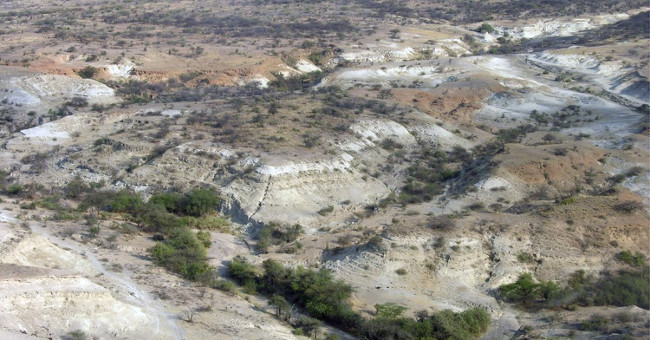
Unexpected discovery in the first homeland of mankind
Scientists discovered traces of paint, commercial transactions and many useful tools from a village located in the first human homeland.
Browse ScienceInfo articles and explainers related to Discovery.
1,278 published items.
Scientists discovered traces of paint, commercial transactions and many useful tools from a village located in the first human homeland.
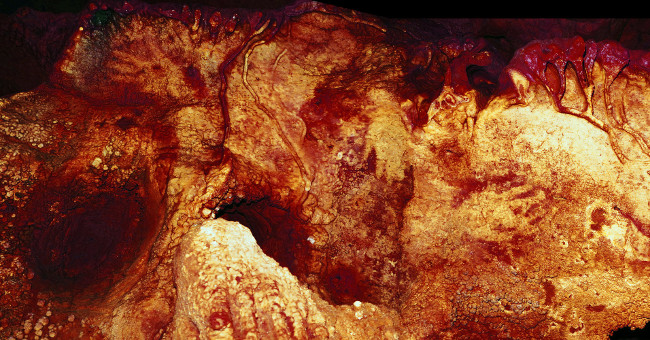
According to AFP news agency, the oldest cave art has been identified by new technologies by Neanderthals.
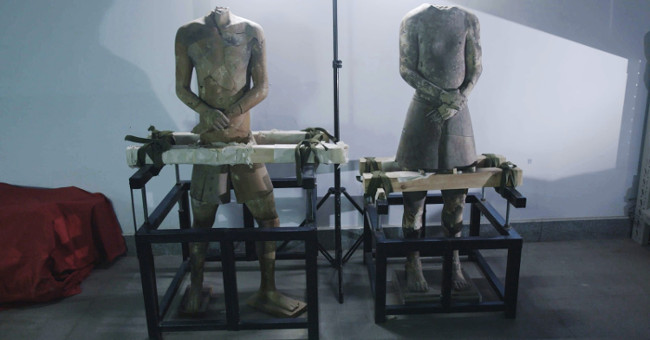
New archaeological findings can change history. This article lists important archaeological findings in 2017 summarized by the Live Science website.
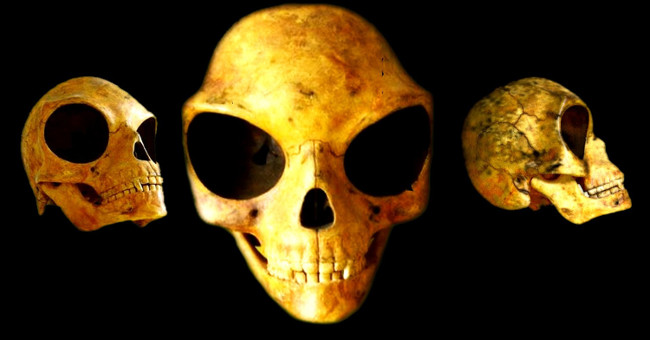
So far, some of the most mysterious archaeological findings in history have yet to find a convincing answer.
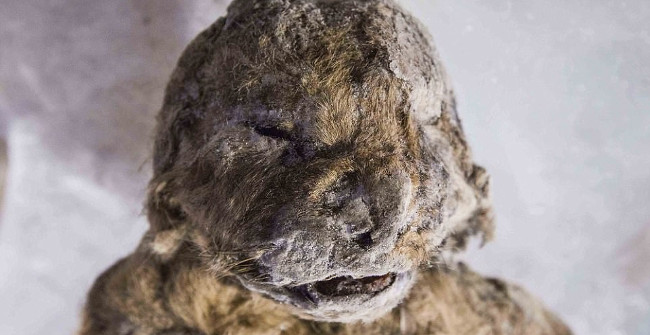
The intact Siberian lion body 55,000 years old died when only one to two days old, according to researchers' new findings.

Until now, the scientific community noted the oldest grape wine traces found in the Zagros area of Iran in the year 5,400 -5,000 BC (about 7,000 years ago).
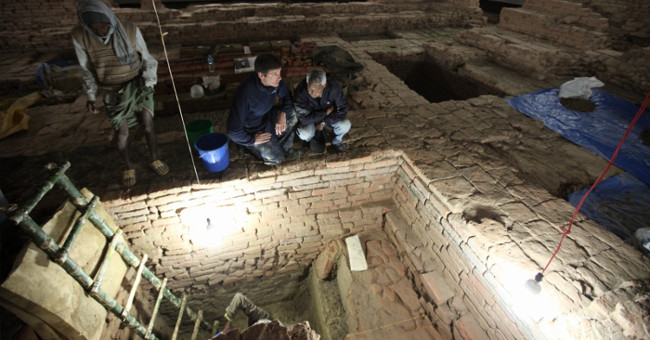
Archaeologists studying in Nepal have discovered evidence of an architecture at the birthplace of the Buddha dating back to the 6th century BC.

The oldest wine in the world may have originated from Italy. The researchers published the discovery after finding traces of 6,000-year-old fermented grapes at the islan…

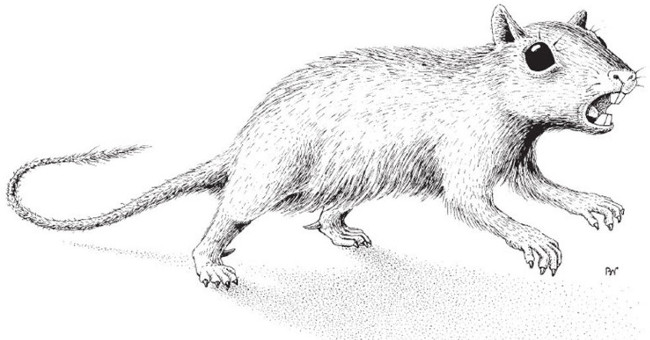
The new species was named Xibalbaonyx oviceps, based on the Mayan Xibalba referring to the afterlife.
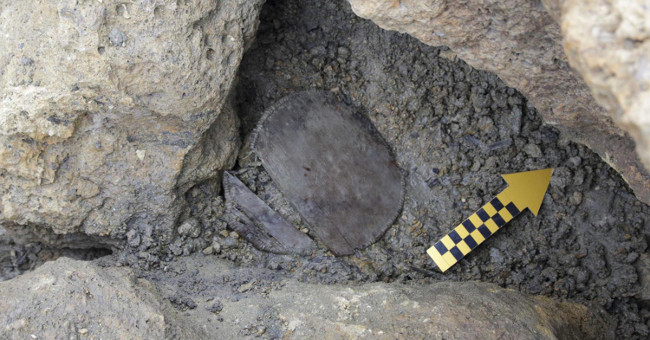
The archaeologists discovered the wooden box when the thick ice on the Lötschenpass at 2,650 meters. Round wooden box made of Swiss pine and willow wooden brace.

The latest research shows that residents living in the Huaca Prieta region in Peru 15,000 years ago have very similar customs and diets.
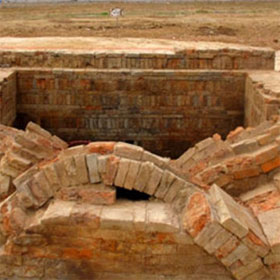
The tomb of Sui De, one of the most famous emperors in Chinese history, was discovered on Sunday, April 14 at a construction site in Yangzhou, Jiangsu Province.

The earliest human presence in North America may be at the end of the ice age. The group hid in caves in Bluefish, quickly expanding throughout the continent and being t…
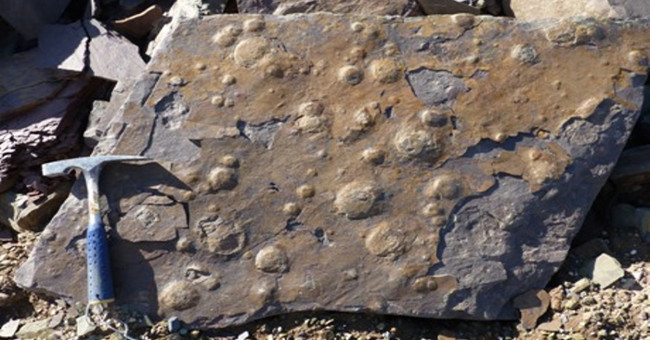
Scientists from the Argentine Geological Research Center (CIG) have found fossils of living organisms that lived 545 million years ago in the city of Olavarría.