Archeology
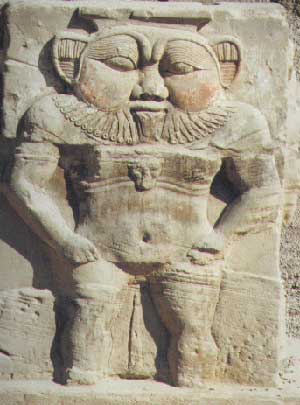
Dwarves are respected in ancient Egypt
Ancient Egyptians respected dwarfs and did not consider them physically impaired. A group of researchers at Georgetown University, USA, explored the biological traces an…
Browse ScienceInfo articles and explainers related to Dwarf.
396 published items.
Ancient Egyptians respected dwarfs and did not consider them physically impaired. A group of researchers at Georgetown University, USA, explored the biological traces an…
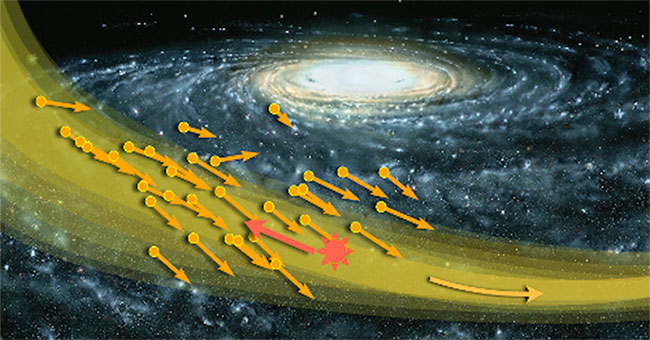
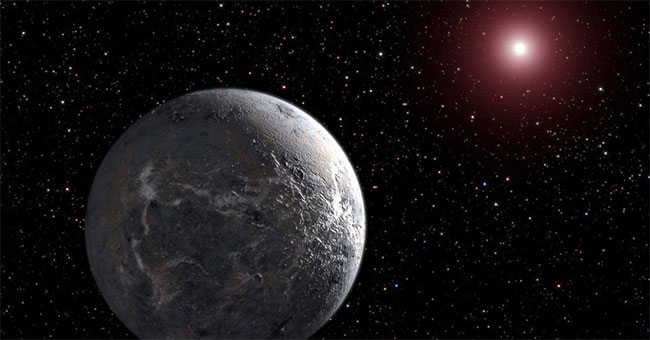
Scientists found that a super-Earth rotating around a red dwarf Barnard is only 6 light-years away from the solar system.
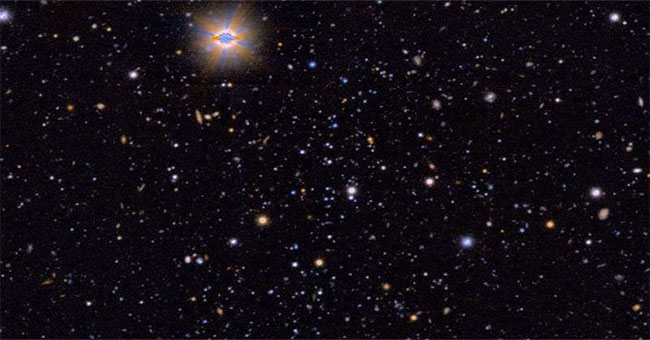
A series of dwarf galaxies and new dwarfs are considered to be the Milky Way's neighbor, scientists have found.
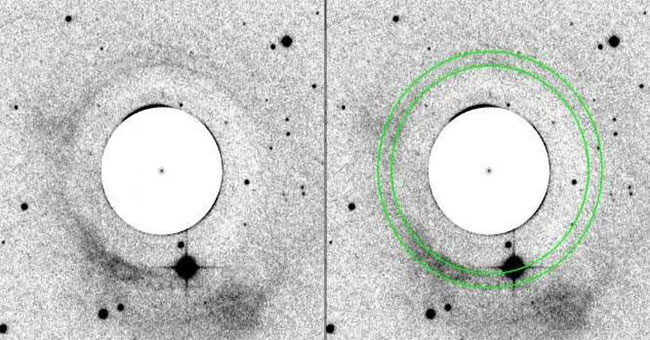
Using ESO's Very Large telescope, international astronomers detect ionizing halo around planetary nebula IC 5148.

Dozens of ancient ice volcanoes once scattered on the surface of the dwarf planet Ceres, estimating the amount of ice material emitted from these volcanoes in amounts of…

Observers have not seen the Ninth Planet directly. However, the Goblin dwarf planet seems to be influenced by the gravity of the unidentified giant.
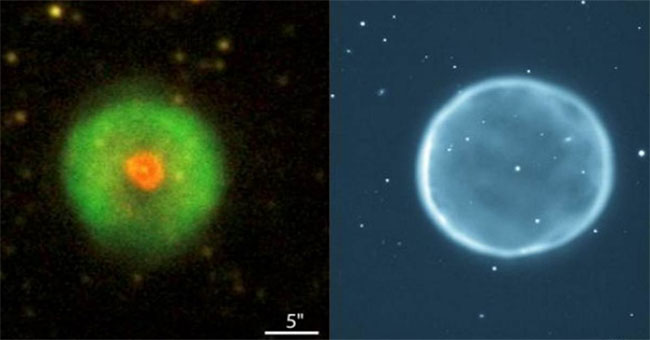
The team of astronomers at the Institute of Astrophysics in Andalucia (Spain) led by Martin Guerrero discovered a nebula
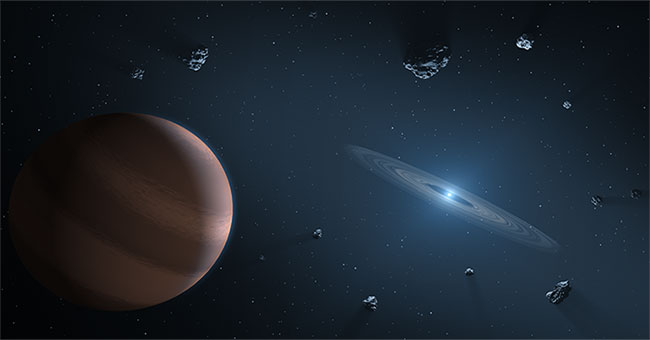
The new discovery provides more insights into the formation of planets and gives people more opportunities to find Earth-like worlds.
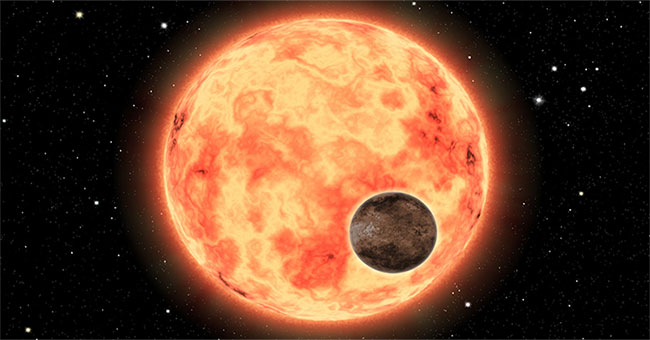
The team of scientists from the University of Florida (USA) has just published the research results on the Monthly Report section of the Royal Astronomical Society of En…

Ross 128b, the planet belongs to another solar system in the constellation Virgo, is capable of surviving better than the earth. One year on this planet is only 9.9 days.
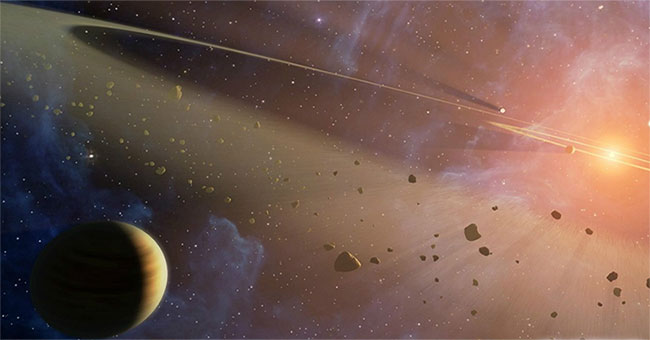
The research team at the University of Hawaii and the University of Arizona (USA) was stunned to observe a new planet named 2MASS 0249 c orbiting a pair of red dwarfs.
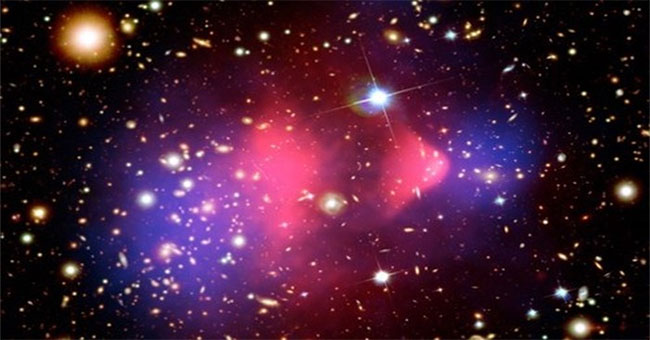
Using one of the fastest supercomputers in the world, scientists have simulated the mysterious distribution of matter in galaxies.
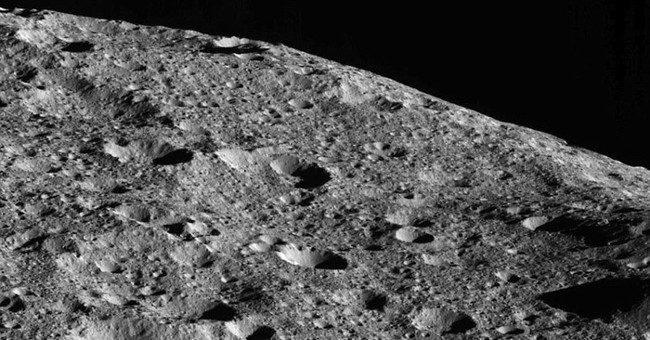
Dawn is a robot spacecraft launched by NASA to explore the two largest dwarf planets in the asteroid belt, Vesta and Ceres.

The planets were discovered by NASA's Kepler spacecraft, by tracking the obscured light of the host star as the planet passes through the star's bright region.