New technology
Bee pollinator for flowers
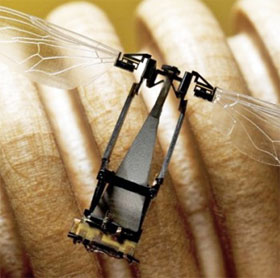
Researchers at Harvard University in the United States have developed tiny bean-sized drones to pollination the flowers, as the number of bees decreases.
Browse ScienceInfo articles and explainers related to EES.
1,278 published items.
Researchers at Harvard University in the United States have developed tiny bean-sized drones to pollination the flowers, as the number of bees decreases.
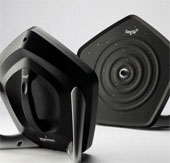
The product is the result of a collaboration between SM Instrument Company and Professor Suk-Hyung Bae from the Korea High Science and Technology Institute.
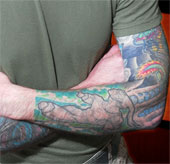
A number of scientists from the US Department of Defense's Advanced Research Projects Administration (DARPA) have proposed the idea of creating a special type of tat…

Experts at the University of Cambridge are looking at the risks that could affect the future of humankind behind the emergence of super-smart technologies.

The University and the Wageningen Research Center (NL) have developed a technology that allows the conversion of wetlands (which account for about 6% of the Earth's…

An oil-like fuel made from artificial leaf technology promises to be one of the main sources of fuel, British experts have said. Instead of producing organic matter from…
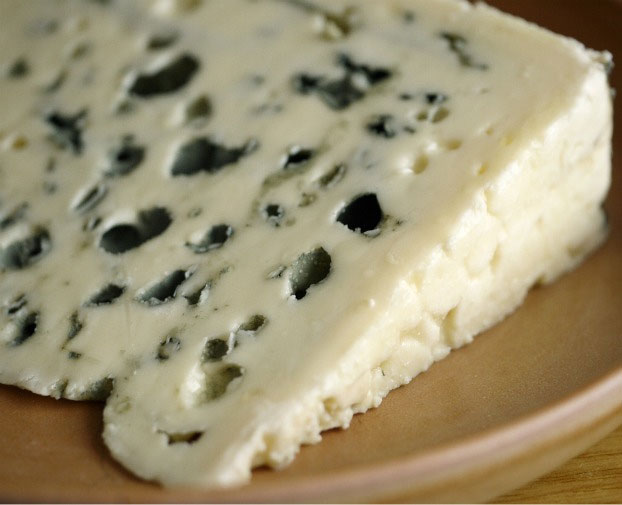
The Swiss Institute of Technology has developed a green cheese-based food film, with food preservatives and self-cleaning products that can be reused several times.

Scientists working at the University of Gothenburg, Sweden say they have developed a tool that can accurately determine the amount of solar energy coming down: a specifi…
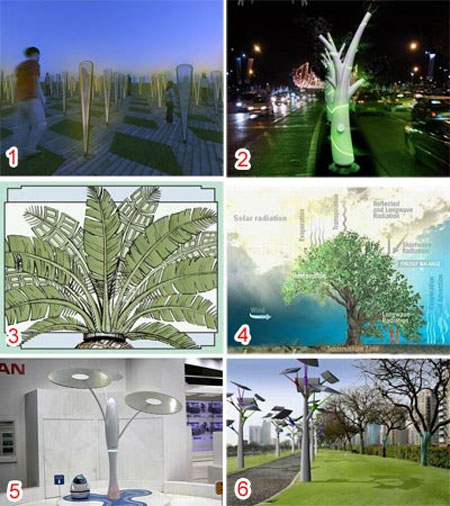
American professor of geology and physics Klaus Lackner has a bold idea to create synthetic plants that mimic natural trees and absorb CO2 in the air through a filtratio…

Russian designers have created a super-unique 'super' cross-over tank, capable of working in extremely harsh conditions of minus 60 degrees Celsius.

The appearance of cities will change spectacularly when the glowing trees replace the lampposts on the streets.

Taking advantage of the bee's perceptive sense of smell, the US company InsaCal designed the VASOR detector for use in security, health, construction, food ...

Scientists at the University of Tsukuba in Japan have developed a type of knee that can be inserted into the leg to help run faster and use less muscle power.

A new chip, which can replace several laboratories that specialize in blood tests, confirms the disease has emerged, diagnosing the underlying disease for early treatmen…
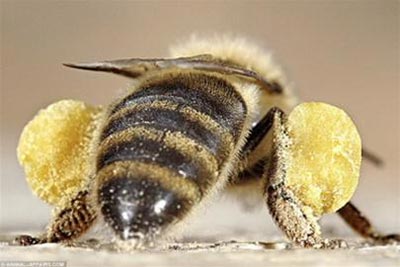
German scientists are testing a bee chip to find out why there is a big decline