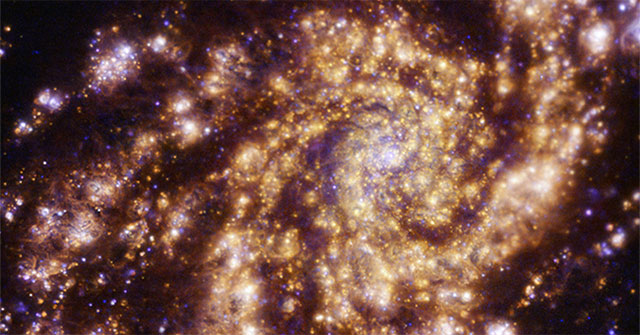
Space science
Traveling through time 55 million years, a world similar to ours has materialized.
The European Southern Observatory (ESO) has just released spectacular images of a mirror world within the Milky Way galaxy, which contains Earth.
Browse ScienceInfo articles and explainers related to ESO.
62 published items.
The European Southern Observatory (ESO) has just released spectacular images of a mirror world within the Milky Way galaxy, which contains Earth.
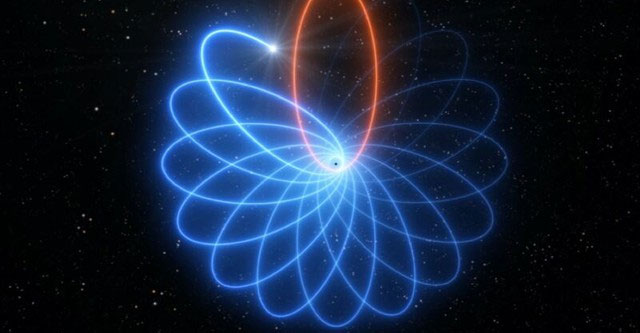
Albert Einstein's general theory of relativity continues to prove its worth, 108 years after it was officially published.
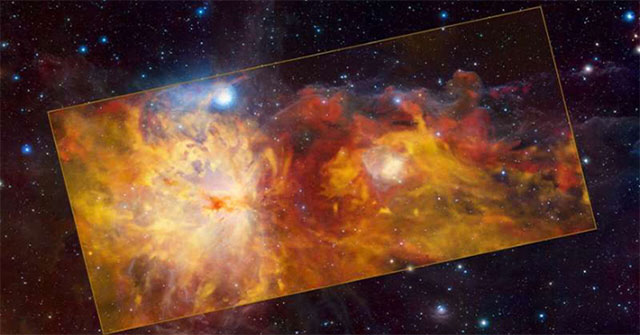
The European Southern Observatory (ESO) has released a stunning update of the nebula NGC 2024 in the constellation Orion.
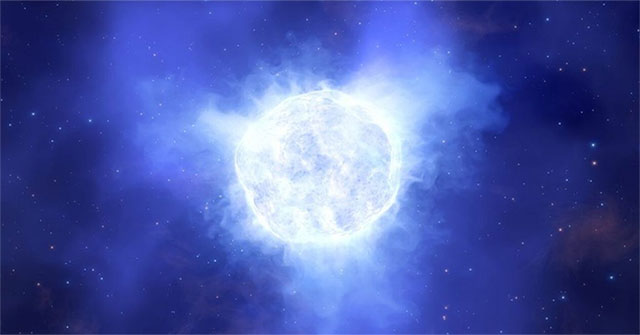
Scientists are amazed at why, how a star 2.5 million times brighter than the Sun suddenly mysteriously disappears.
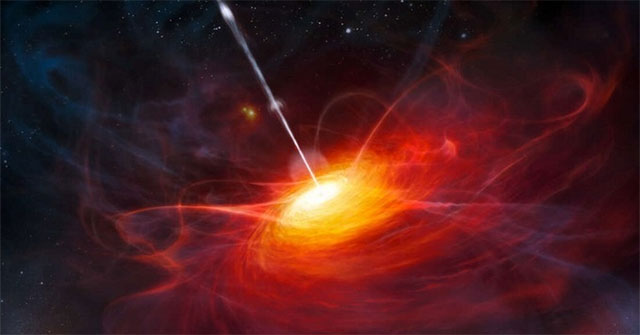
At present masses, fast-growing black holes can only detect a star the size of the Sun every day, according to researchers' calculations.
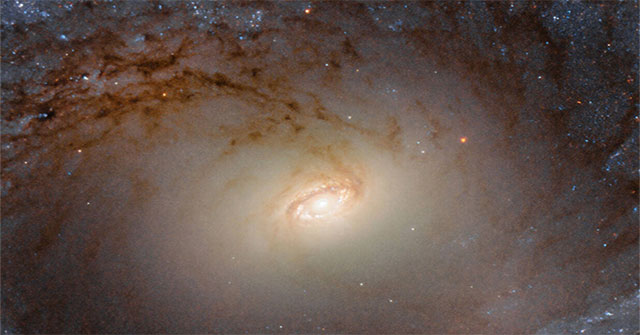
NASA released the latest image of the IC 2051 spiral galaxy in the constellation Son Son taken with the Hubble space telescope.
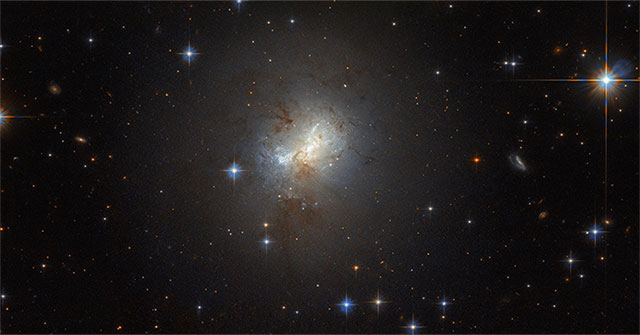
Hubble Space Telescope has just captured a strange object near the Roman constellation: a tiny galaxy that is extremely powerful and possesses a monster black hole.
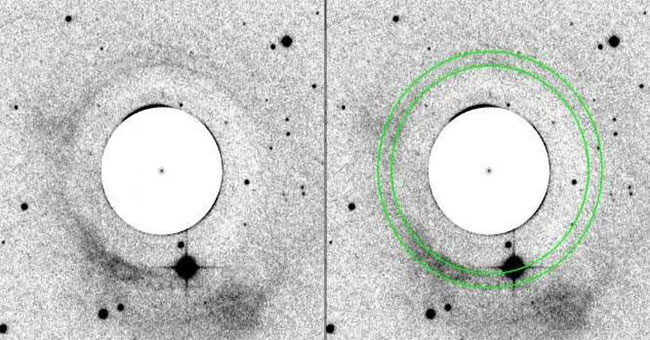
Using ESO's Very Large telescope, international astronomers detect ionizing halo around planetary nebula IC 5148.
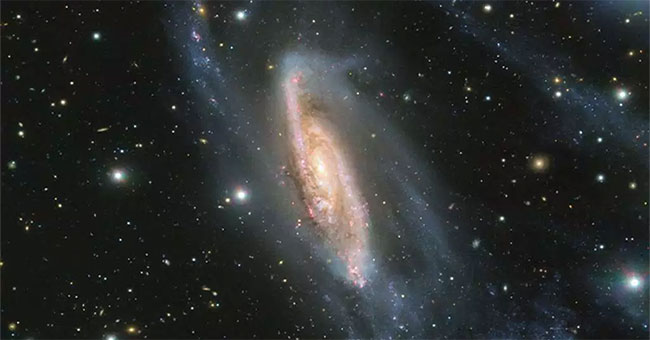
The telescope in Chile captures the image of galaxy NGC 3981 glowing with stars scattered around.
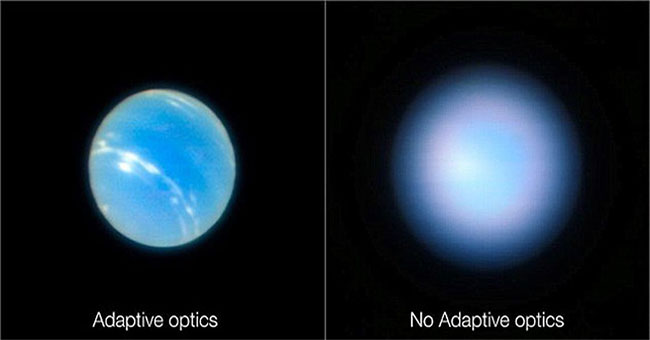
The Very Large Telescope (VLT) of the Southern European Observatory (ESO) has received the first light rays after activating the new adaptive optical mode.
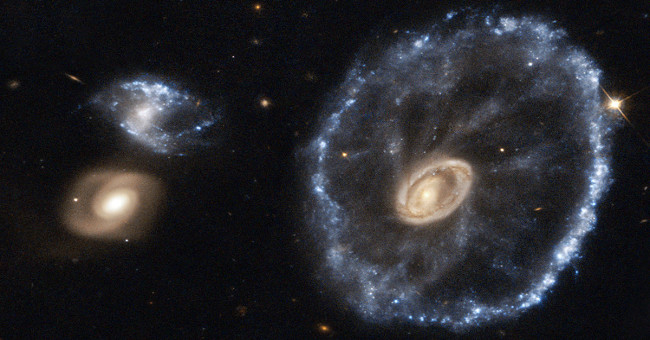
NASA has just released a spectacular, spectacular image of the Cartwheel Galaxy (nicknamed the horse wheel galaxy) in the constellation of Sculptor ... that everyone enj…
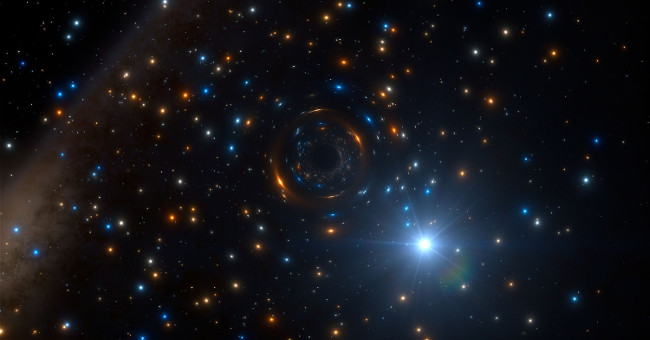
Astronomers use ESO's MUSE device on the Very Large Telescope in Chile to discover a strange star in NGC 3201 cluster.
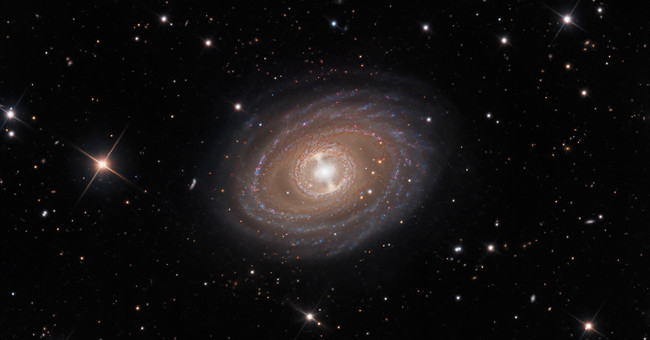
The most impressive and complete moment of the galaxy NGC 1398 has been captured by the satellite device.
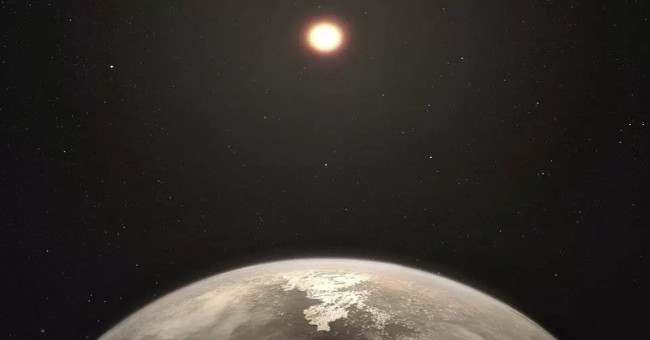
The Southern European Observatory (ESO) said on November 15 that it has discovered an exoplanet planet that has conditions for human survival.
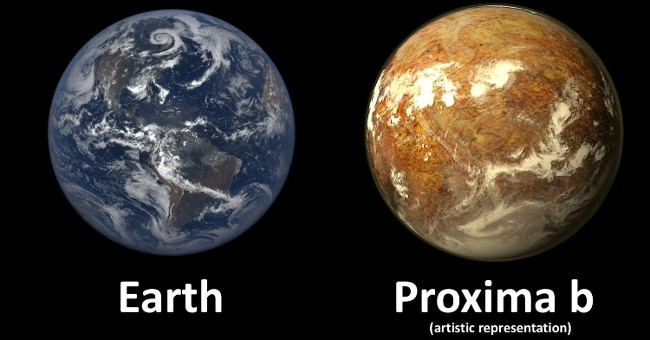
In August 2016, the European Space Research Organization in the Southern Hemisphere (ESO) announced a planet likened to Earth's twin brothers: Proxima Centauri b.