Space science
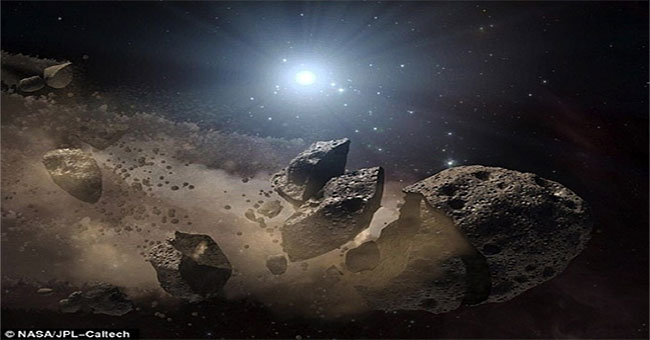
Start conquering meteorites
The motivation for scientists and entrepreneurs to understand meteors comes mainly from human survival instincts.
Browse ScienceInfo articles and explainers related to Earth.
6,625 published items.
The motivation for scientists and entrepreneurs to understand meteors comes mainly from human survival instincts.
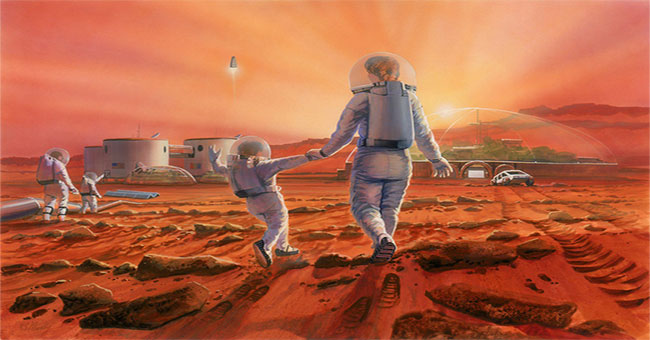
Elon Musk really wants us to get out of the Earth and explore the universe, even if no aliens are waiting to welcome humanity.
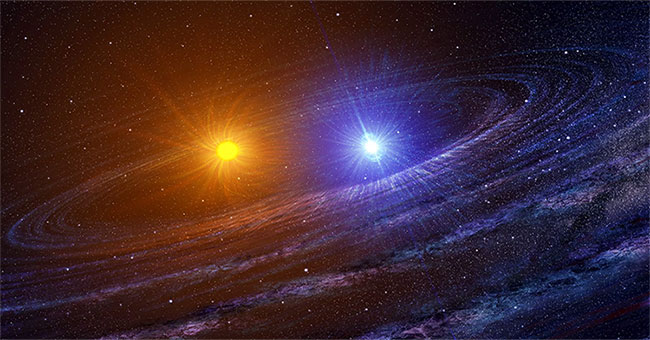
In the 1980s, physicist Richard Muller at the University of California, Berkeley presented the idea of a twin star with our Sun.
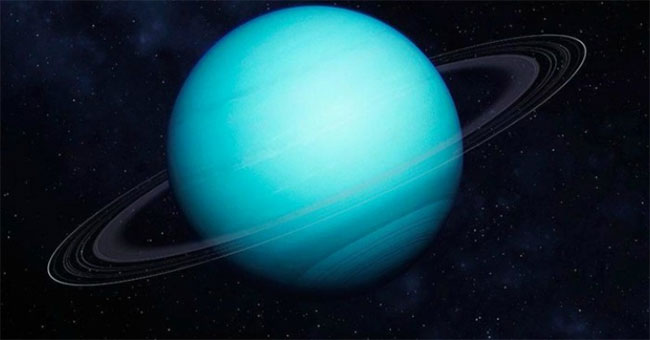
All planets in the solar system are inclined to the same side, except for Uranus. The north-south axis of the blue-green planet is 98 degrees above the Sun's orbit.
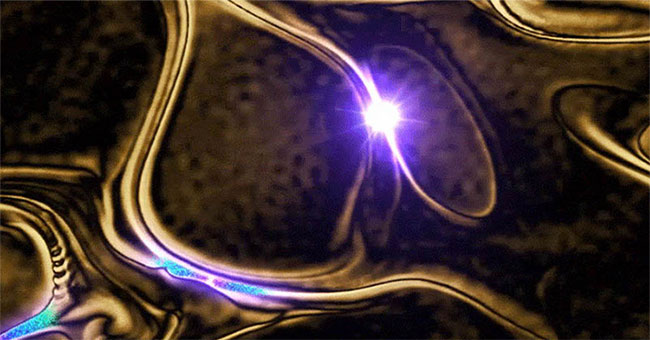
NASA's Multospale spacecraft (MMS) detects unusual magnetic activity in the atmosphere near the Earth.
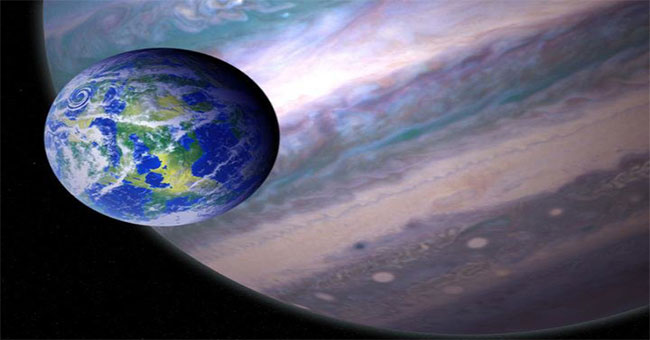
Kane's group has identified 121 giant planets whose orbits are within the habitable zone of their stars.
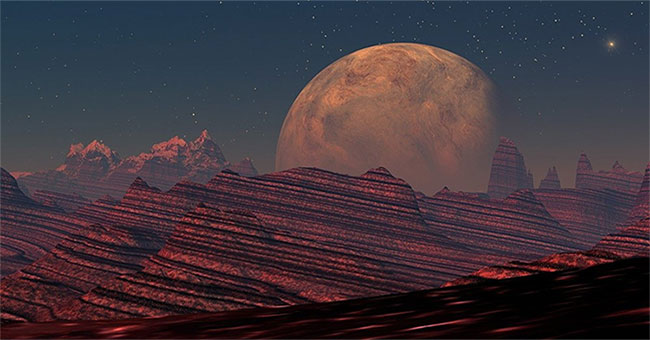
According to NASA's disclosure, Earth residents will just need to look up to the sky to witness a rare encounter when Earth is closest to Mars in the last 15 years.
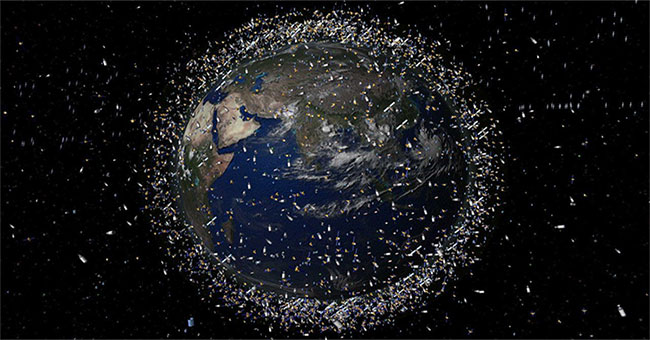
Artificial technology clouds in the universe, similar to the network of telecommunications satellites that surround the Earth, are most likely the hallmarks of extraterr…
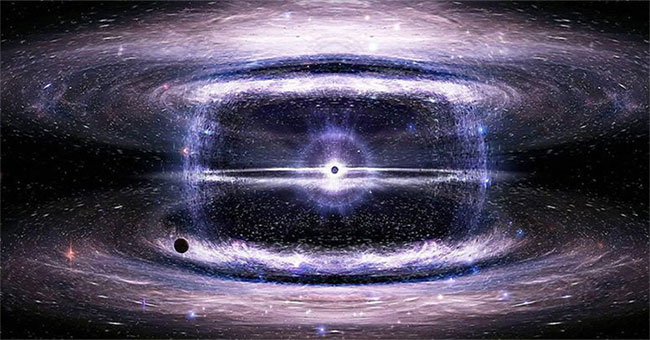
We are no stranger to GPS and Google Map, tools that tell us where we are on the surface of the Earth, at coordinates. And coordinates are shown by latitude and longitud…
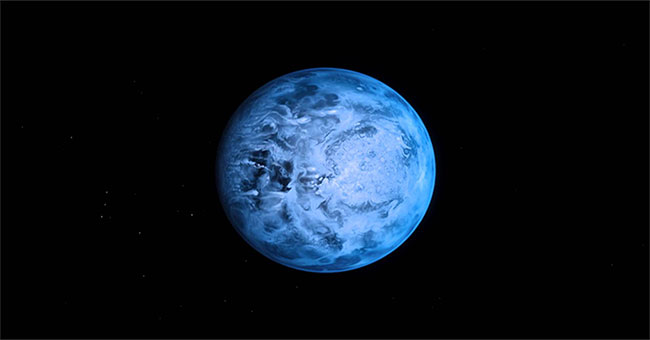
Glass rain, super typhoon or dizzying temperature change are three of the special phenomena that occur on outer planets.

On July 31, Mars will approach the closest point in its orbit with the Earth at that time, Mars will look bigger and brighter in the sky, very visible to the naked eye.
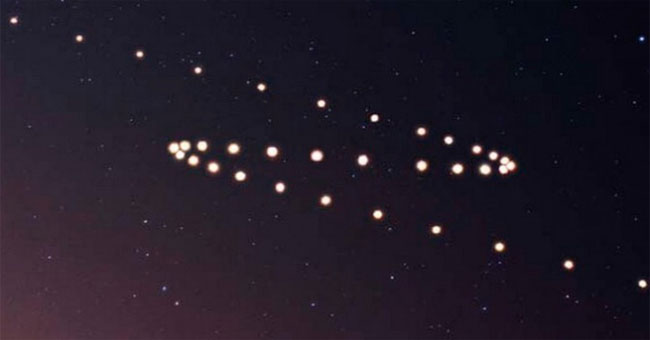
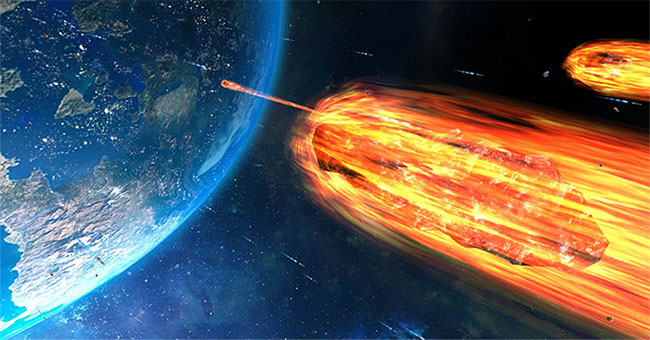
Within the next decade, the US Space and Aeronautics Agency intends to design and test a variety of options to destroy or divert a meteorite as it plunges towards the gl…
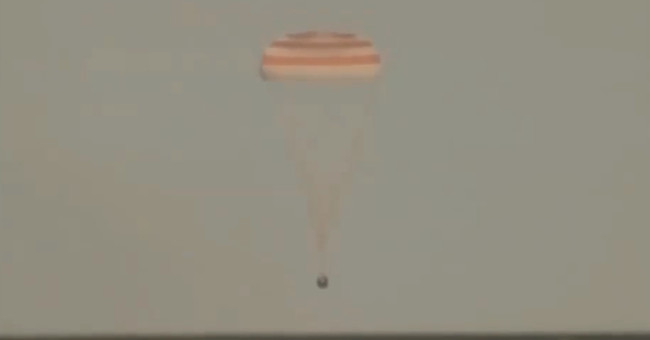
The Soyuz spacecraft sent astronauts from the International Space Station (ISS) to land on the prairies in Kazakhstan on June 3, Fox News reported.
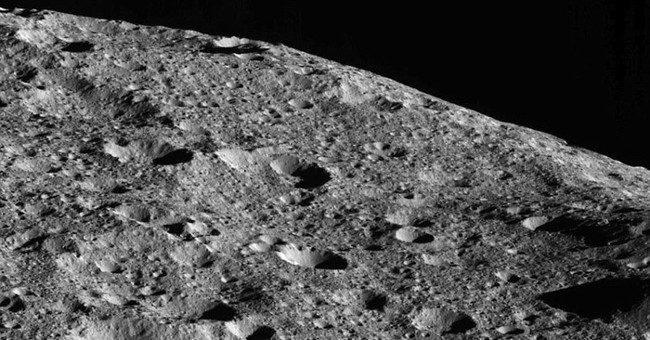
Dawn is a robot spacecraft launched by NASA to explore the two largest dwarf planets in the asteroid belt, Vesta and Ceres.