Space science
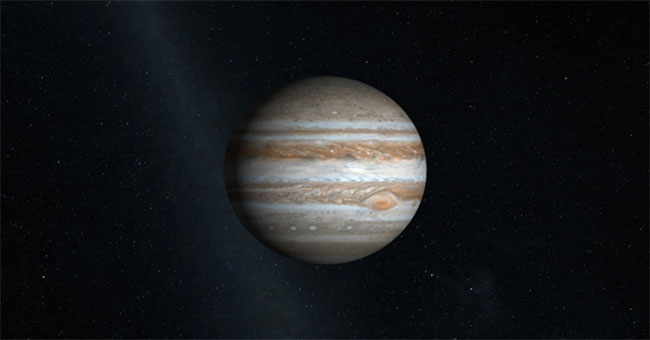
What happens if Jupiter doesn't exist?
Many scientists believe that the Earth was formed and protected from some Jupiter collisions.
Browse ScienceInfo articles and explainers related to Earth.
6,625 published items.
Many scientists believe that the Earth was formed and protected from some Jupiter collisions.
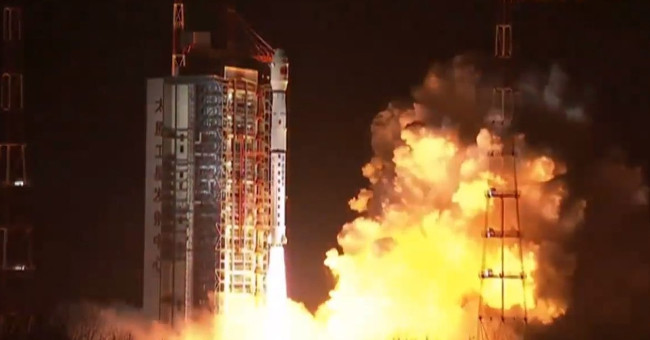
On the morning of May 21, China launched the O Thuoc Bridge communication satellite to orbit, to connect the communication between the ground control station and Hang Ng…
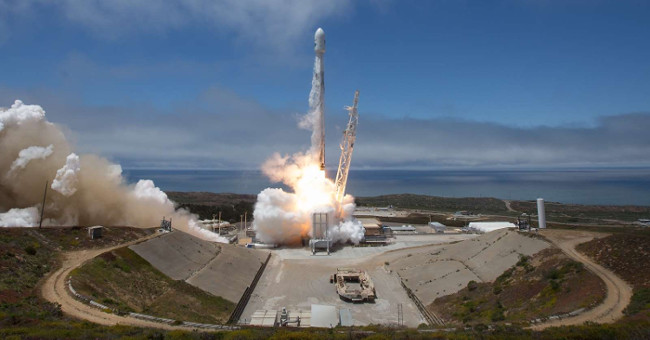
Pair of US and German satellites manufactured by Falcon 9 rocket to orbit from Vandenberg Air Force Base in California at 2:47 am May 23 (Vietnam time).
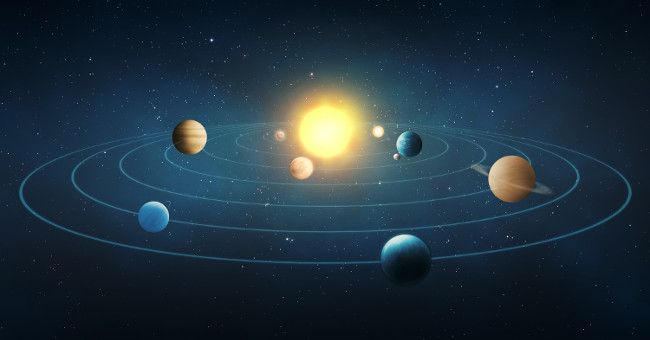
Scientists have confirmed a long-held hypothesis, the Earth's trajectory distorted by the gravity of Jupiter and Venus according to the 405,000-year cycle.
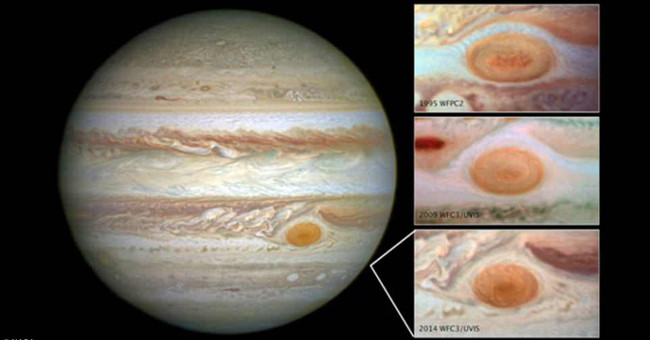
Images of Jupiter - the solar system's largest planet - always show beautiful lines and a prominent red spot.

In 1798, physicist Henry Cavendish (United Kingdom) became the first person in the world to calculate the exact mass of Earth.
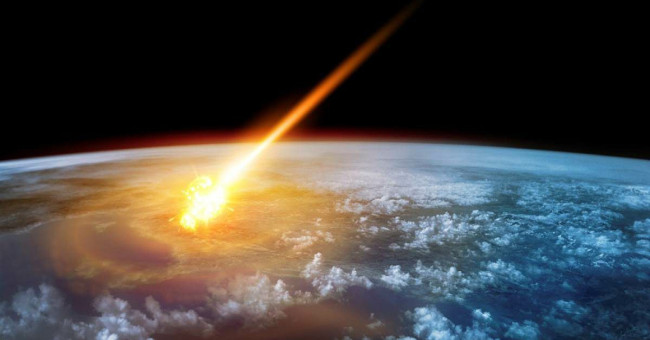
Daniel Bamberger, Northolt Branch Observatory, London, England, said the 2010 WC9 asteroid was discovered in November 2010 but did not see it since December 2010.
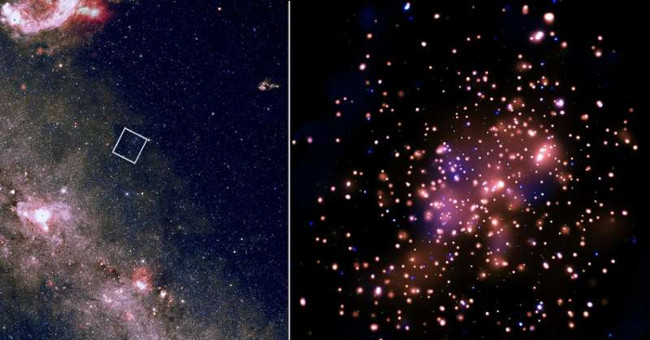
NGC 6231, located about 5,200 light years from Earth, is an ideal test to study a cluster of young stars, at a critical stage in its evolution.
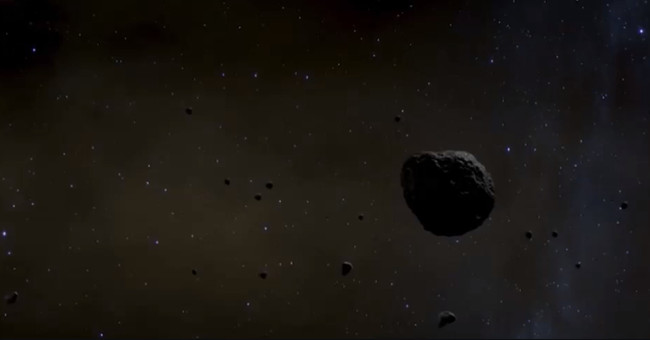
Scientists cannot track the trajectories of hundreds of asteroids after the first discovery.
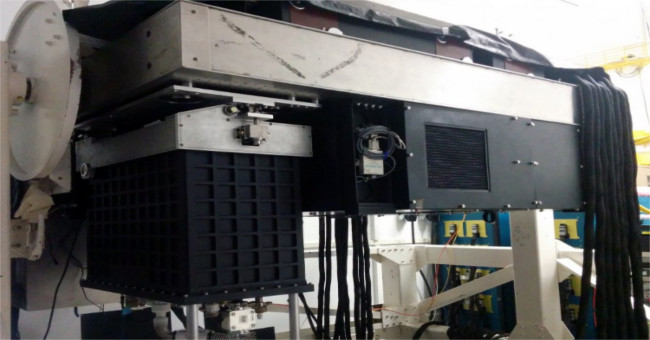
Usually Earth-like exoplanets are quite close to the host star and their photography is extremely difficult because the host star is several times brighter than these pl…
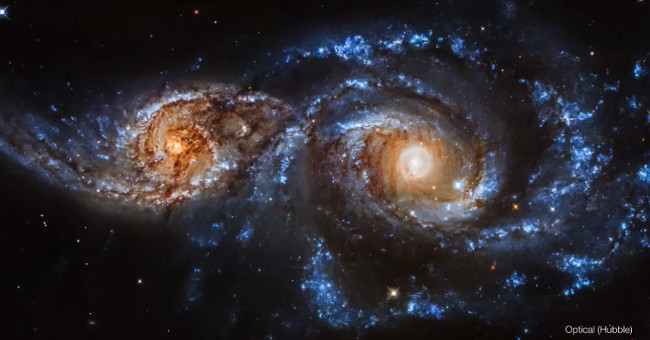
Scientists recorded the collision between two spiral galaxies NGC 2207 and IC 2163, UPI on April 23 reported.
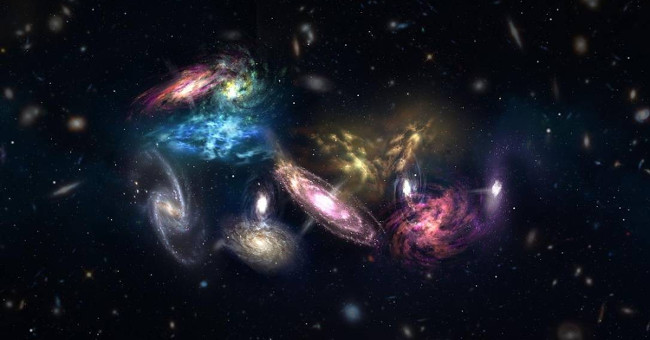
Astronomers recorded images of 14 galaxies merging with a series of newly born stars.
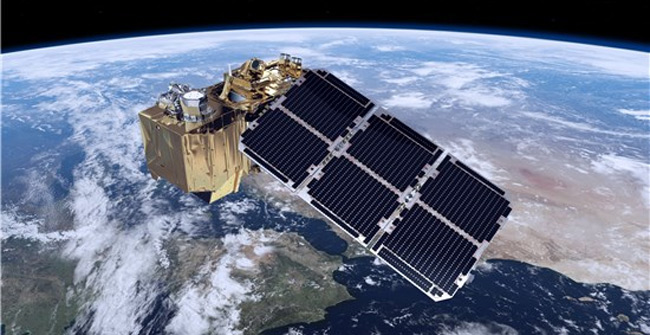
Europe has just launched into the satellite orbit of the 7th Sentinel Earth as part of the billernicus project worth billions of euro.
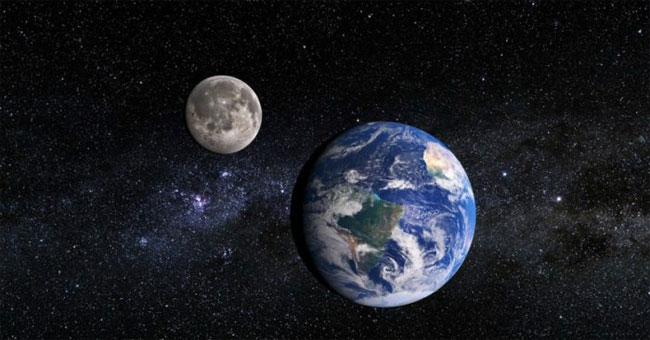
The Moon will shatter before falling to Earth, leaving hundreds of thousands of meteorites pouring down on the planet and tsunami thousands of meters high.
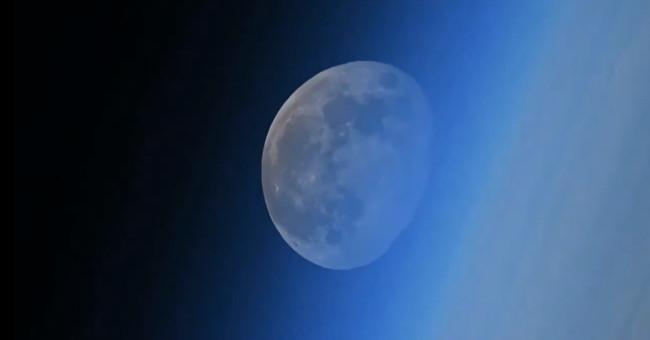
Russian astronaut Oleg Artemyev recorded the scene of the Moon setting during his work on the International Space Station (ISS).