
Space science
Russia seeks to compete with Elon Musk's reusable missiles
Sputnik informed, the units of the Russian Federal Space Agency Roskosmos are seeking to change their boosters after seeing SpaceX gaining more and more market share.
Browse ScienceInfo articles and explainers related to Earth.
6,625 published items.
Sputnik informed, the units of the Russian Federal Space Agency Roskosmos are seeking to change their boosters after seeing SpaceX gaining more and more market share.
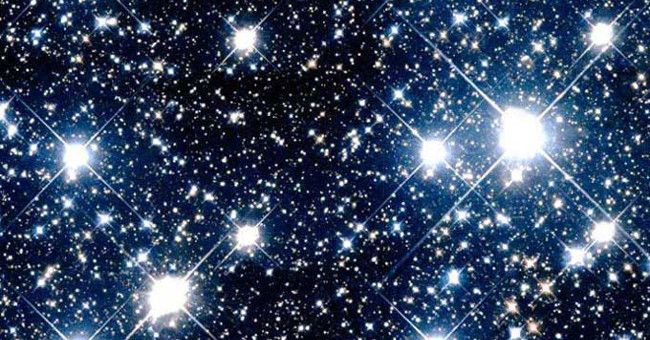
What causes the stars to sparkle? Is the light from the planets?
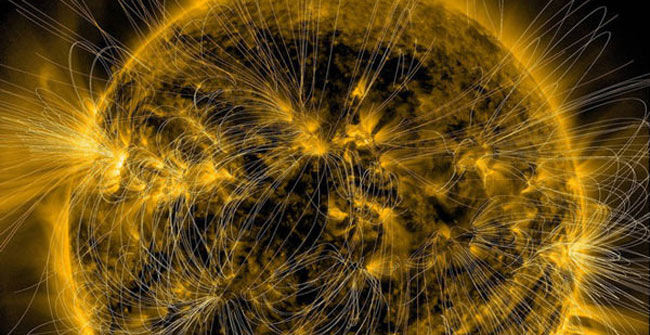
But don't blame the Sun if you're sick recently!
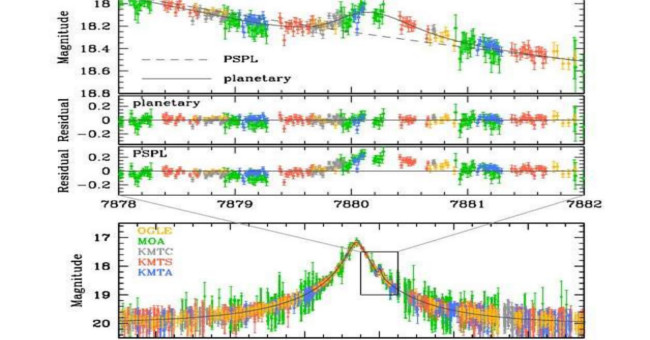
A group of international astronomers discovered one
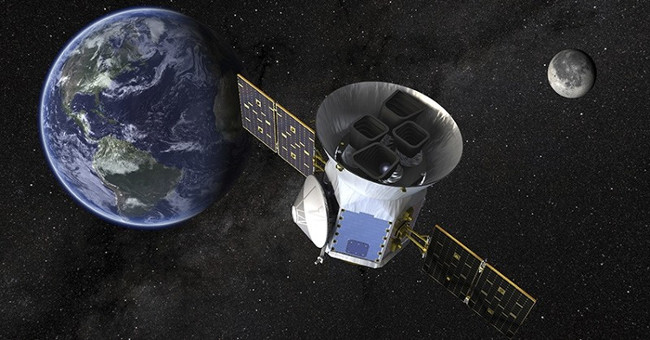
NASA is ready to launch a dishwasher-sized spacecraft worth $ 337 million with the aim of expanding exploration of planets outside the solar system.
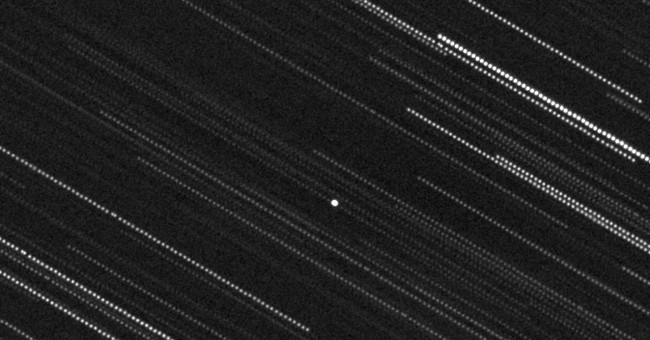
The 2018 GE3 asteroid approached Earth just less than a day after it was discovered.
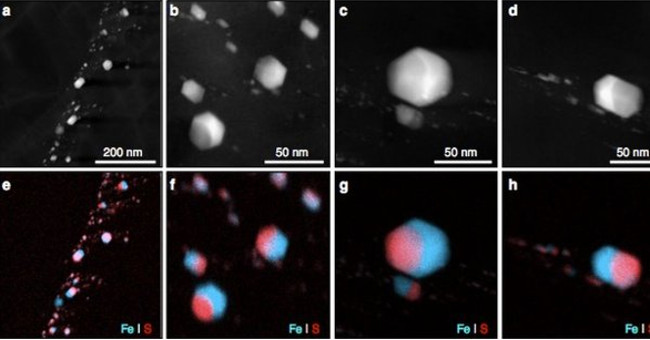
Scientists in Switzerland, France and Germany, studied the number of diamonds in the Almahata Sitta meteorite debris crashed into the Nubian desert, Sudan, October 2008.
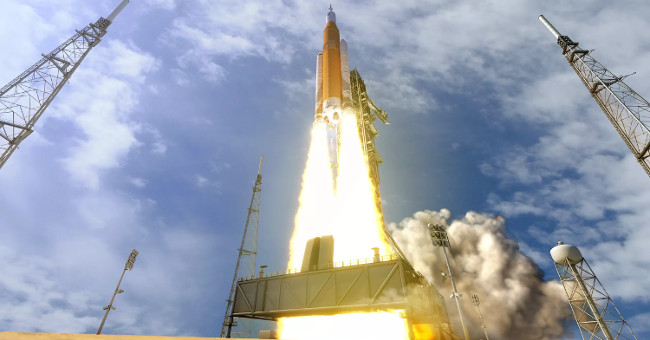
The launch was done with SpaceX Falcon 9 boosters from Cape Canaveral, Florida at 18:51 local time (5:51 on April 19, Hanoi time).
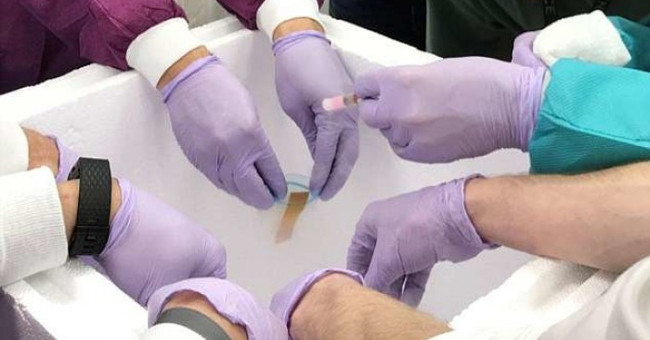
The US Aerospace Agency (NASA) first sent sperm to the International Space Station (ISS) to study whether humans can conceive in a zero gravity environment.
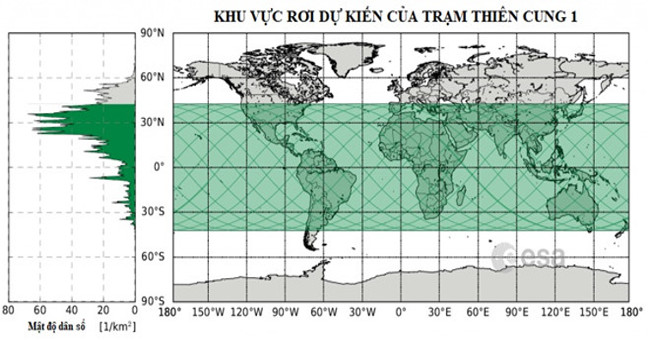
In the announcement on the night of March 31, European Space Agency ESA predicted Thien Cung 1 space station will fly into the Earth's atmosphere around 6:00 am on April…
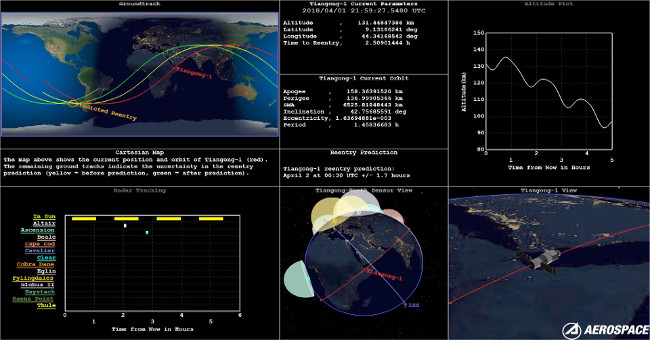
At 7:30 on April 2 (Vietnam time), the Chinese space station falls at a speed of about 26,000 km / hour and enters the atmosphere at an unspecified coordinates.
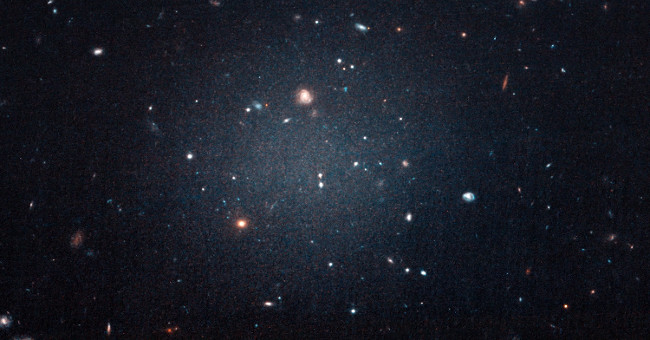
This galaxy is called NGC1052-DF2, 65 million light years from our earth.
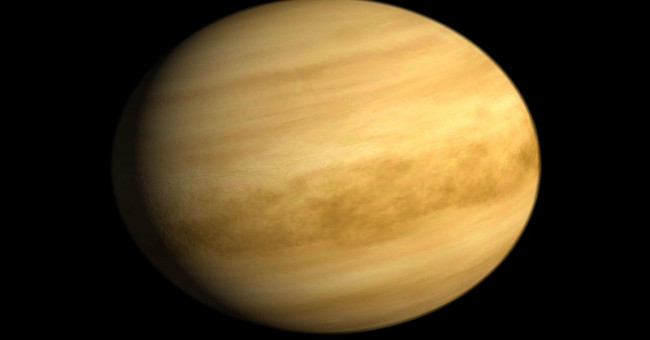
A new study shows that clouds on Venus are capable of containing alien microorganisms, Newsweek reported on April 2.
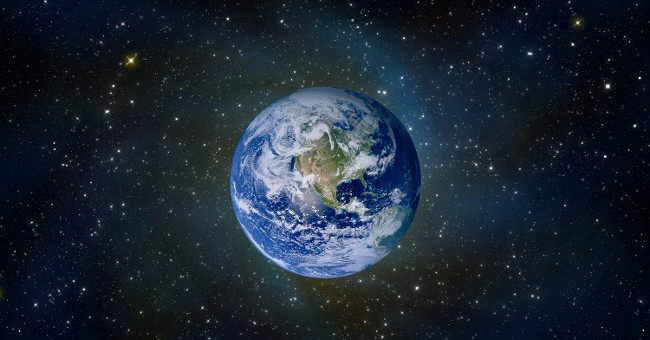
The majority of celestial bodies orbit the Sun, and the mass focuses primarily on eight planets with nearly circular orbits and closely spaced orbiting planes known as t…
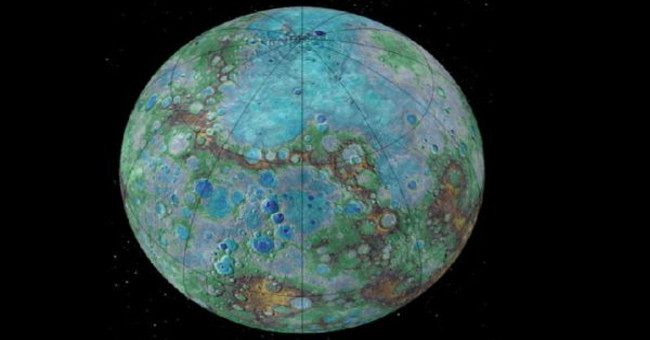
The mysterious planet was discovered by a group of global astronomers including the University of Warwick.