
Animal world
How to live in the coldest place on Earth
In order to survive in Antarctica, species must have evolved to change their biochemical and shape properties.
Browse ScienceInfo articles and explainers related to Earth.
6,634 published items.
In order to survive in Antarctica, species must have evolved to change their biochemical and shape properties.

Science has long known that some species have the ability to orient themselves by sensing the Earth's magnetic field. The question is why do they work and humans need co…
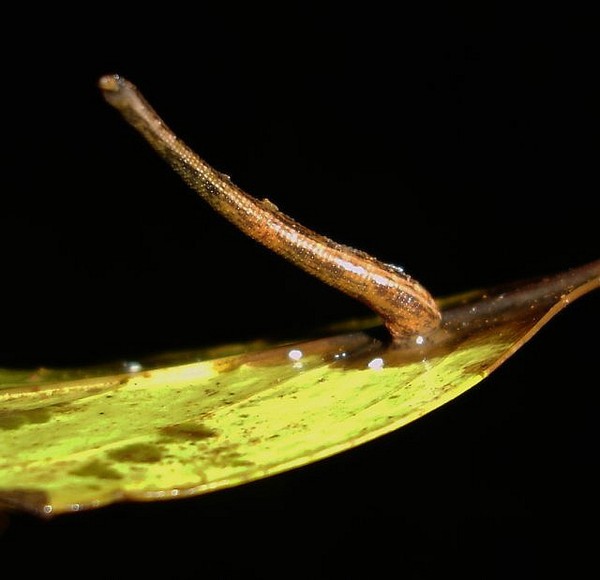
Antelopes can change their hair color, grizzly bears discover natural disasters 28km away ... are super abilities of these animals.
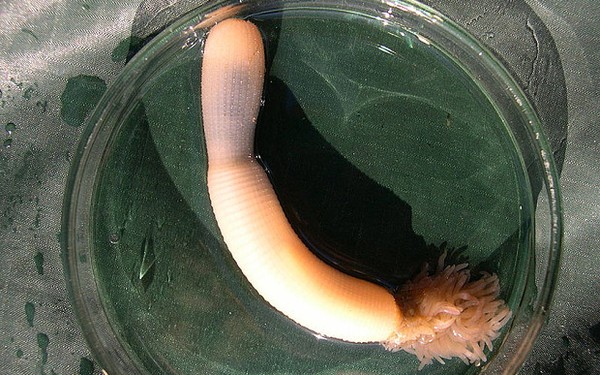
Experts discovered that the penis worm has been traveling on Earth with its special teeth 500 million years ago.
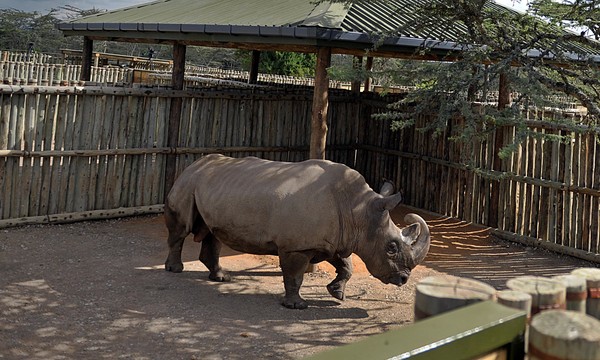
Find out the past of the only male male white rhino left on Earth
BBC Earth Unplugged filmmakers have made a slow-motion video depicting the impressive chameleon hunting scene.
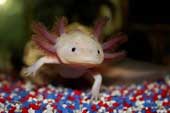
One thing needs to be affirmed that, this Earth itself - our common home still exists an abundance of mysterious things that people have never known, typically species o…
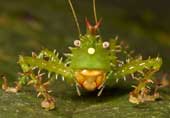
Scientists increasingly have new scientific and discovery information about the natural world, in which there is the strange existence of the most unique animals with bi…
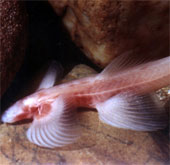
During the growth process, the fish's skull is gradually distorted until the eyes lie on one side. The special structure allows them to camouflage to catch prey.

Curly haired pig, spider-tailed snake, gerbil ... are animals
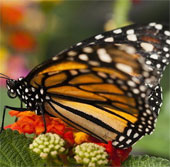
In the past 40 years, the population of Earth's species has halved, an alarming number and much more serious than previous reports.
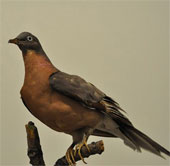
Few people know that the earth once existed as a dove living into a giant herd, in numbers up to billions of children.

At a depth of hundreds of meters, on the crater, sulfur lake or in hot water lakes, there are still many strange fish species in the world.
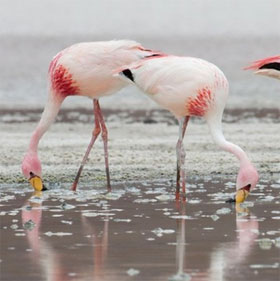
Many animals have strange behavior such as collective suicide, or always head towards the north pole when eating.
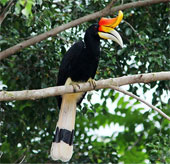
The Hornbill, also known as the phoenix, has the scientific name Buceros bicornis, one of the great hornbills.