
Environment
Can predict the phenomenon of El Nino earlier
According to the Natural Geological Science magazine on February 21, weather experts were able to predict the El Nino phenomenon before 14 months, much earlier than just…
Browse ScienceInfo articles and explainers related to El Nino.
103 published items.
According to the Natural Geological Science magazine on February 21, weather experts were able to predict the El Nino phenomenon before 14 months, much earlier than just…

The United Nations Meteorological Organization (WMO) said the El Nino phenomenon that occurred in the tropical region of the Pacific could last until May 2010.

Venezuelan President Hugo Chavez announced that Cuban scientists will create rain to help the country get out of drought.
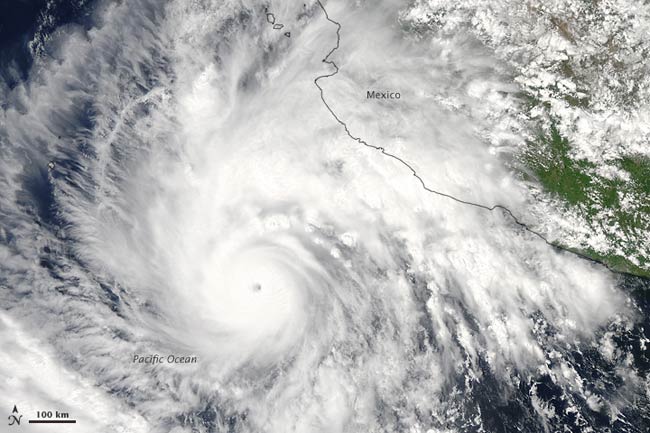
News about storms attacking the coast of Florida, Louisiana and many other southeastern states of the United States often appear on news items during the past summer ...
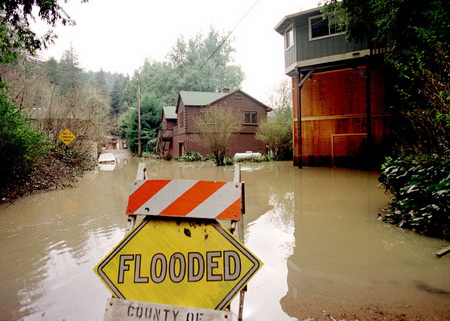
According to the Ministry of Natural Resources and Environment, due to the impact of El Nino, this year Vietnam will have a relatively warm winter, accompanied by a drou…
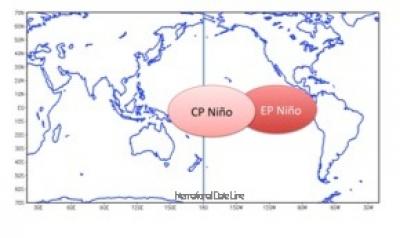
The recirculation of the El Nino phenomenon in the eastern Pacific is seen as a shield to protect the US and the Caribbean from terrible storms that may be weakened by g…
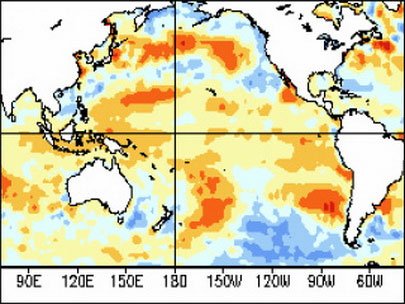
Strategic forecasting organization Stratfor identifies the warmer Pacific surface temperatures, indicating the return of El Nino weather.
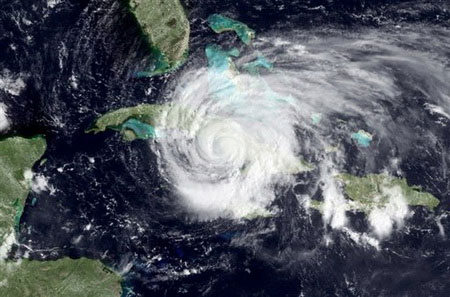
This summer is hot and winter may not have snow, this is the statement given by US meteorologists on August 4 when alerting the El Nino weather phenomenon is returning.

Meteorological experts say global temperatures will rise faster than expected in the next 10 years due to climate change.
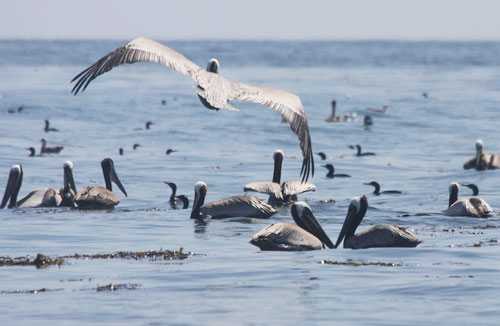
It took 18 years to study the number of birds living on the Great Barrier reef, scientists have discovered a predictable law of El Nino.
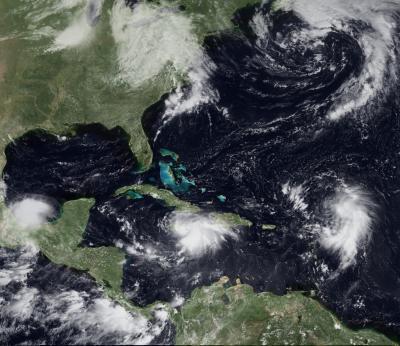
Normally, in the years of the El Niño phenomenon, there are fewer storms on the Atlantic than usual. However, a new study suggests that El Niño can morph into form and c…
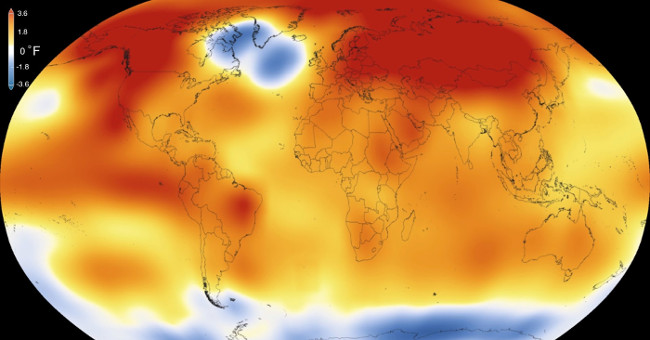
The US Agency for Aeronautics and Space (NASA) recently said 2015 was the hottest year ever recorded, since 1880.
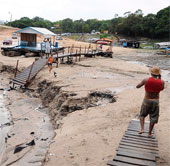
The new technology will help to provide an earlier time estimate (about 12 months before the El Niño phenomenon) with a relatively high accuracy rate.