
Oceanography
The first shark in history to know ... vegetarian but still healthy
Science has recently confirmed that one of the most classic predatory sharks in the world is actually omnivorous.
Browse ScienceInfo articles and explainers related to Enzyme.
226 published items.
Science has recently confirmed that one of the most classic predatory sharks in the world is actually omnivorous.

Not just a stray individual like the vegetarian shark Lenny in the cartoon
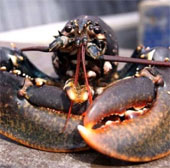
Scientists believe that in a lobster's body contains a chemical that helps them live for a long time, and this may be an element of access to eternal life.
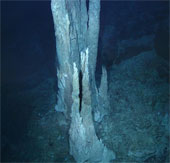
Hydrothermal vents and the first chemical reactions on the ocean floor are the cause of the first life on Earth.
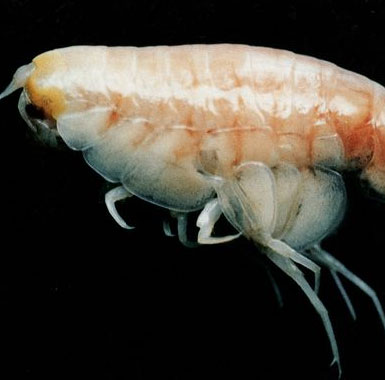
Because a species of shrimp lives in a place where there is almost no food, it gives them enzymes capable of digesting wood so they can eat wrecks.

Scientists working at the Applied Molecular Evolution Fund based in Gainesville, Florida (USA) have tracked the evolution of the enzyme molecule of people with the funct…
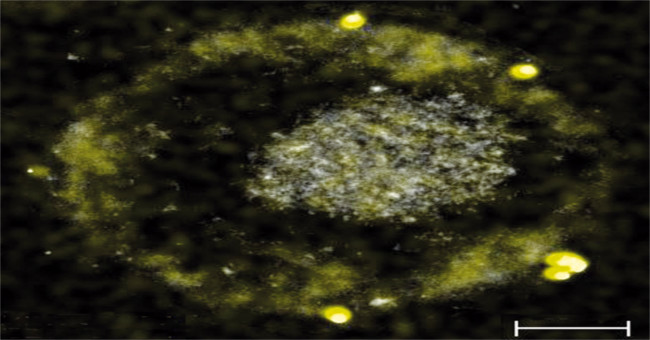
No life form on our planet can penetrate every successful environment like microbial cells.
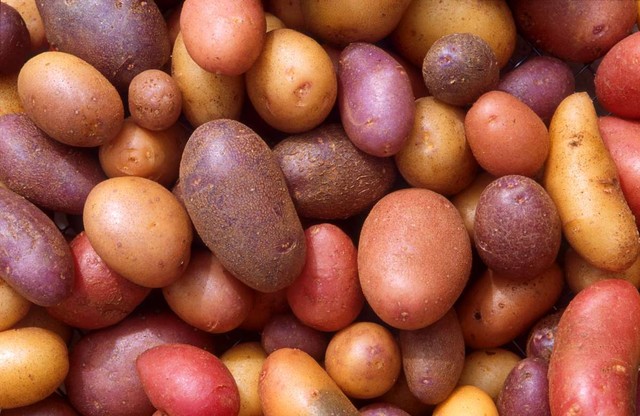
Scientists have come up with a major hypothesis that a starch-rich diet has helped our human brains grow larger.

Certainly everyone used to have a childhood attached to a bug named fireflies, a light flickering every night that any child is interested and curious.
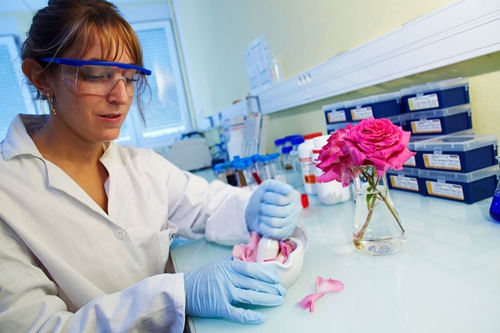
Scientists who discovered RhNUDX1 genes are partly responsible for creating the delicate fragrance of roses.
Researchers from Oxford University and The Stainsbury Laboratory, Norwich, have studied unknown details about how the fungus causes blight in potatoes.

The flowers need water and light to grow. Even children know that plants use sunlight to gather energy from soil and water.
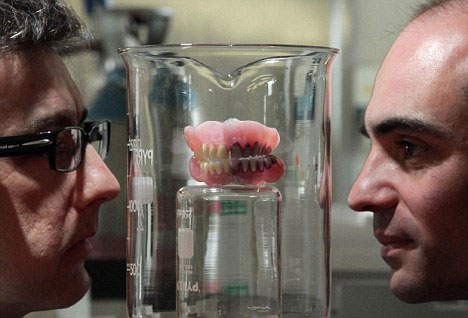
It was a surprising finding by scientists at the University of Newcastle (UK), while they were studying the bacterial strain of marine algae called Bacillus licheniformi…
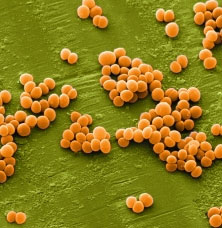
According to Genes and Development, an international research group consisting of scientists from Edinburgh University (Scotland) has established a map of the complex mo…
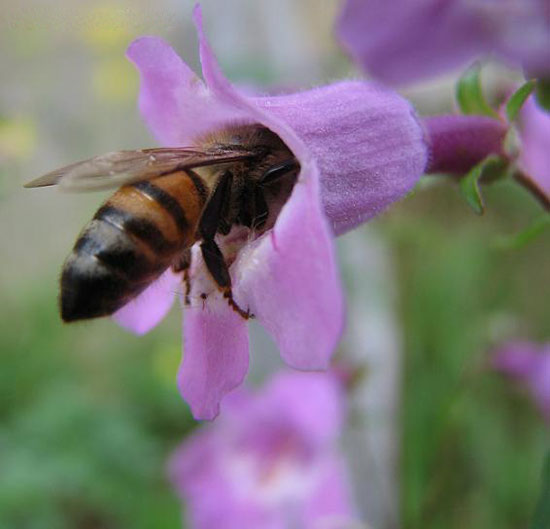
Researchers at the University of Illinois, USA, discovered intestinal enzymes of honey bees that can neutralize poisons of pesticides commonly used to kill ticks in hone…