Medicine - Health
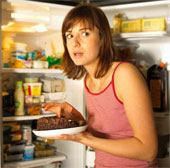
How bad is eating at night?
Eating at night is a habit that has both advantages and disadvantages to health. But do we know enough about the harmful effects of night eating?
Browse ScienceInfo articles and explainers related to Food.
3,471 published items.
Eating at night is a habit that has both advantages and disadvantages to health. But do we know enough about the harmful effects of night eating?

According to a doctoral thesis, healthy diet options in middle age may help prevent dementia in later years.
Vitamin E and beta-carotene precursors are not able to prevent cardiovascular diseases as well as cancer.
Toothpaste is primarily composed of friction and fluoride. According to empirical research by experts, these substances will work best at about 37 degrees C.
Doctors believe that knowing the cause of a headache is one of the best ways to treat it.
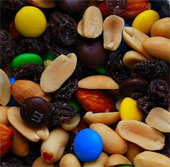
Dried beans mixed with chocolates are dishes that are often chosen by busy people when they need to recharge their bodies.
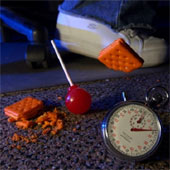
This rule shows when bacteria get into food. From there help you consider when reusing food dropped on the floor.

Signs on your face can reveal many things about your health, from digestive problems to iron deficiency.
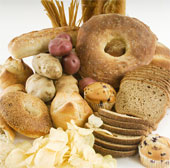
A recent study shows that carbohydrate-rich diets (including sugar, starch, fiber) and many calories can slow the development of muscular atrophy (ALS).
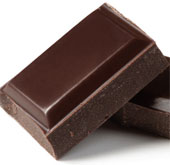
Black chocolate is good for the body, that's right, and now scientists know why this type of chocolate is good for the body.
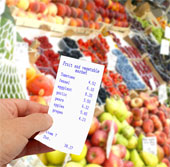
Fresh fruits and expensive vegetables are associated with a BMI (Body Mass Index) in children in low-income and middle-income families, according to a new study.

The secret to making delicious, healthier sausages is more likely ... child stool, according to a new study.
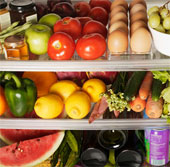
Tomato sauce, coconut oil, yogurt, sunflower seeds, cashews ... are healthy foods, delicious, versatile so don't forget to store them in the dining room.
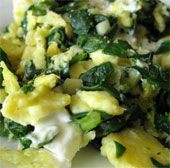
A nutrient found in eggs and spinach can help you react faster.
Some scientists believe that it is possible that chemicals being used in bottling and packaging products can cause cancer risks to users.