Animal world
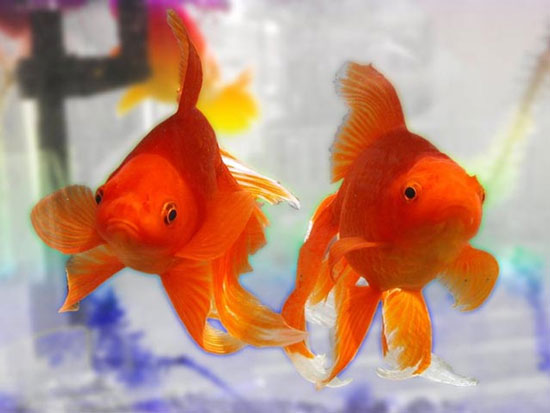
Goldfish survive more than 4 months without eating
Two goldfish have become the smallest and most supple creatures when they have eaten nothing for more than 4 months, since the February earthquake in New Zealand.
Browse ScienceInfo articles and explainers related to Food.
3,471 published items.
Two goldfish have become the smallest and most supple creatures when they have eaten nothing for more than 4 months, since the February earthquake in New Zealand.
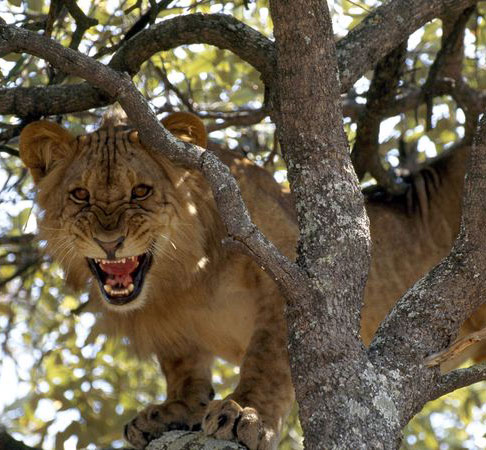
Research by the University of California team has shown that the role of carnivores is huge, which we have not yet evaluated in the past to regulate ecosystems.
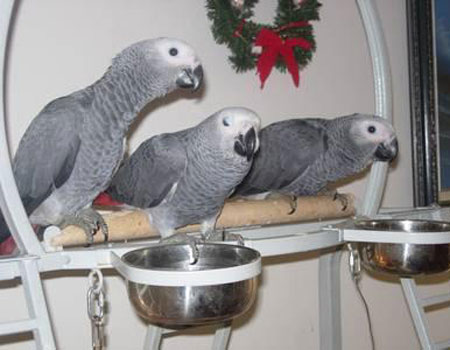
African gray parrots have the ability to deduce finding a place to hide food, which only humans and monkeys can do, a study says.
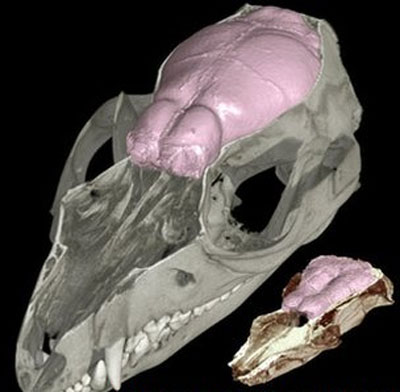
Scientists have used high-resolution scanners to study the skulls of the first known mammals. The results showed that the brain perceived the smell much more developed t…
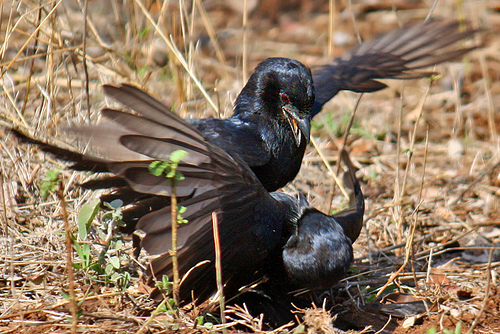
Biologists have demonstrated in the society that birds also have mafia hands, protecting other species against wild birds (raptors) and being paid fair food.
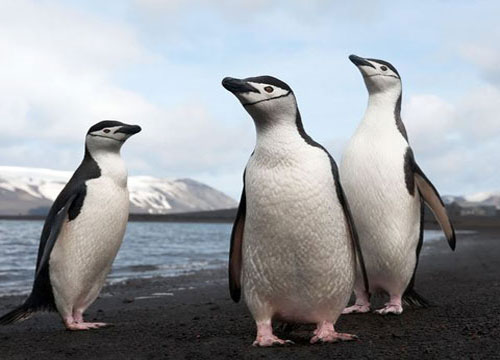
The loss of half of the penguins in the past three decades shows the crisis in the Antarctic marine life, including phytoplankton, mollusks, penguins and whales.
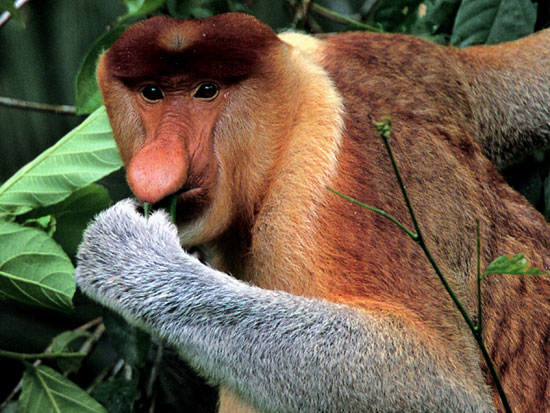
Live Science (USA) reported on March 29 that for the first time scientists discovered the ruminant behavior of a monkey like ungulates, such as buffaloes, cows, goats an…
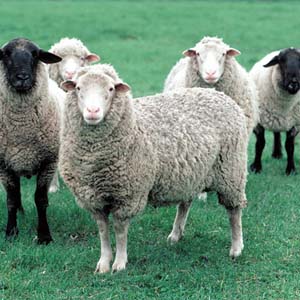
Sheep can remember the faces of two other sheep, missing their friends after two years of not seeing them, they can even recognize their sheep friends through photos.
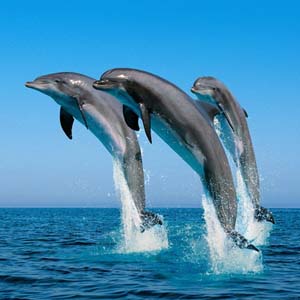
Scientists say dolphins are the true chefs of the ocean. They often perform a sophisticated food preparation process.

A raven knows how to use tools to feed and explore dangerous objects that are being studied by scientists at Oxford University (UK).
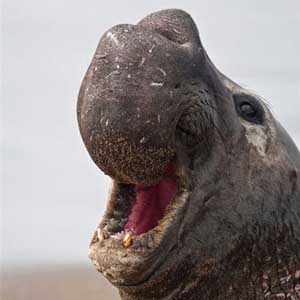
Everyone knows that nose is an indispensable part of respiratory organs. However, perhaps few people know that, in the natural world, the nose wants a lot of things.
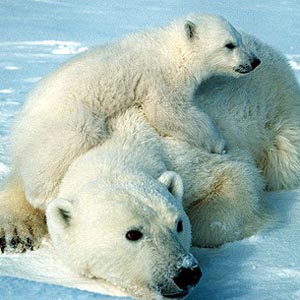
A polar bear had to swim for 9 consecutive days, with a 687km long distance, a new study published in Polar Biology magazine said.
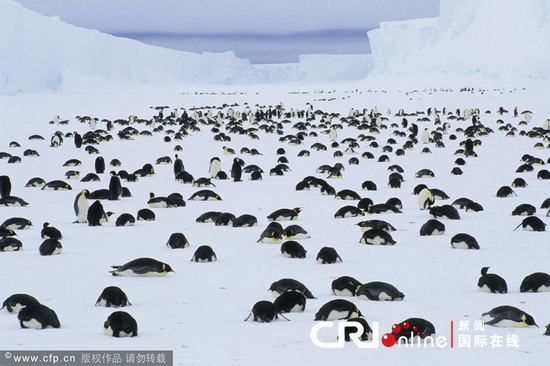
The status of mass death of Antarctic penguins is reflected by photographs of Daniel J. Cox photographer, possibly due to climate change or severe food shortage.
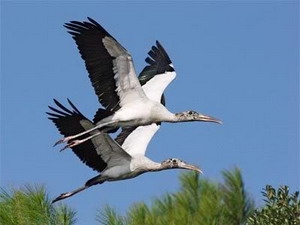
According to the latest research by scientists, the male white stork eating mercury-containing food will be turned into homosexuality.
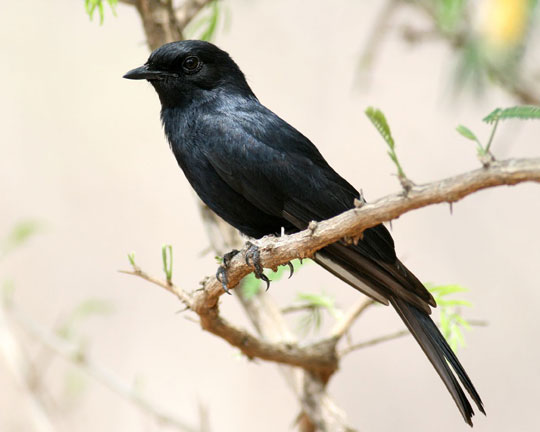
The new study shows that the Kalahari desert, also known as tail-docking, acts as a member of a conservation band for other birds.