
Environment
The ultra-cheap future fuel comes from where nobody thinks
In the present era, the cost of moving and traveling such as maintenance and repair, especially the demand for fuel has become one of the hottest issues.
Browse ScienceInfo articles and explainers related to Fuel.
886 published items.
In the present era, the cost of moving and traveling such as maintenance and repair, especially the demand for fuel has become one of the hottest issues.
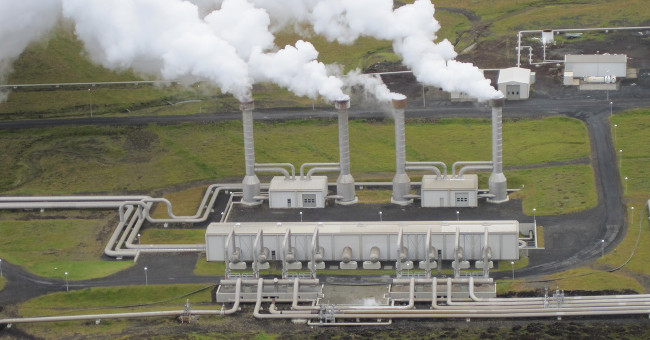
Geothermal sources provide stable energy and are less harmful to the environment than fossil or nuclear fuels.
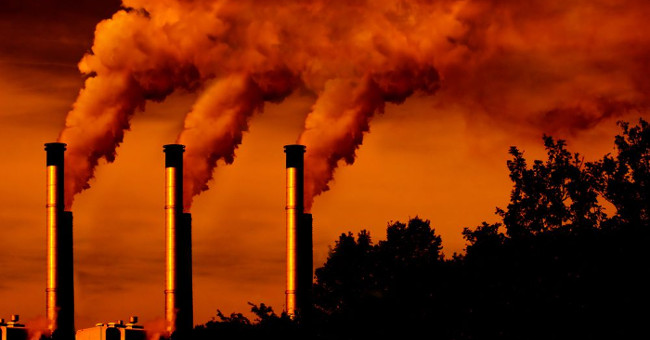
For the first time, scientists have overcome the difficulty of separating raw biomass without using chemicals, and have produced a record-high amount of liquid hydrocarb…
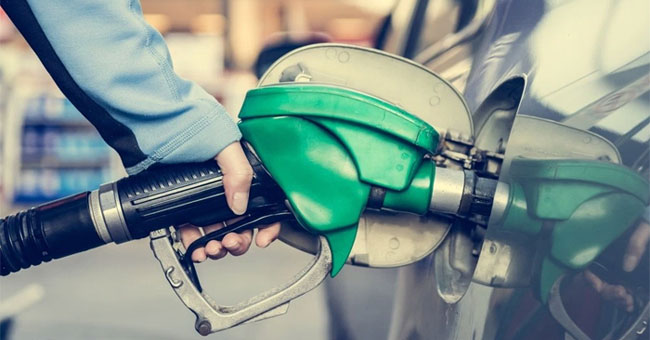
It is well known that the combustion of fuels like gasoline and oil releases a large amount of CO2 greenhouse gas into the environment.
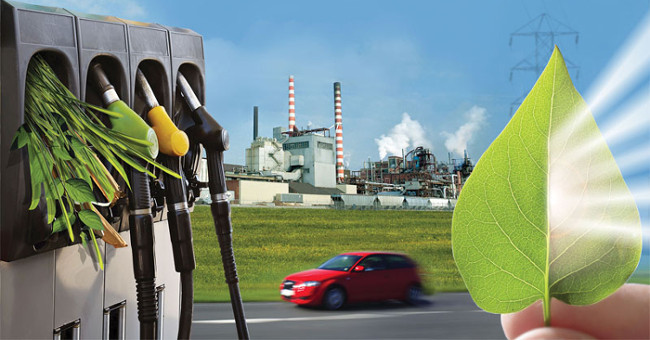
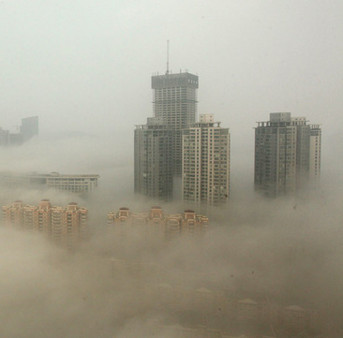
Severe air pollution in China contributes more than 50% of SO2 toxic gas in northern Vietnam in winter and this situation has a long-lasting risk.

If people do not control the need to consume fossil fuels, the planet will be engulfed by sea water that can rise up to 60 meters.

Besides the familiar energy sources from wind, sun, biology, tide ... scientists are revealing new sources of energy to replace such as: energy from waste, hot stone, wa…

Global warming is forcing airplanes to withstand strong gusts of wind, and jolts from air turbulence.
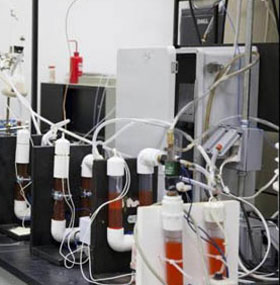
Scientists are studying how to treat and turn human waste into rocket fuel for future space missions.

Researchers from the Australian National University (ANU) have discovered a way to create hydrogen gas that can be used in cars by mimicking the photosynthesis process o…
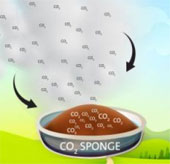
A plastic sheet like the greenhouse gas sponge carbon dioxide (CO2) can easily convert this contaminated fossil fuel into new energy sources.

Now you can just drink coffee while waiting for your full fuel tank. But in the future you can also drink and pour coffee into a gas tank.

After harvest, wheat, barley, oats, rapeseed ... emits a large biomass that can be used to produce second-generation biofuels.
Ethanol or alcohol is considered a more environmentally friendly alternative fuel than fossil fuels except for its limitations.