Environment
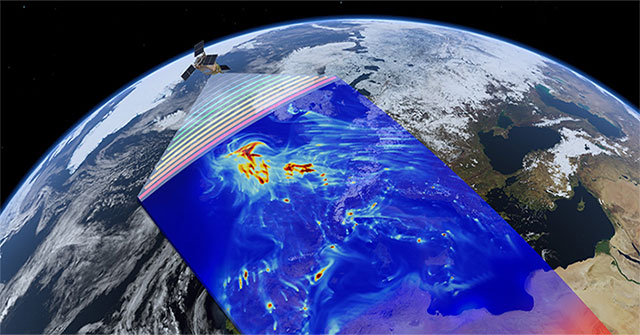
For the first time, the satellite detected and measured pollution gas leaks
For the first time a global air pollution monitoring satellite has detected and measured the amount of methane leaking from an explosion of a gas well in Ohio.
Browse ScienceInfo articles and explainers related to Gas.
1,386 published items.
For the first time a global air pollution monitoring satellite has detected and measured the amount of methane leaking from an explosion of a gas well in Ohio.
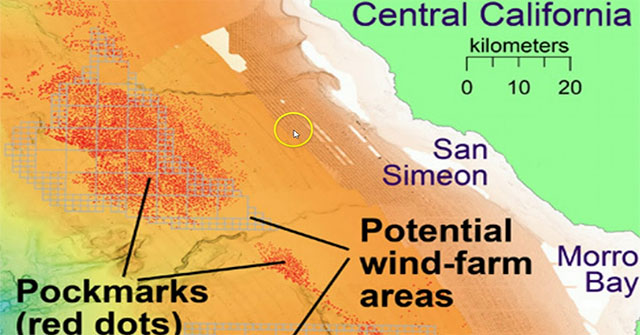
Experts have been struggling to find the answer to the appearance of thousands of strange holes in the sea floor off the coast of California, USA.

Recently, a man in Ukraine claimed that he could kill mosquitoes at a distance of 6 miles just because of his flatulence.
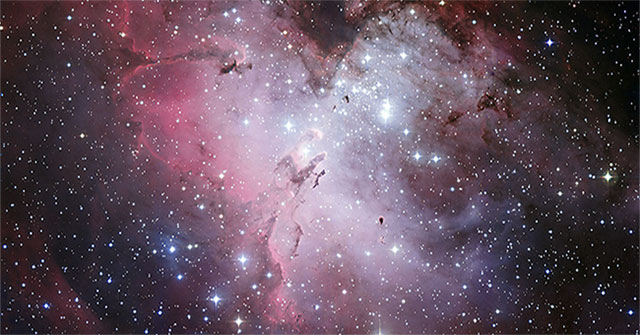
All the matter around you is made up of microscopic units called molecules.
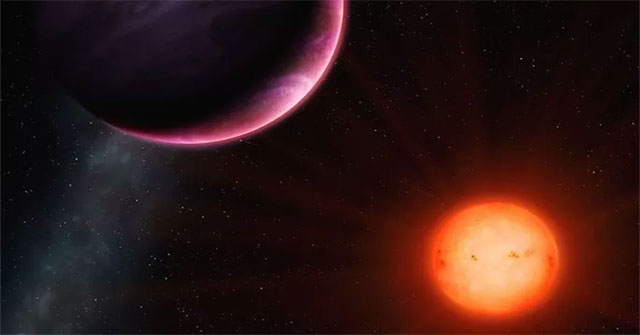
A giant planet with a mass of 318 times the earth has used its gravity to keep our planet from orbiting.

Giant galactic winds come from a galaxy called Wind.
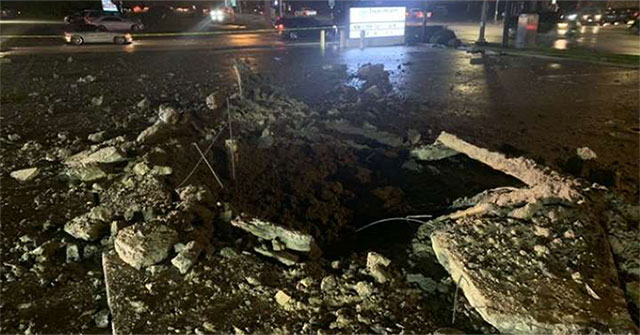
A powerful lightning strike in a thunderstorm on October 30 hit the parking lot in Fort Worth, Texas, puncturing the concrete floor and sending debris away.
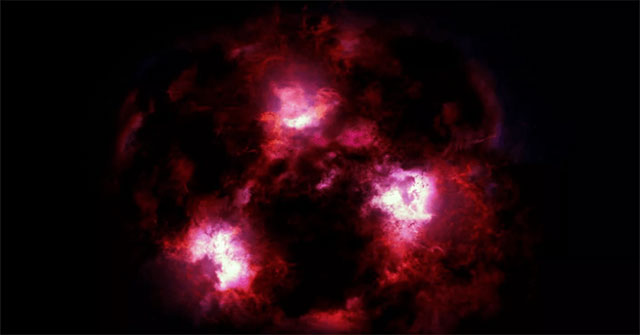
The giant galaxy is hidden behind a cloud of dust and gas and has a rate of formation of 100 times more stars than the Milky Way.
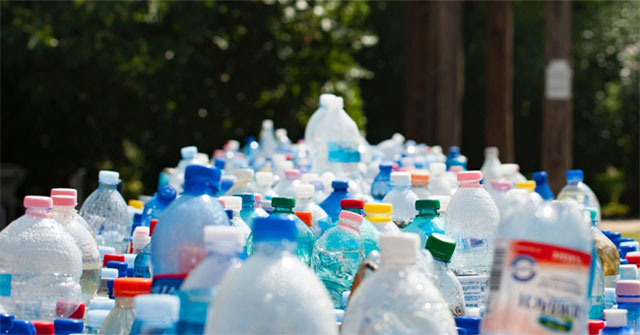
Material chemist Ken-ichi Otake of Kyoto University, Japan, and his colleagues have recently created a compound that can attract carbon dioxide molecules in the air and…

According to Guaridan, for millions of tourists visiting Munich each year, Oktoberfest is a monumental festival of German beer, music and sausages.
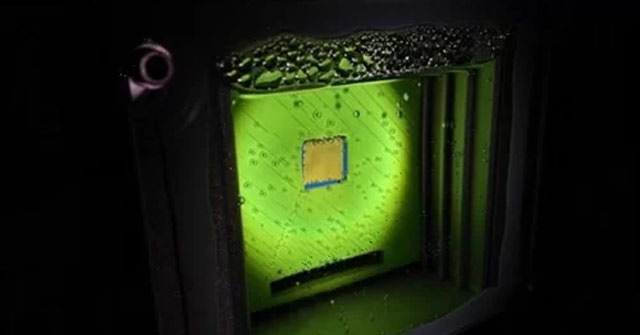
Experts at Cambridge University invented the device to create syngas, a gas usually produced from fossil fuels.
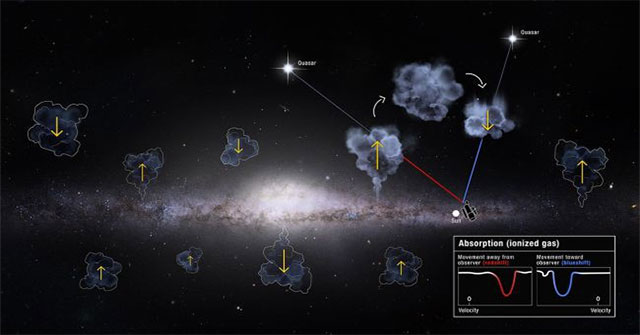
The mysterious chaos of the Milky Way galaxy containing the Earth has been deciphered, revealing the strange currents that have been seduced by the Milky Way, thus contr…

The world is concerned about reports of methane erupting from the bottom of the Arctic Ocean, but the reality is that so far this methane is still significantly smaller…
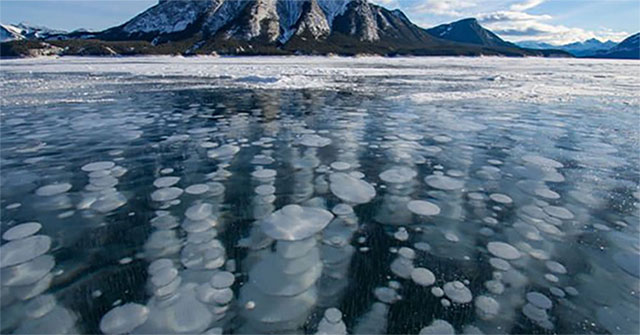
Russian scientists have discovered a sea of dense air bubbles under the ice that looks like boiling water in the Arctic sea.
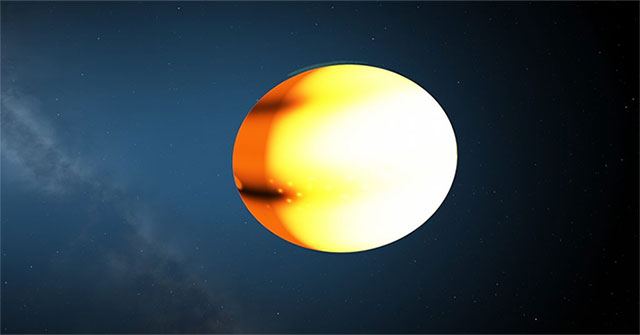
Astronomers found a Jupiter-like exoplanet located very close to the orange dwarf star 1,060 light-years from Earth.