
Biology
Experimental transplantation of human and animal DNA
A group of experts from the British Academy of Medical Sciences announced that they began to conduct a new study evaluating the experimental implantation of human DNA in…
Browse ScienceInfo articles and explainers related to Gene.
1,953 published items.
A group of experts from the British Academy of Medical Sciences announced that they began to conduct a new study evaluating the experimental implantation of human DNA in…

Recently, Australian scientists have identified a gene named after

After 20 years of research, scientists in Queensland state (Australia) has just released a variety of apples that can keep the freshness throughout the months.

By changing the NR2B gene, scientists created a mouse

Chinese scientists claim to have finished sketching the orchid genome map frame.

Many DNA testing companies in the world are promising to make silk and maternal love for couples based on the results of genetic analysis.

The group of scientists from the Institute of Biotechnology has successfully applied genetic engineering of RNAi in the study of creating transgenic plants resistant to…
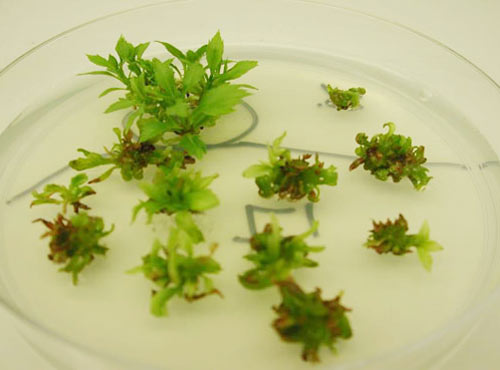
Biotechnology (including genetically modified technology) is considered one of the key technology industries to develop the country, but in our country is still new.

Entering the twenty-first century, the world population has increased dramatically while agricultural area has been decreasing due to urbanization and industrialization.
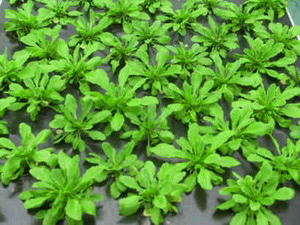
Scientists in the United States and Canada have discovered that plants are also able to recognize
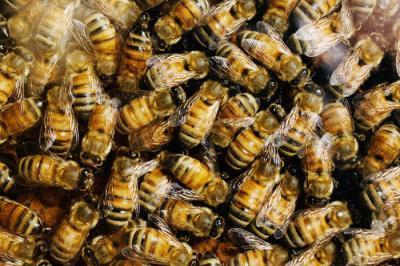
Earlier this week, researchers announced that they had found molecular markers of colony collapse disorder (CCD), which killed one-third of honey bees in the United Stat…

Every human on earth has at least 100 mutations in DNA, genetic material at the molecular level.

Many fungi cause plants to produce a mixture of hydrocarbons - chemical compounds that are very similar to the composition of fuels.
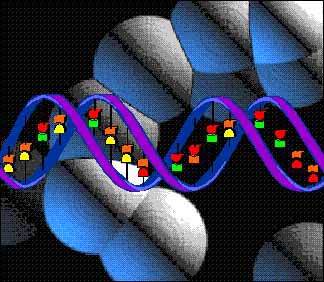
A team of researchers recently discovered three genes created by non-coding DNA, which may have helped humans evolve into high-level animals like today.
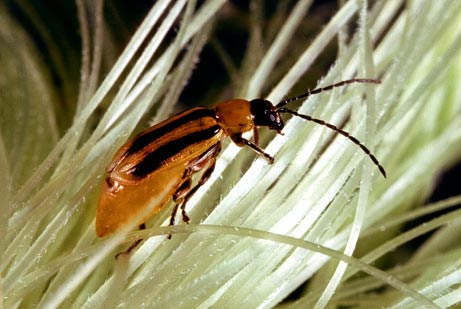
By cultivating more genes, Swiss scientists have just created corn that is able to secrete chemicals to kill them when they chew on their roots.