
Medicine - Health
Gene regulates negative reactions in humans
Canadian scientists have recently discovered a gene that can make people look more negative than others.
Browse ScienceInfo articles and explainers related to Gene.
1,953 published items.
Canadian scientists have recently discovered a gene that can make people look more negative than others.

In a study that seems to be only in sci-fi movies, geneticists believe they have a step closer to the ability to erase obsessive memories.

New Zealand scientists claim to have discovered ways to develop infertility treatments and help to conceive new types.

New genetic testing can help doctors more accurately diagnose the progress of prostate cancer.

Scientists strive to understand the cause behind the prolonged conflict between parents and their children around choosing a partner.

Singapore scientists have found a way to boost the body's immune system to prevent spreading cancer cells, after discovering a new mechanism involving p53 - an important…

Genetic mutations can cause some people to not feel pain. This inspired scientists to create new painkillers.

A girl who could not feel pain, urged scientists to learn about a gene mutation that affects how we perceive pain.

Canadian researchers have begun an experiment to use genetically modified stem cells to aid in the treatment of heart muscle damage in patients with heart attacks.
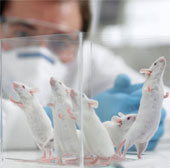
By acting on a gene, scientists can increase the average mouse life to an additional 20%. If this method is applied, the average life expectancy of humans can increase b…

Accordingly, for British men, the average height at the age of 21 increased from 1m67 in 1871 to 1m77 in the period 1971-1975.

US researchers on August 28 have identified a new protein in the brain that causes dementia in the elderly.

There are many causes of aging, aging is determined by a process of accumulating many types of changes that impair the function of organs in the body.

American scientists have identified the gene that caused some uncontrolled mothers to beat or scold their children.

Scientists discovered that cells extracted from the body of a poor black woman who died of cancer in the United States in 1951 were the first human cells to grow indefin…