
Medicine - Health
Gene decides what smell you like
Scientists have discovered the gene platform allows explaining why humans smell in a particular way after assessing the DNA of hundreds of individuals, according to a Na…
Browse ScienceInfo articles and explainers related to Gene.
1,953 published items.
Scientists have discovered the gene platform allows explaining why humans smell in a particular way after assessing the DNA of hundreds of individuals, according to a Na…
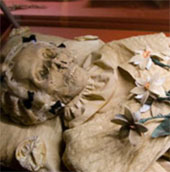
With TB germs found in 200-year-old mummies, experts hope to find new ways to treat multiple infections at the same time.
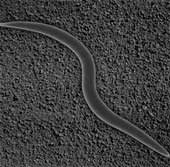
Russian scientists have demonstrated that nitric oxide (chemical symbol NO) works to increase life expectancy in humans.

Despite having a disease that made me dumb from birth, a 3-year-old English girl suddenly spoke thanks to a diet rich in cream cheese.

Nina has the appearance of a healthy child but her body is unable to resist any kind of bacteria, even the weakest. That means coughing or sneezing can kill you.

The National Cancer Research Institute (NCI) of the United States has just released the largest ever database of cancer-related gene changes.
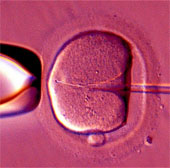
Last June, a healthy baby boy was born with artificial insemination (IVF) using new generation gene screening techniques, selecting the most viable embryo to perform IVF.

A new study by scientists at the Cincinnati Children's Hospital Medical Center, University of California Davis adds, their previous study of the effect of insulin on bre…

People at high risk for genes for asthma develop the disease at an early age, according to Health24 on July 1.
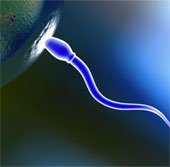
Stress can cause long-term harm to men's sperm and may even slow down the child's mental development, according to research by American scientists.

When a child enters puberty sooner than expected, doctors often cannot explain why. However, researchers have discovered a gene mutation that causes some early puberty c…

A US study found that in people with severe depression, the brain's biological clock is broken, according to the Daily Mail on May 14.

French scientists discovered, a component of red wine has the ability to create a rich source of energy and especially can extend 60% of the life of the organism.

Esophageal cancer develops when a cell's DNA is mutated, causing the normal function of the cell to break down and it begins to grow uncontrollably.
Two separate studies of the human genome have found new clues to the genetic cause of testicular cancer and the non-hereditary cause of congenital heart disease.