Medicine - Health
Mad cow disease helps ... increase intelligence?
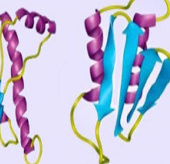
Prion protein is known as a disease-causing infectious agent
Browse ScienceInfo articles and explainers related to Gene.
1,953 published items.
Prion protein is known as a disease-causing infectious agent

Australian scientists believe that humans can live up to 500 years old if they have some snail genes and hormones.
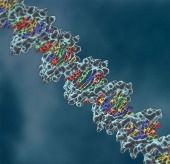
The British Journal of Natural Medicine released Feb. 4, scientists at Rosalind Franklin University of Medicine and Science in the United States have recovered some of t…

Thanks to the scanning of DNA in eggs and sperm of mice, the researchers found external factors such as smoking, dieting, starvation, mental illness and fluctuating chil…

Uzair Akhtar, who lives with her parents in Bradford (England), was found to have mutations of HIES (Hyperimmunoglobin E Syndrome) two years ago. Doctors say Uzair will…

A British study found that a rare gene causes some people to not produce

Cells that hold the task of preventing the entry of strange objects into the human body seem to affect that person's characteristic smell.
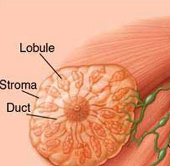
Australian researchers have discovered a gene-altering factor, which may open up new treatments for breast cancer patients.
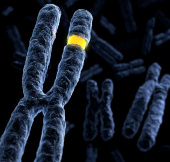
Four new areas have just been discovered on human genes that directly affect infant weight, providing evidence of health-related adult birth weight.

A variation of a gene identified as being involved in human dynamism also seems to entail longevity, UC Irvine and other researchers have noticed this.

Scientists in Hong Kong have outlined a formula that can slow down the aging process in mice (a finding published in the December issue of Cell Metabolism) hopes to repl…
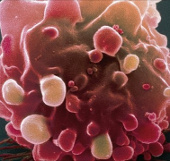
British scientists believe that they have explained why some families are at risk of incredible high intestinal cancer through DNA analysis of 20 people with a family hi…

According to experts, geneticists can find mutations in genes associated with mental illness that increase the risk of violence.
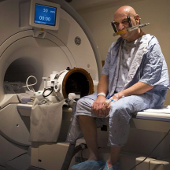
Shivering is a common syndrome in older people, with shaking hands increasing over time, like Parkinson's or multiple sclerosis.
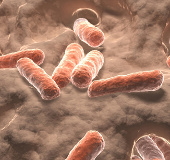
Swedish scientists believe that the amount of carotenoids in the human intestines affects stroke, according to ANI.