Space science
NASA reversed the time of launching the James Webb space telescope until 2020
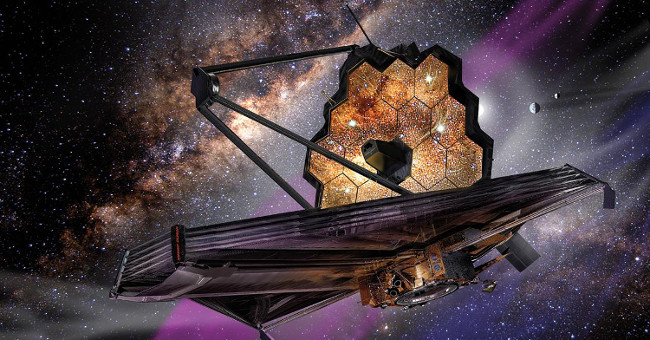
The upcoming space telescope called James Webb will replace the Hubble space telescope in the near future.
Browse ScienceInfo articles and explainers related to Glass.
607 published items.
The upcoming space telescope called James Webb will replace the Hubble space telescope in the near future.
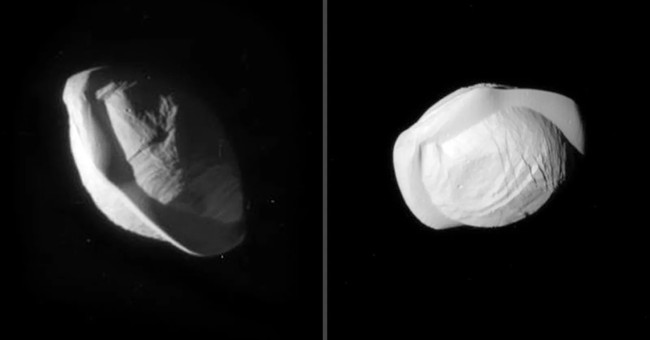
The universe is extremely vast, hidden within them are the facts that make us surprised.
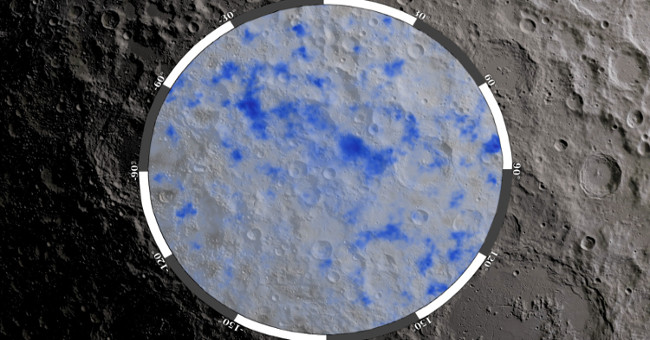
Recently, experts from Brown University (Rhode Island, USA) have found evidence that the Moon may contain a huge amount of water inside volcanic glass layers.
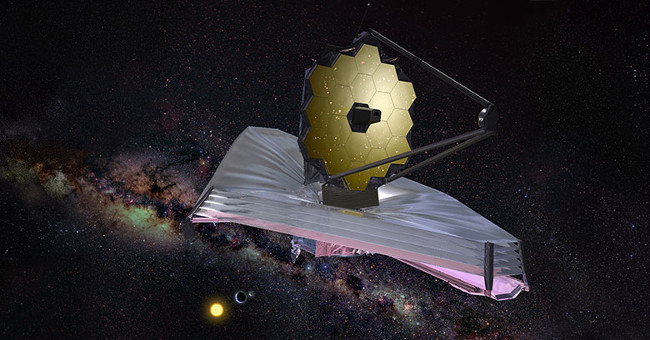
The photo taken by a NASA photographer impressed many people with ghost-like white shadows above the James Webb telescope.
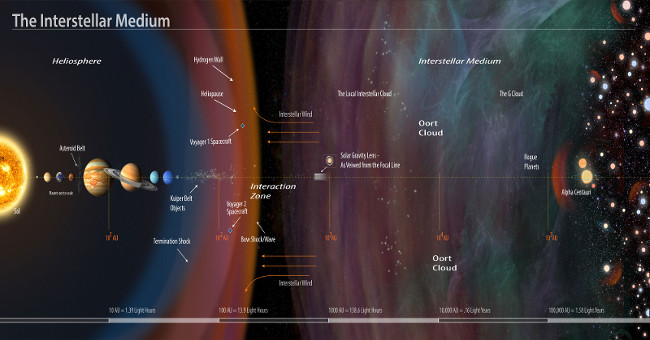
Scientists at NASA's Jet Dynamics Laboratory have revealed a rather crazy plan when they plan to turn the Sun into a giant telescope to search for extraterrestrial life.
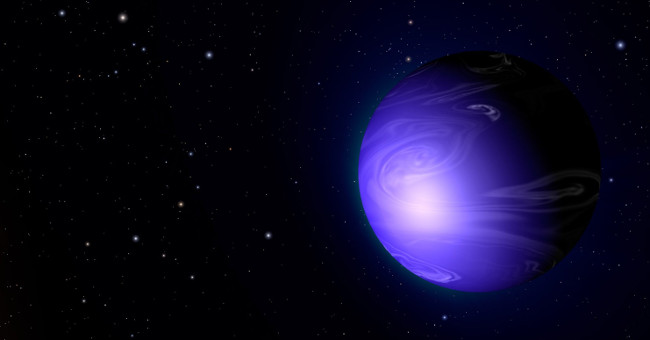
The study of Swiss astronomers indicates extraterrestrial HD 189733 b has the harshest weather in the universe.
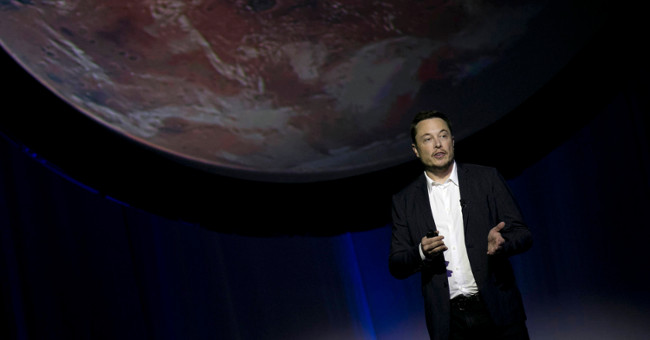
SpaceX plans to bring about one million people to live in glass dome houses on Mars in the next 40–100 years.
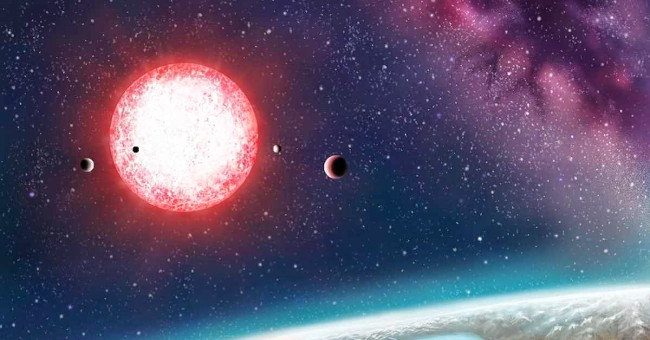
An international research group draws a list of the 20 most Earth-like planets from 4,000 extrasolar planets discovered by the Kepler telescope.

China once again expressed its ambition to conquer space with the plan to launch the Hubble 300-fold vision with the Thien-3 space station in 2022.
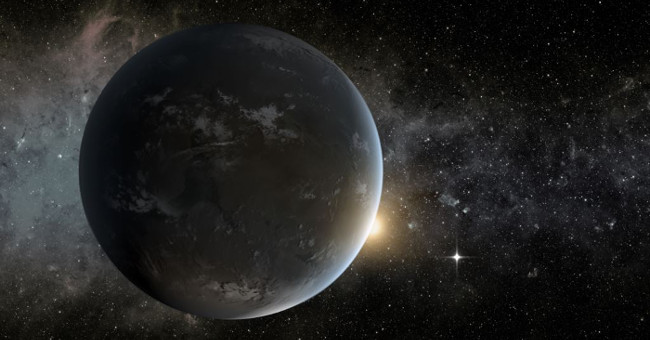
Astronomers have discovered a celestial body that can be a large planet at the edge of the Solar System after using the ALMA glass system (millimeter / lower-millimeter…
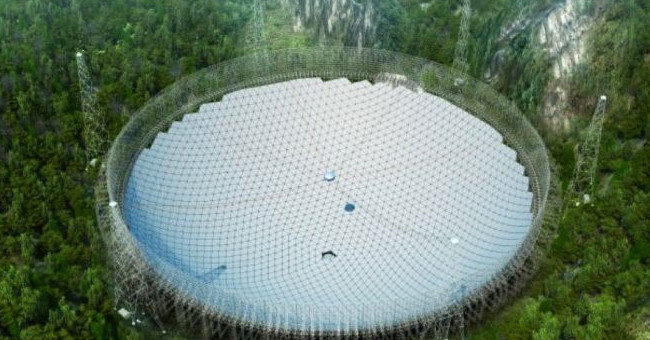
The building, which is as big as 30 football fields, will allow scientists to collect signals tens of billions of light years from Earth when inaugurated in 2016.

US researchers created a gamma-ray spectrometer device that can search for rare metal deposits such as gold and platinum on meteorites.
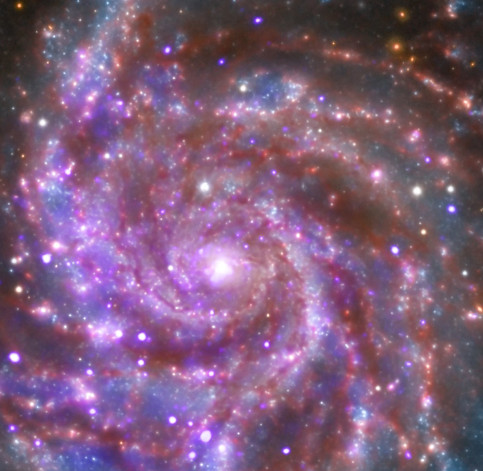
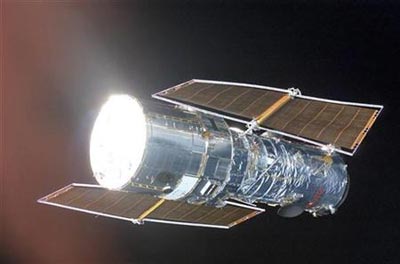
A space telescope with 25 times sharper vision than the current Hubble glass can help find aliens.
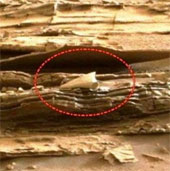
Photos taken from Mars show many bizarre shapes that scientists are still trying to decode, according to Coolinteresting website.