Environment
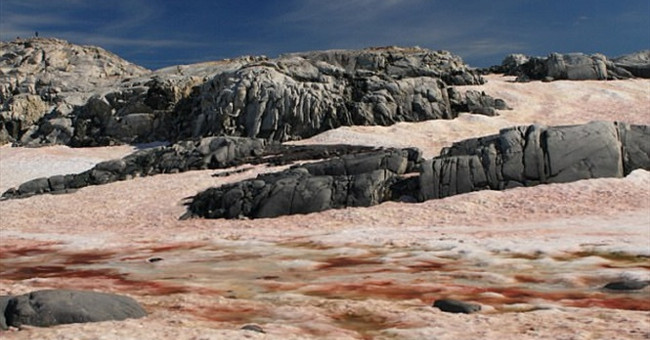
Admire the phenomenon of red algae causing the Arctic ice to melt quickly
Red algae cause red tape, or red snow, they exist in Greenland and Antarctica. In Alaska alone, red snow has melted nearly a fifth of the ice here.
Browse ScienceInfo articles and explainers related to Greenland.
127 published items.
Red algae cause red tape, or red snow, they exist in Greenland and Antarctica. In Alaska alone, red snow has melted nearly a fifth of the ice here.
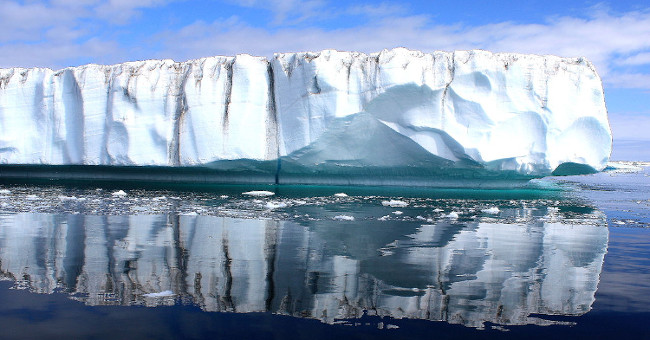
According to research published in Science Advances magazine, scientists show that ice flowing through sediments beneath the water is actually faster than rock layers on…
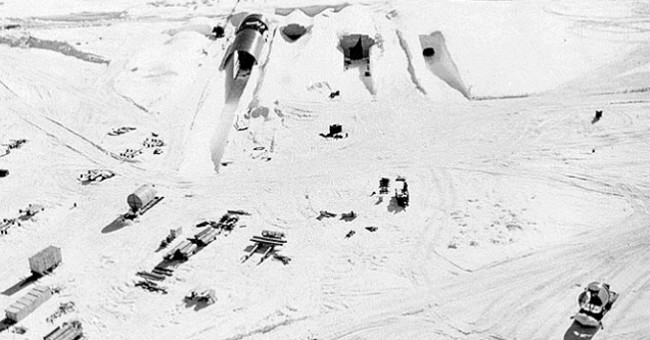
By the end of the century, ice on Greenland would melt, revealing toxic nuclear waste from the secret US military base during the Cold War.
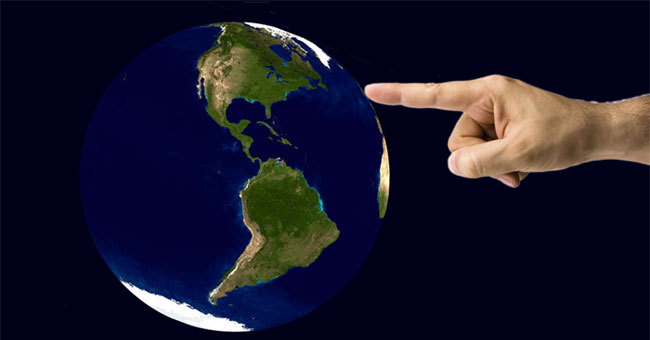
The Earth's North Pole is changing its direction to the east, approaching the original meridian running through Greenwich, London, England.
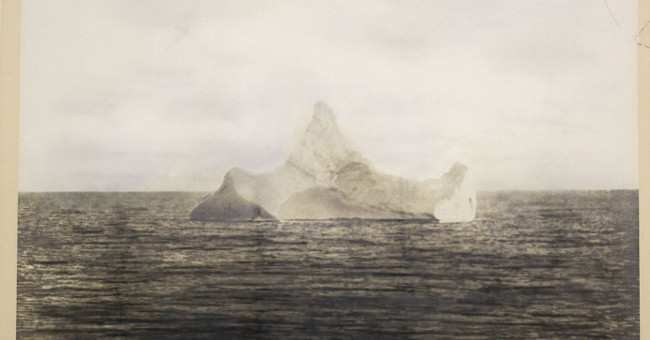
Scientists believe the iceberg, the culprit that pierced and sank the Titanic in 1912, originated in the snowy southwest of Greenland and fell into the sea more than 100…
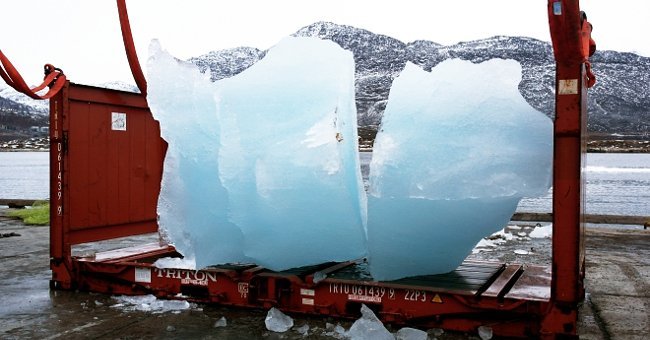
The display of 12 Arctic ice sheets in France has a special meaning, while global leaders are discussing measures to limit global temperature rise.
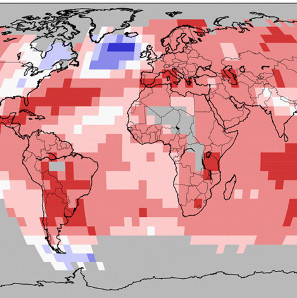
While temperatures in many parts of the world reached record highs in 2015, strangely, a region south of Greenland reached the lowest temperature. C

These are the darkest ice sheets ever recorded in history.
About half of the warming on the surface narrowed Greendland's ice masses due to temperatures in the Pacific tropical ocean, not from greenhouse gases.
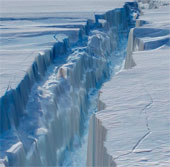
According to the report, the six giant glaciers of Antarctica are melting at a rapid rate with the amount of melting ice increasing by 77% between 1973 and now.
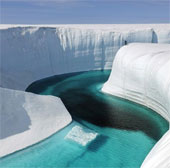
Global sea levels are rising at an unusual rate as the Greenland ice sheet begins to melt after a sustained effort.
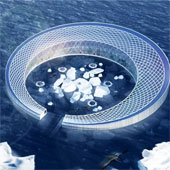
Fresh water is becoming increasingly scarce, while global warming is melting ice at the poles of the Earth.
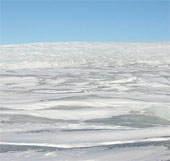
Researchers have discovered for the first time lakes located beneath ice shelves in Greenland, the world's largest island.
Greenland parliament on October 24 voted to end a decade-long ban on the exploitation of radioactive materials such as uranium.
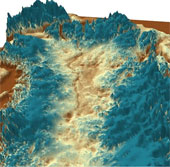
Scientists have recently discovered a giant canyon under Greenland's ice. This canyon is now believed to be the longest canyon in the world.