New technology
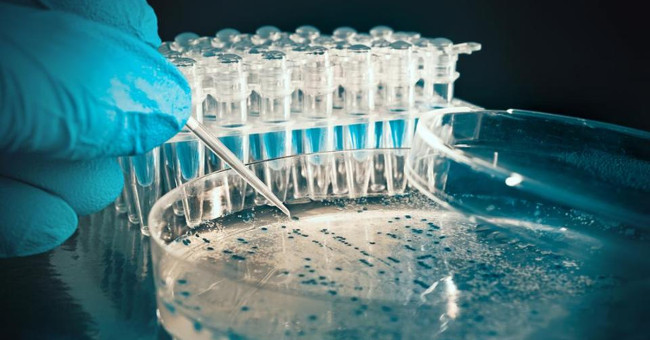
Store information into bacteria: The human USB permanently
The future is in our hands, simply because our hands have a lot of bacteria.
Browse ScienceInfo articles and explainers related to Hand.
1,231 published items.
The future is in our hands, simply because our hands have a lot of bacteria.

We humans are often proud of their extremely flexible hands. Things like typing on a keyboard or making coffee, we can use our hands without focusing.

Smart lights that recognize human activity to turn on / off automatically are not uncommon, however, the lights controlled by gestures and manipulations like Roome have…
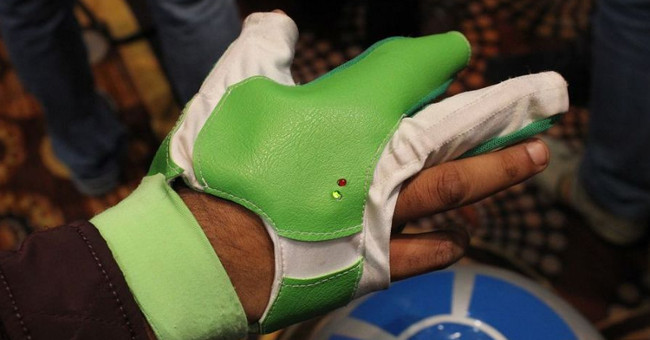
Introduced for the first time at the CES 2016 show earlier this year, Ziro is a system that allows users to create a robot of their choice and control it through hand mo…
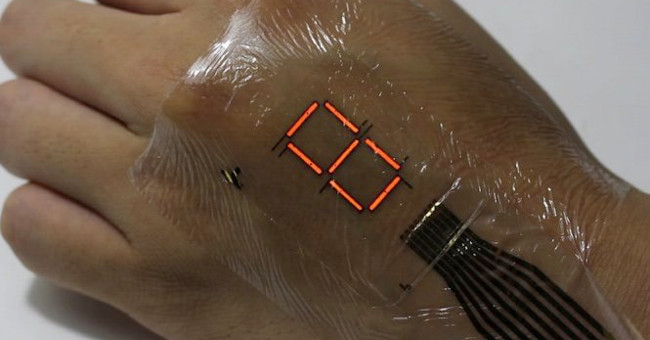
For the first time, Japanese scientists have demonstrated that an ultra-thin and flexible electronic display screen made from organic electronics does not impair tactile…

Scientists have successfully reconstructed the 3D prototype of a mummy

Instead of using the hand to create movement, Ogo users will move their bodies to order 2 wheels. This is a new idea by New Zealand designer Kevin Halsall, and is inspir…
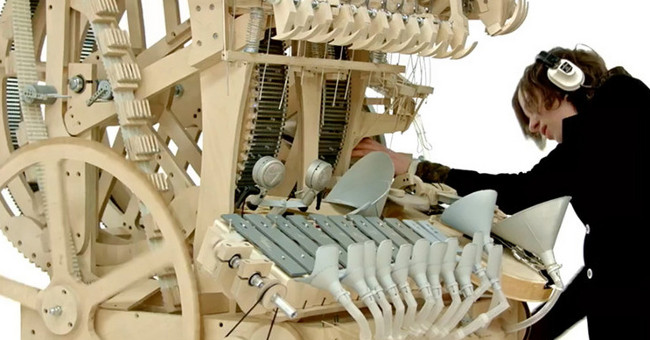
Wintergartan Marble Machine is a giant music machine made of birch wood and uses 2,000 metal spheres to create melody.

In the video below, Microsoft will somewhat help us visualize the exciting experience that Hololens' real-life goggles bring us when watching a sports match at home.

By using trial videos in supreme court cases
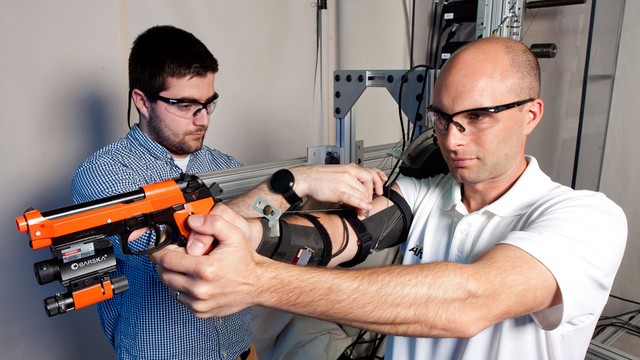
Every soldier has to undergo the training and training of his shooting skills, but it is not a simple thing to become a marksman.

The Team Turquoise team developed a wristband called Doppel, which can change the mood of the wearer by providing a tactile beat to the wrist.

Forget the physical touch screens and buttons, Google's Soli project allows users to control electronic devices by waving their hands in the air.
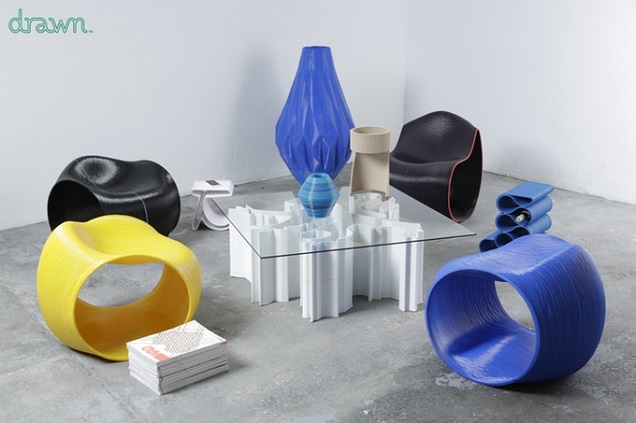
Galatea will heat the plastic (like the way to create Lego toys) at temperatures of more than 440 degrees Fahrenheit (equivalent to 227 degrees Celsius) for 3D printing…

This product is the result of 7 years of research and development, applying military technology and using formulas from F1 racing engineers.