Discover science
10 scientific pictures that change the way you look at the world
Each of the following pictures will give you many interesting things about science.
Browse ScienceInfo articles and explainers related to Hubble.
300 published items.
Each of the following pictures will give you many interesting things about science.
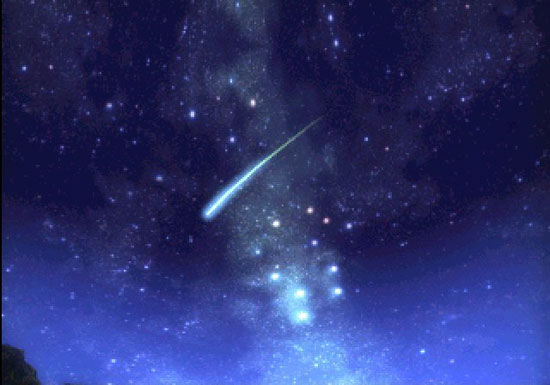
A study published in the journal Monthly Notices of the Royal Astronomical Society says dark energy is real. This energy makes space - time and the universe expand.
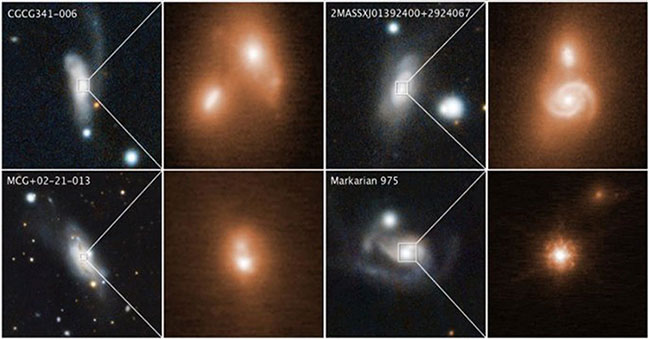
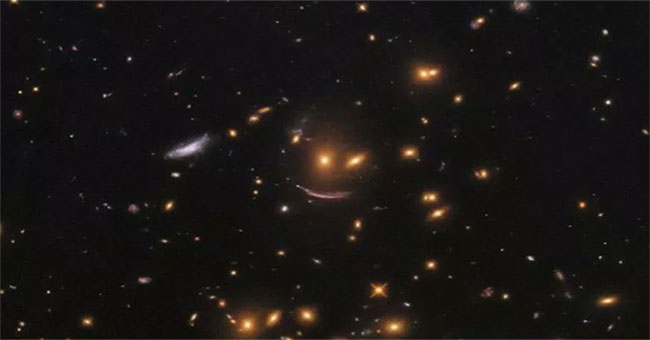
In the quest to better understand the process of new stars in the universe being born, NASA scientists have discovered a
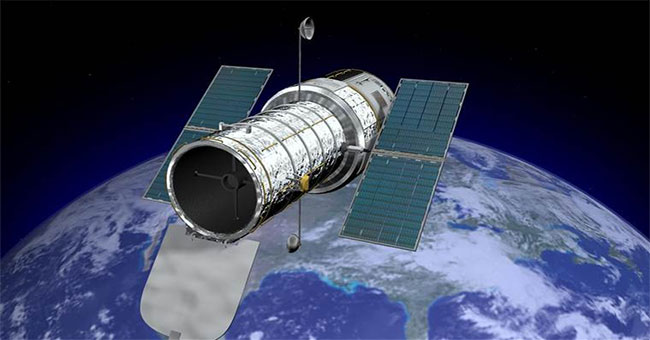
Speaking in a statement on October 8, NASA representative said one of Hubble's three gyroscopes had problems.
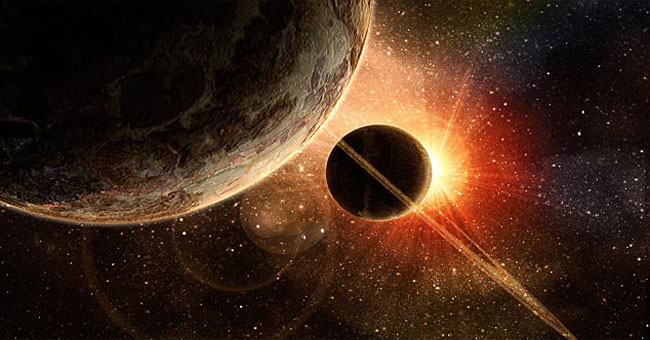
If the object has been confirmed by the Hubble Space Telescope as a moon, this is the first moon to be found outside of our solar system.

Recently, the Hubble Space Agency's Hubble telescope (NASA) captured a striking image of NGC 4036, a lens-like galaxy that delighted science.
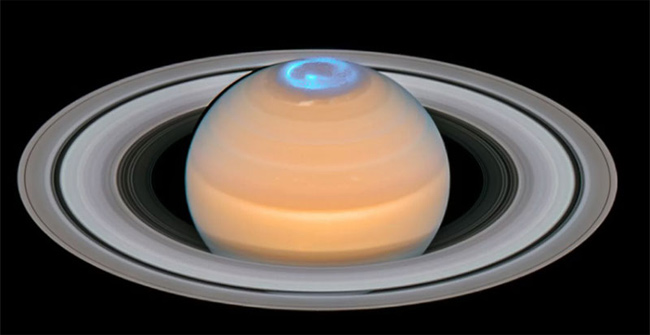
The images taken from the Hubble Space Telescope of the US Aeronautics Agency (NASA) show that the beautiful aurora of Saturn appears at the North pole both before and a…
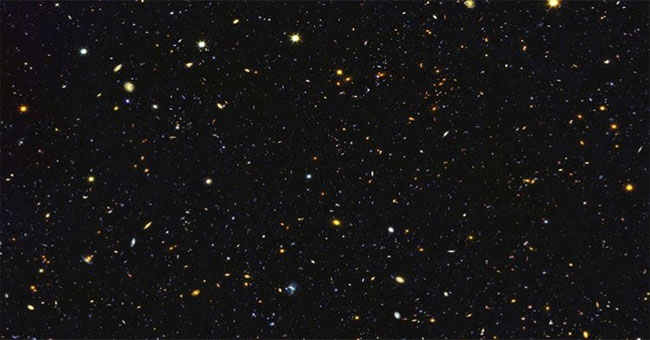
The Hubble Astronomical Telescope gives a detailed picture of the universe with many galaxies 11 billion light-years from Earth.
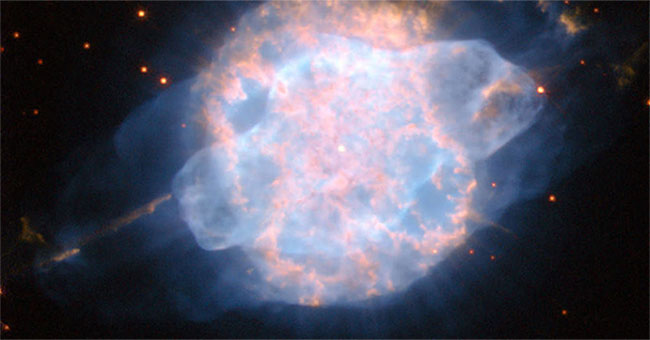
NASA has just released a picture of the NGC 3918 nebula, which has an eye shape.
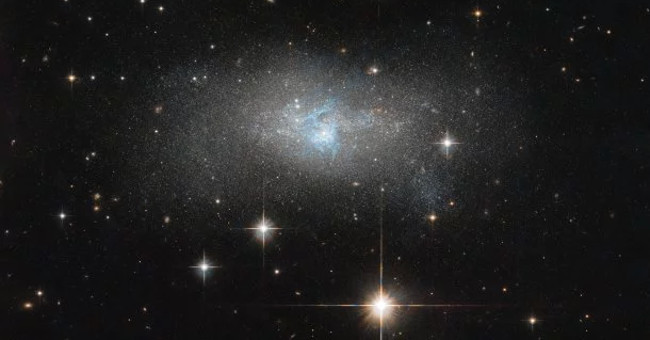
NASA's Hubble Space Telescope captures the details of the galaxy IC4870, UPI on 8/6 reported. IC4870 stands out from the picture with a series of other stars around.
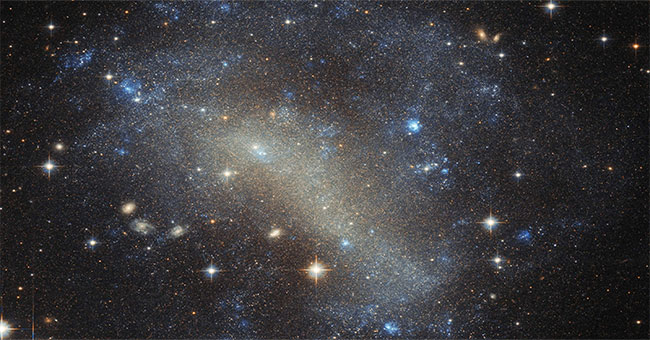
It is thought that this abnormal galaxy has been distorted over time, through external gravity when interacting or merging other galaxies.
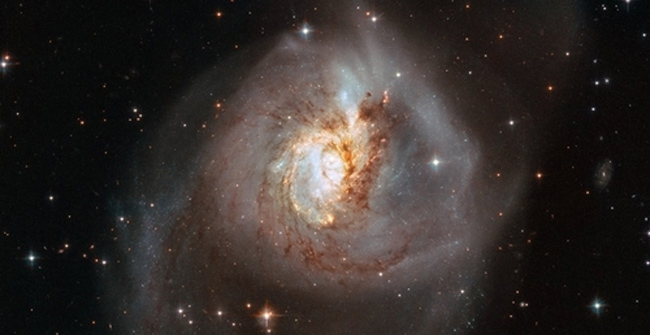
Galaxy NGC 3256 has a distorted shape due to the formation of a collision between two spiral galaxies.
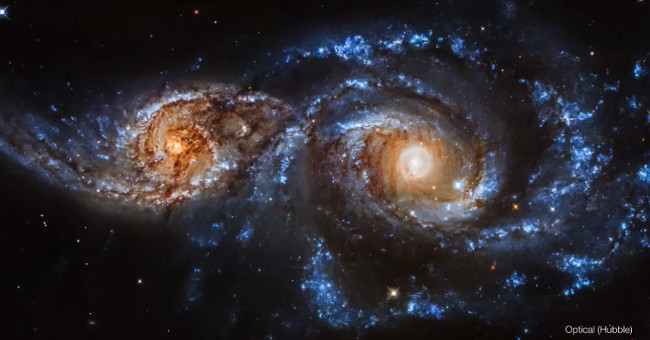
Scientists recorded the collision between two spiral galaxies NGC 2207 and IC 2163, UPI on April 23 reported.

The team used NASA's Hubble Space Telescope to observe extraterrestrial WASP-107b.