
Biology
10 trees have a longer life expectancy than human civilization
Many ancient trees have a longer lifespan than human civilization, surviving many geological and climatic changes on Earth.
Browse ScienceInfo articles and explainers related to Human.
6,757 published items.
Many ancient trees have a longer lifespan than human civilization, surviving many geological and climatic changes on Earth.
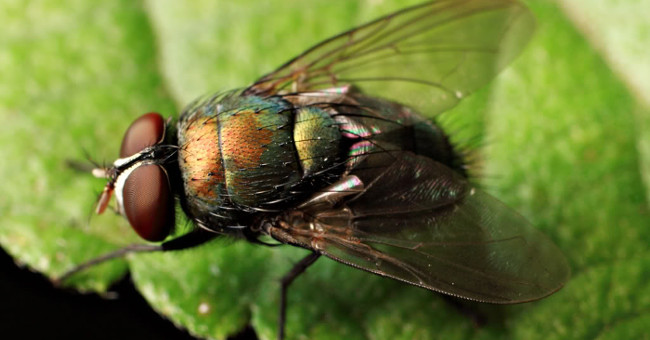
The team scanned the fly brain and realized that they were not only conscious,
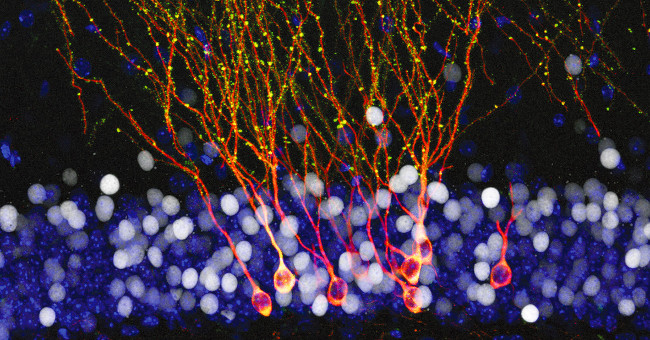
Scientists have discovered the history of Retrovirus - the virus that existed 30 million years ago, helping scientists better understand the evolution of today's viruses.
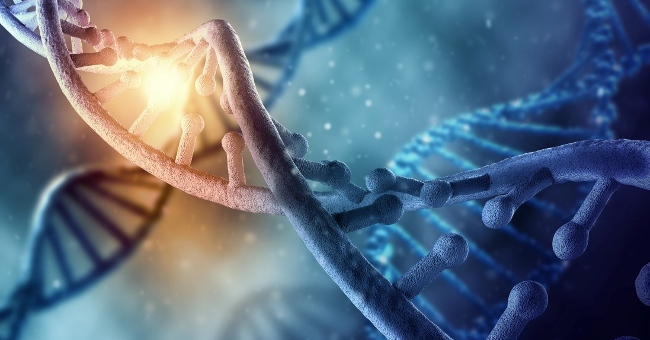
At least 8% of your DNA belongs to strange races and is made up of virus-derived pieces, not human. In fact, pieces of virus that often lurk within the genome of anythin…
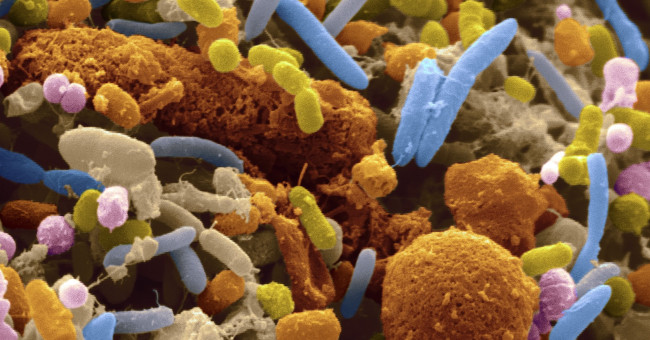
New research by an international team of scientists shows that an average person carries 1.3 times the number of bacteria in their bodies.
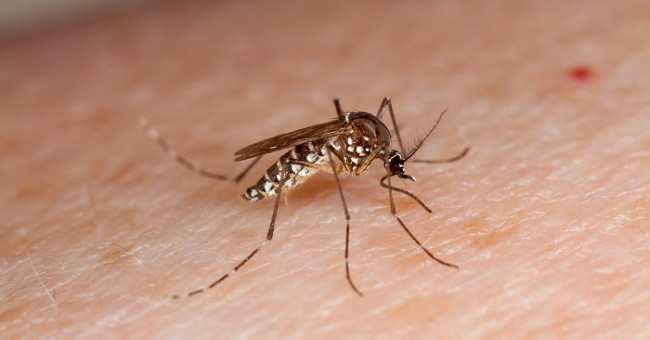
Mosquitoes are more likely to cause problems and illness for humans than any other creature. People can make this animal disappear forever, but why don't we do it?
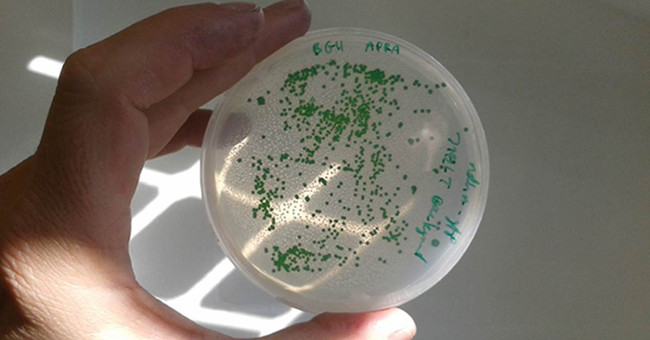
In a recent surprise discovery, scientists realized that some types of bacteria could see the world in a way similar to humans.
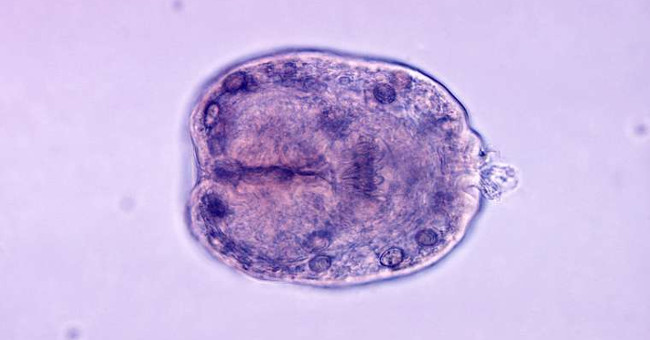
If not careful, you can completely eat these parasites without knowing it.
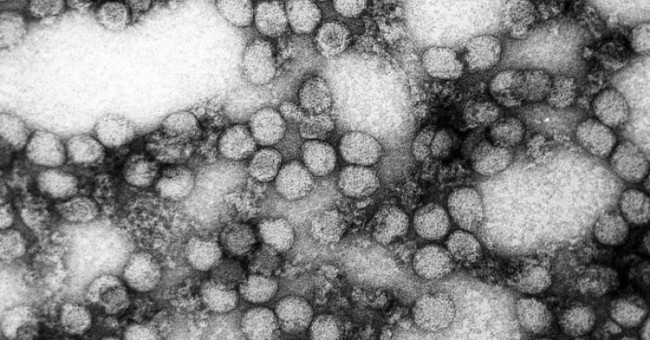
Recently, the Ministry of Health of Vietnam expressed concern about the possibility of appearing virus species eating dangerous human brain in the country - Zika virus.
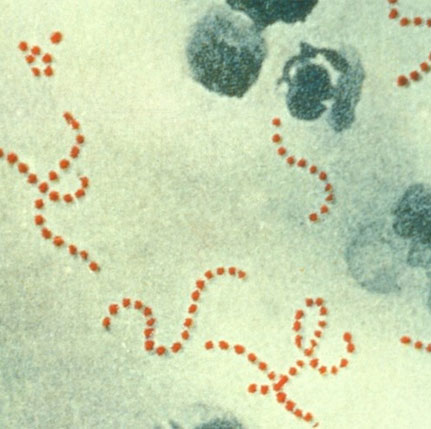
Brain-eating amoeba, streptococcus, buffalo fly larvae, green-spotted larvae, poisonous brown spider are 5 parasitic species that use human flesh as food or cause tissue…
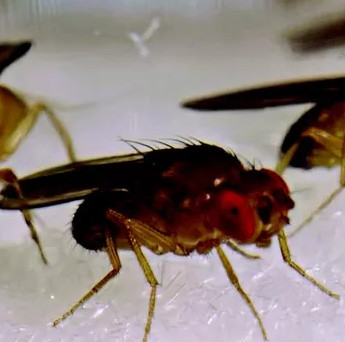
Do you believe an organism with a 5.8-centimeter-long spermatozoa is 1,000 times the size of human sperm?
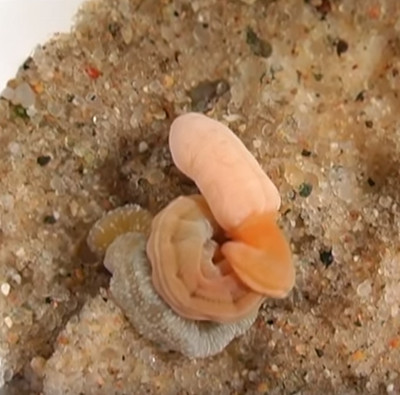
Researchers have suddenly discovered a creature that is a long-lost relative of mankind: the pink cave worm - marine animals that have up to 70% of the human genome.
This hated animal has a very strong survival instinct. First loss, but they still live weekly. Scientists have discovered why they do it, and people don't.

The human body is home to trillions of bacteria, but we cannot see them.
Scientists at the Johns Hopkins University of Medicine and University of Nebraska have discovered an algae virus that could affect the brain and make us stupid.