
Medicine - Health
Secrets of human life expectancy
Humans and primates live long because of the ability to burn less calories each day than other mammals.
Browse ScienceInfo articles and explainers related to Humans.
950 published items.
Humans and primates live long because of the ability to burn less calories each day than other mammals.

The European population was halved by the plague, while the Spanish flu killed about 20 to 100 million people around the world earlier in the century.

According to French press on December 21, for the first time in the world, an artificial heart completely beat in the human chest.

Humans have no origin on Earth, but are taken by alien creatures

Romanian scientists have invented an artificial blood, which can be used in humans in the future without side effects.

Canadian scientists have recently discovered a gene that can make people look more negative than others.
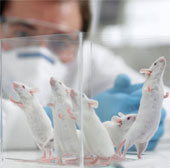
By acting on a gene, scientists can increase the average mouse life to an additional 20%. If this method is applied, the average life expectancy of humans can increase b…

With the eyes of 49-year-old Ukaine Sake Ao, tiny bacteria, viruses, and bacteria all become clear.
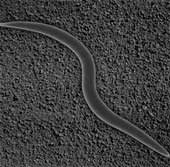
Russian scientists have demonstrated that nitric oxide (chemical symbol NO) works to increase life expectancy in humans.

Some experts say that people always lie for the same reason: fear. However, the fear of making someone lie in every certain situation can be completely different.

A small genetic mutation 30,000 years ago spread rapidly in central China, and can help residents of this country resist the terrible heat and humidity.

Australian scientists believe that humans can live up to 500 years old if they have some snail genes and hormones.

A variation of a gene identified as being involved in human dynamism also seems to entail longevity, UC Irvine and other researchers have noticed this.
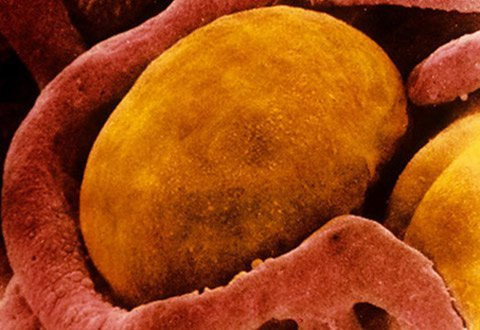
Dana-Farber Institute of Medicine scientists (USA) have found that in brown body fat brown and white fat also has another type of light pinkish brown (often called beige…
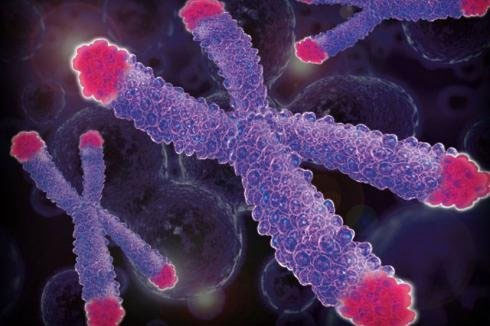
Scientists at the Spanish National Cancer Research Center have announced that they have successfully extended the life of experimental mice by 24%.