Archeology
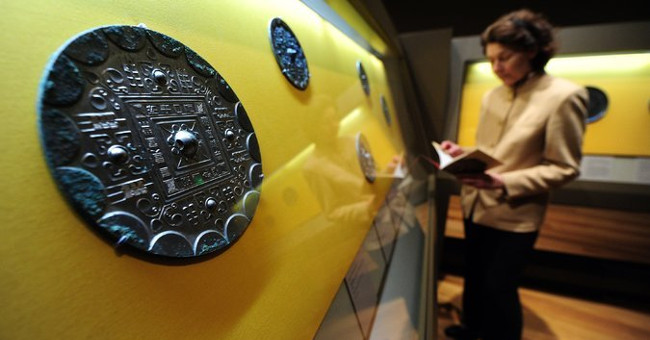
The bronze mirror is still shiny after 1,900 years underground
The 11.3-cm copper mirror was unearthed in April at Nakashima archaeological site in Fukuoka City, Japan, the International Business Times reported.
Browse ScienceInfo articles and explainers related to IQ.
2,094 published items.
The 11.3-cm copper mirror was unearthed in April at Nakashima archaeological site in Fukuoka City, Japan, the International Business Times reported.
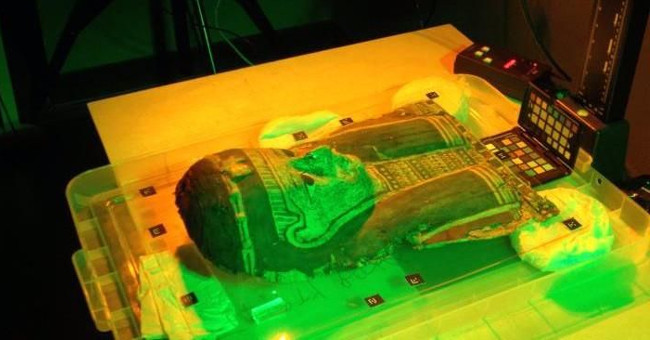
According to Daily Mail, researchers at the University of London (UCL) use a new scanning technique to identify Egyptian mummies, which are on display at Chiddington Cas…
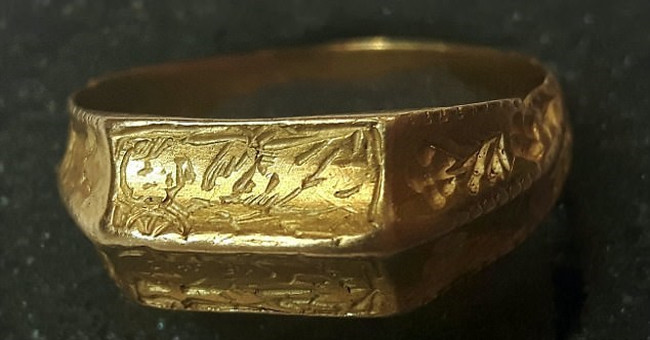
The Daily Mail (UK) quoted driver Adam Day (30) as saying he was shaking when he discovered the ring in a field in Yorkshire.
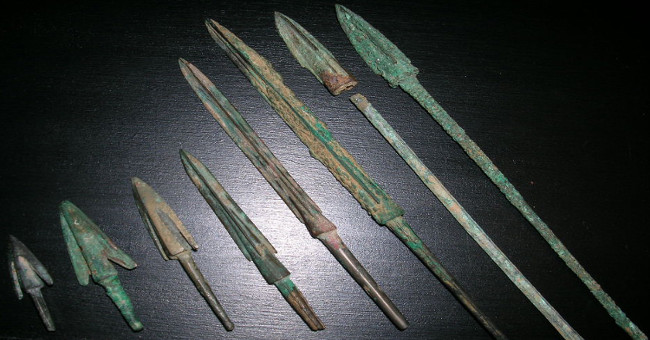
History shows that Qin Shihuang prepared his death very carefully.
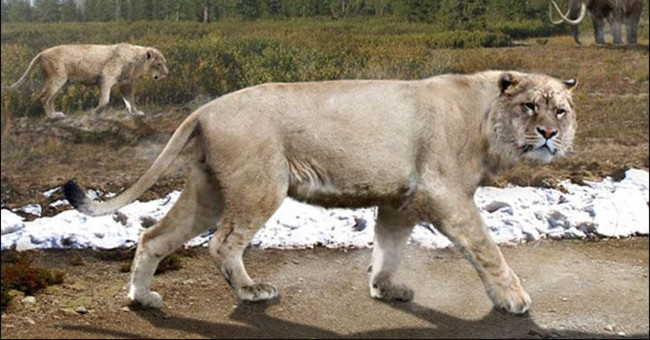
One of the extinct animals long before the modern human society formed might walk on the ground again, thanks to an experiment like that in a Hollywood movie.
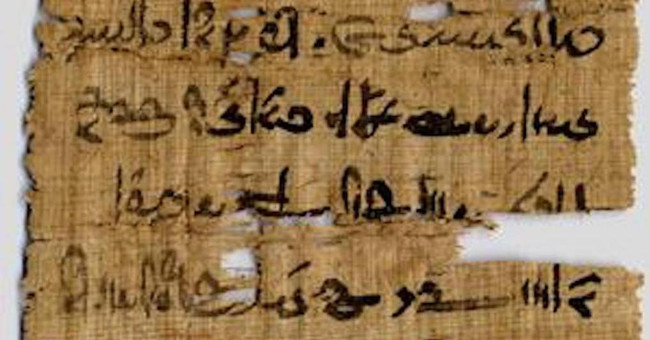
Historically, archaeologists believe that the ancient Egyptians used black ink, which was purely carbon-based until the 4th and 5th centuries.
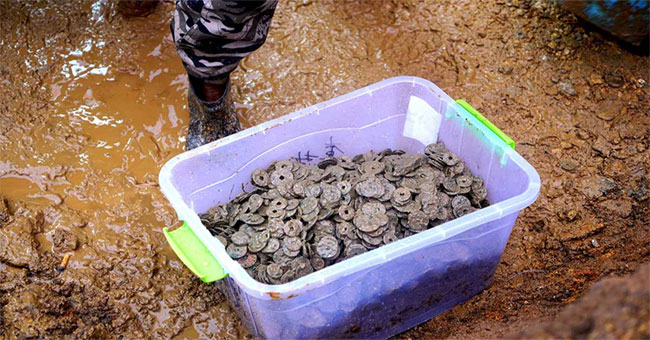
Experts try to understand why hundreds of thousands of coins were buried underground.
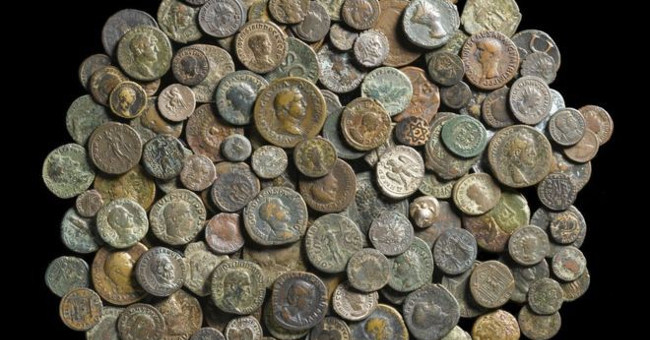
Accordingly, the treasure consists of nearly 200 ancient Roman and Greek coins dating back to 2,500 years found in a desk drawer at the ancient Scotney castle (England).
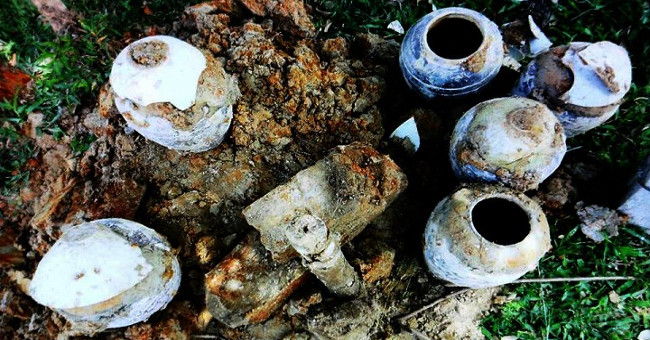
On September 22, Mr. Nguyen Tri Son, Director of Ha Tinh Provincial Museum said, a group of workers digging holes to bury electric poles at home gardens just discovered…
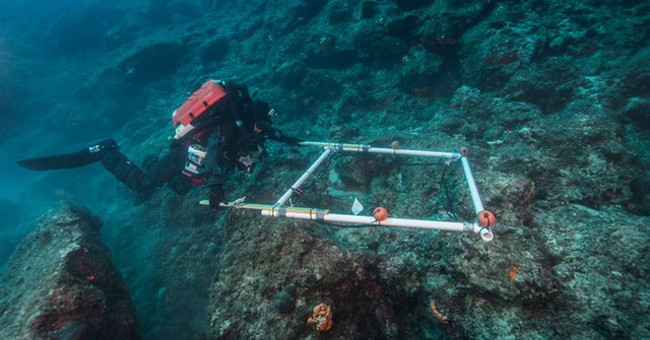
According to archaeologists, this excavation may prove there are at least seven bronze statues buried in the seabed in this area.
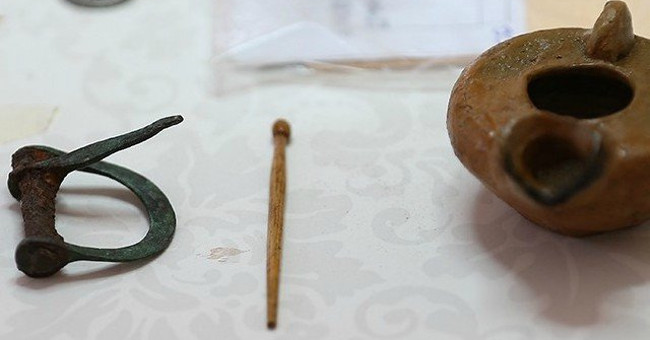
Accordingly, traces of two two-year-old estates and stores were unearthed at a site in the ancient city of Aspendos.
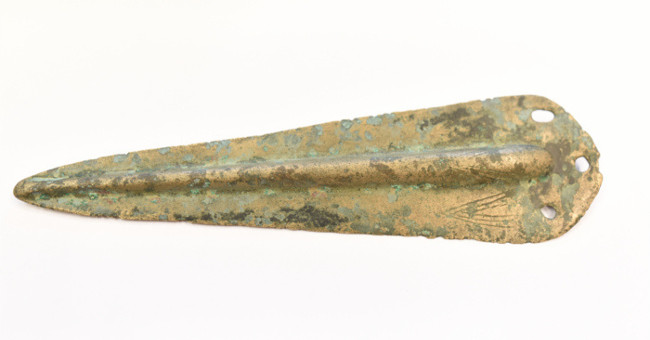
Accordingly, a graduate student named David found this antique at a barbecue party near the Vah River, flowing through the town of Trnava, news agency Xinhua reported.
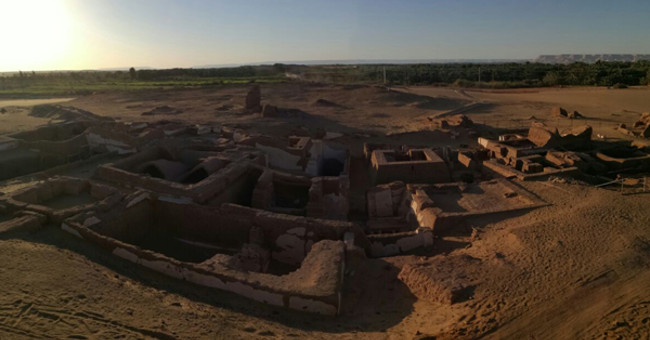
The Egyptian Antiquities Ministry said archaeologists have discovered five tombs from ancient Rome more than 2,000 years ago.

In 1999, a group of scientists discovered the fate of three Incan children at 6,705m altitude in the Llullaillaco volcano region (Argentina).
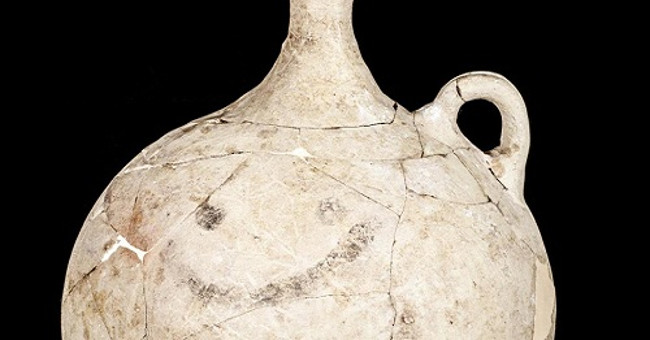
The decorative smiley vase is an artifact excavated during a 7-year excavation at a site in the middle of the Turkish border - the Syrian, Independent yesterday reported.