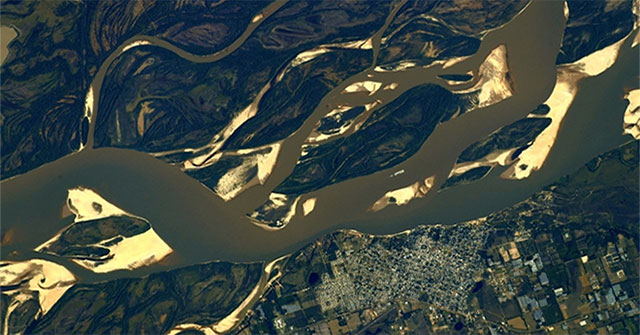
Photo library
Beautiful set of photos: Viewing Earth from the International Space Station
French astronaut Thomas Pesquet took thousands of pictures around the Earth during his 6 months working on the International Space Station (ISS).
Browse ScienceInfo articles and explainers related to ISS.
878 published items.
French astronaut Thomas Pesquet took thousands of pictures around the Earth during his 6 months working on the International Space Station (ISS).
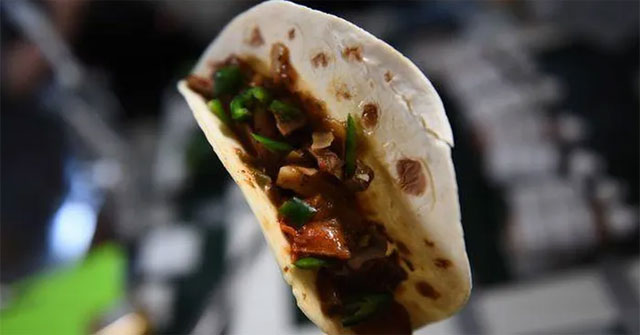
The US space agency announced that they have successfully grown plants in space and astronauts have used the first chili peppers as a filling.
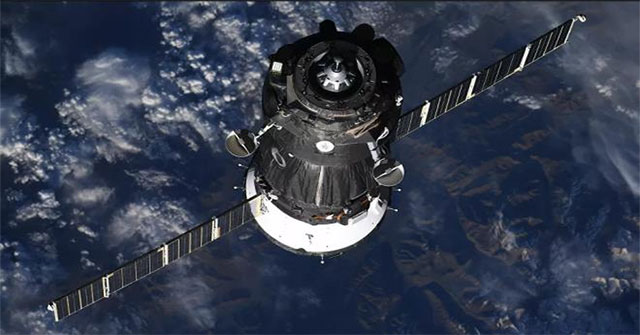
Not just sitting on a spaceship, 2023 will have the first tourists to step out into the space from the International Space Station.
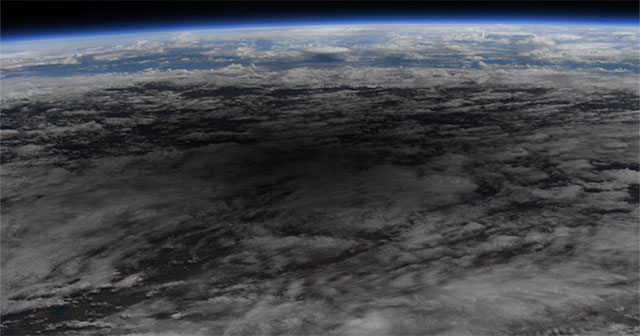
From the space station of the American International Astronaut Christopher Cassidy has captured an image of the annular eclipse that took place yesterday (June 21).
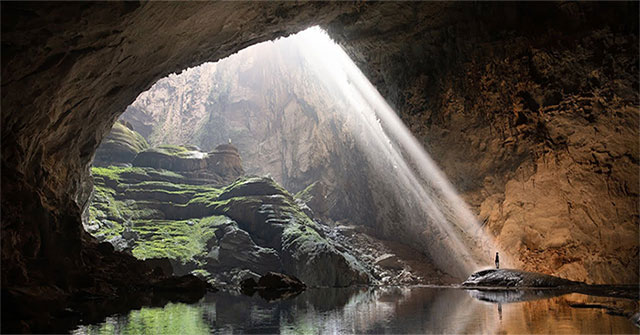
The world famous travel magazine CondeNastTraveler published an article introducing the 7 wonders of the world by Aaron Millar.
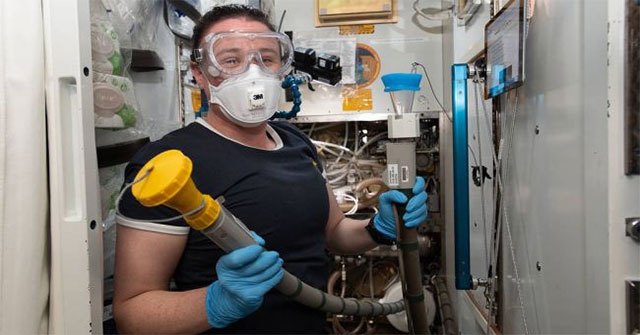
This is a new achievement for the space exploration industry when it is possible to reuse wastewater and prevent bacteria from spreading out in space.

Astronauts on the International Space Station (ISS) record a unique phenomenon when flying over the South Pacific.
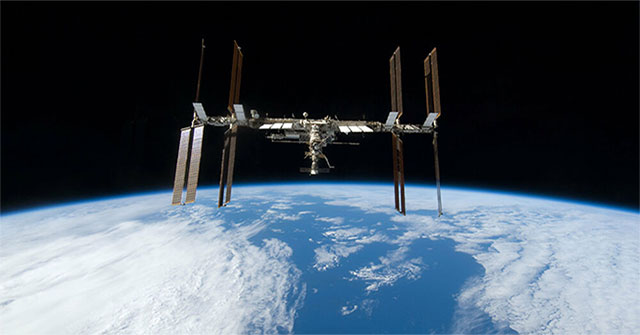
If you are wondering, it's true that we can bring the International Space Station (ISS) back to Earth, however, it will only be a mass of molten metal mixed alone!
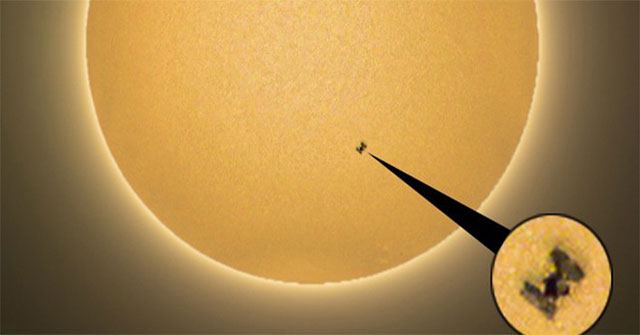
Amateur photographers find out the flight information of the International Space Station (ISS) and then use a regular camera to capture a unique moment.

On May 31, the Crew Dragon aboard SpaceX's Falcon 9 rocket approached the International Space Station, marking the first time a private ship successfully brought a man t…
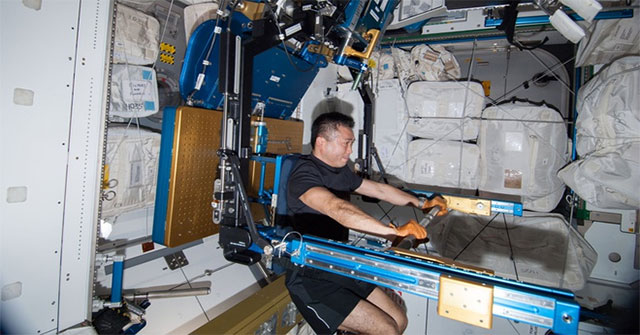
Living in a gravity-free environment, astronauts face the risk of osteoporosis, muscle loss and damage to the blood circulation.
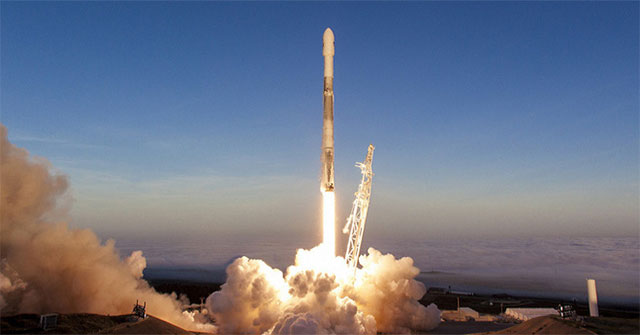
It is not the newer chips or a polished operating system, the old CPUs and the new Linux operating system are the factors that bring astronauts to outer space.
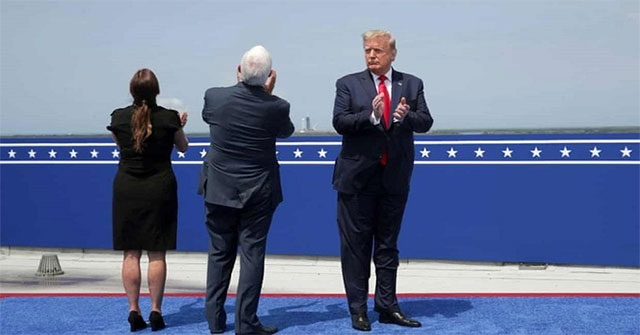
Falcon 9 rocket takes Crew Dragon into orbit from launch pad 39A at NASA's Kennedy Space Center in Florida at 2:22 pm on May 31 according to Hanoi time.
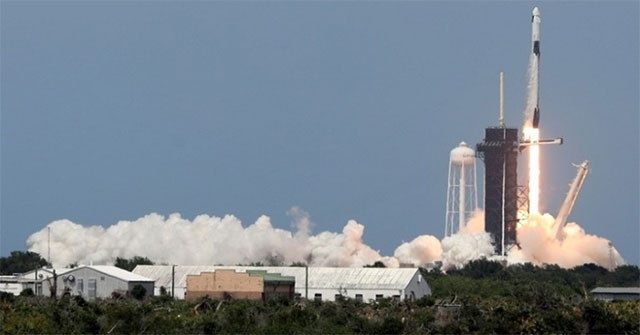
The flight of the two astronauts to the ISS station, jointly conducted by SpaceX and NASA, created a new turning point in the field of space travel.
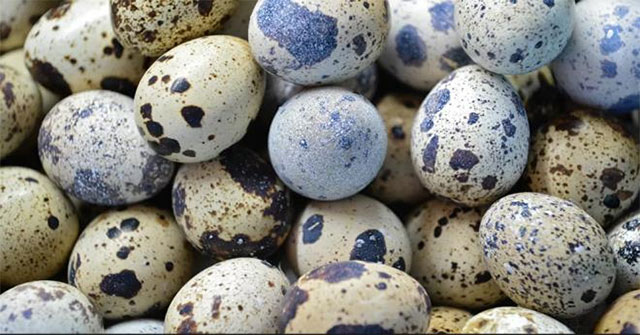
Russia is expected to send quail eggs and incubators to the International Space Station (ISS) next year to study embryo development.