Space science
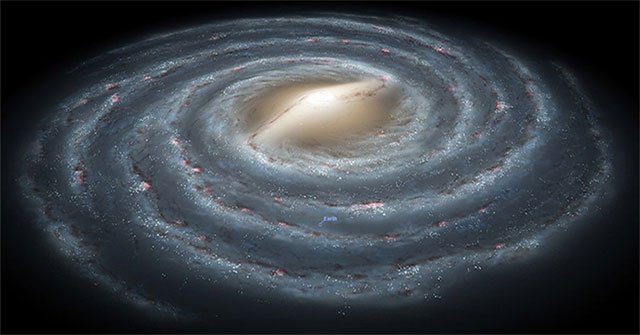
The Milky Way may be 1.9 million light-years wide
By finding the edge of the Milky Way, scientists can more accurately calculate its mass and the number of small galaxies surrounding it.
Browse ScienceInfo articles and explainers related to Light.
3,286 published items.
By finding the edge of the Milky Way, scientists can more accurately calculate its mass and the number of small galaxies surrounding it.
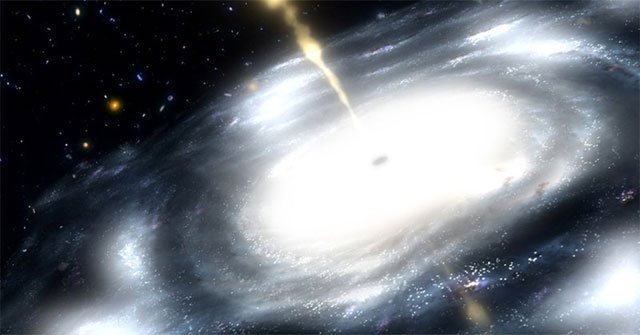
Thanks to the phenomenon of gravitational lensing, astronomers have observed the activity of a black hole in the center of the galaxy 11 billion light-years away.
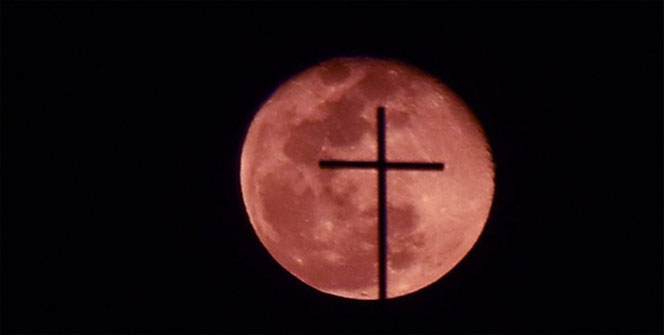
The biggest moon in 2020 will light up the sky on April 8, when the moon is full and very close to Earth.
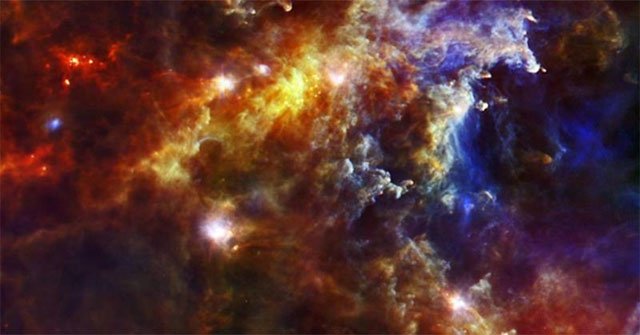
NASA has just released a stunning image of the Man Khoi Nebula 5,000 light years from Earth.

Many people who were hospitalized had to wear this clip on their fingers. But for what?
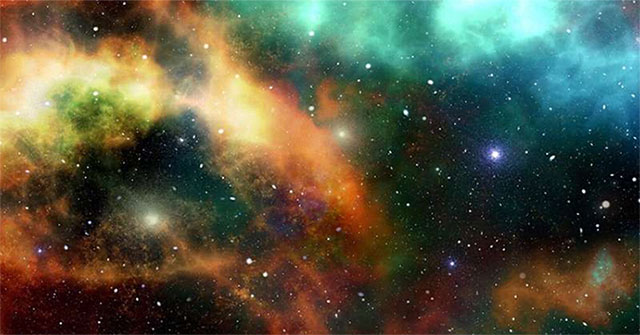
Photo taken from the world's largest optical telescope reveals the remains of a dead star in SDSS J115219.99 + 024814.4.
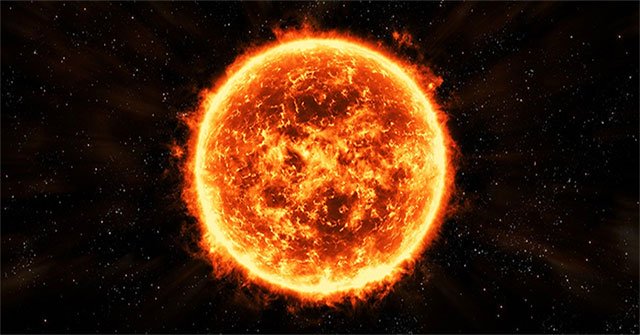
The sun is like a hot, dazzling fireball. Every hour it radiates a large amount of energy, emitting light and heat in the universe, including our Earth.

Clothes and fabrics become darker when wet because there is less light reflected from the material toward the user.

American scientists studying African hunter-gatherers have come to the conclusion that squatting or kneeling is more beneficial to health than sitting on a chair or sofa.
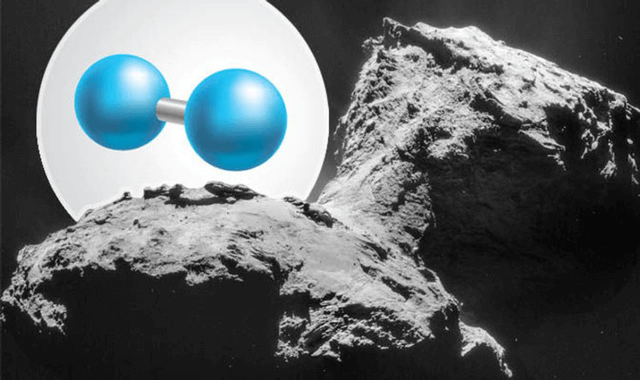
Researchers from the University of California, Riverside have developed a new technique that will use NASA's James Webb Space Telescope (JWST), scheduled to launch in 20…
Researchers have made breakthroughs in controlling terahertz quantum laser, which can move large amounts of data at 100 gigabits per second - 1,000 times the size of a r…
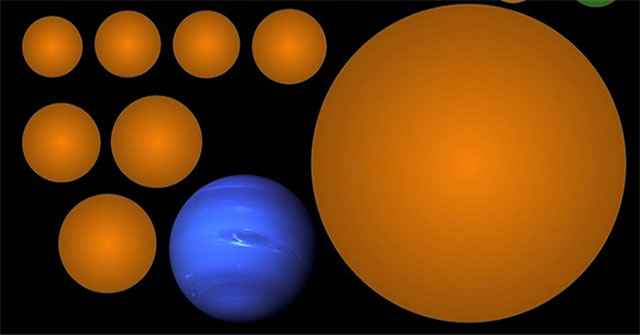
Planet KIC-7340288 b has the right conditions for life to exist, among the 17 newly discovered exoplanets.
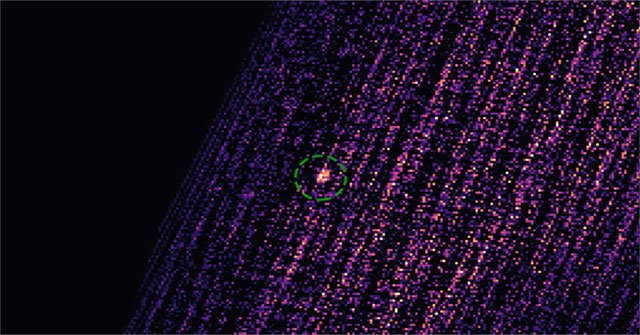
NASA accidentally captured an X-ray burst, a phenomenon that occurs when black holes suck matter from stars in the constellation Columba.
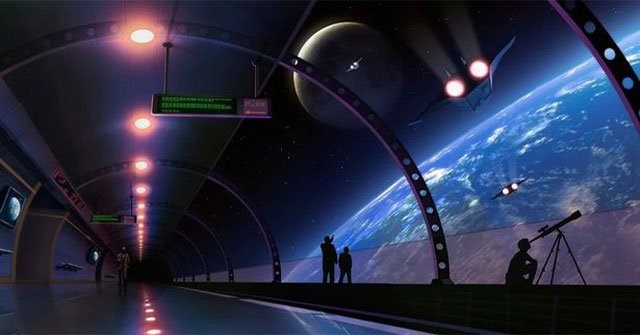
According to Manasvi Lingam and Abraham Loeb, two leading professors at Harvard University, supernovas can be used to push the speed of spacecraft to the speed of light.
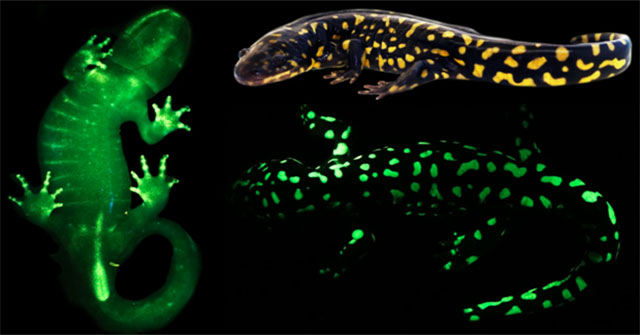
Amphibians that can glow in nature are not uncommon as many people think.