Space science
Chinese astronaut lectures in the universe
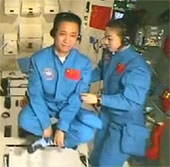
On the morning of June 20, astronaut Vuong A Binh, the second Chinese woman flying into space, gave a lecture on the earth's orbit.
Browse ScienceInfo articles and explainers related to Liquid.
455 published items.
On the morning of June 20, astronaut Vuong A Binh, the second Chinese woman flying into space, gave a lecture on the earth's orbit.
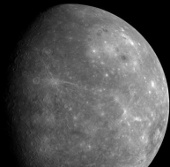
Mercury, the planet that is closest to the sun, may have owned a large ma-ocean ocean and curled up early in its 4.5-billion-year history.
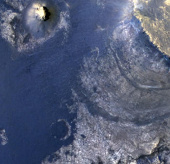
Mars once had environments that could have been more favorable to life than its present surface. Geological evidence shows that liquid water existed for long periods in…
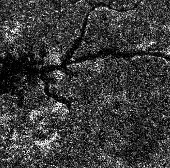
A version of the Nile on Saturn's moon appeared before the probe of the Cassini cruise ship.
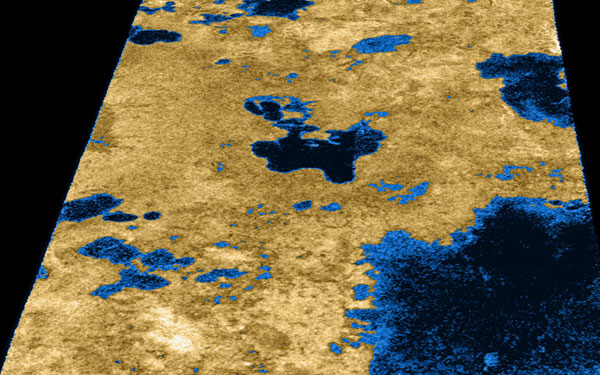
The US Aerospace Agency (NASA) said last week that data from the Cassini spacecraft showed that Saturn's moon Titan could contain a layer of liquid water beneath Titan's…
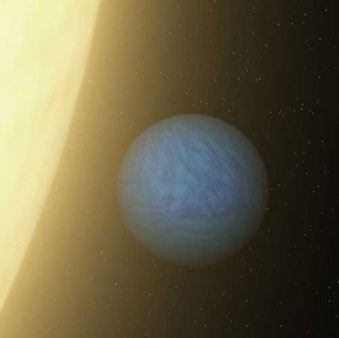
Light from a planet twice the size of the Earth has reached Spitzer's lens in an event known as astronomical achievement by astronomers. NASA's Spitzer Space Telescope c…

According to recent analysis results, in many places on Saturn's moon Titan, every 1000 years on average there is rain. But unlike the rain on Earth, the rain on this mo…
Scientists from the US Aeronautics Agency (NASA) found the Moon also has a liquid-like core like the Earth.
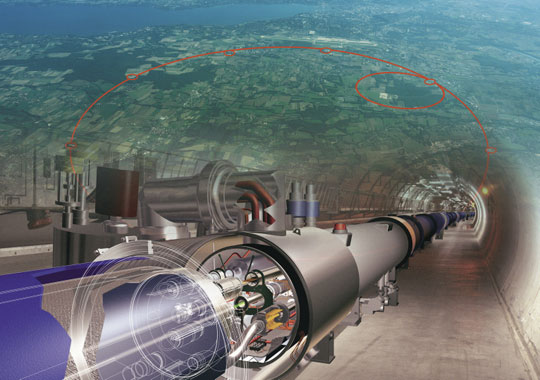
Right after the Big Bang, the universe was just a very hot liquid, with temperatures higher than 10,000 billion degrees C.

Hai Vuong Tinh and Uranus may be possessing liquid diamond oceans with icebergs with precious stones.

The US Aerospace Agency has just released a photo showing the presence of a liquid in the northern hemisphere of Titan, Saturn's largest satellite.

The new US space agency (NASA) has revealed that the form of water flowing on Mars is likely not the same as on Earth, but only the flow of mud.

Comets contain large amounts of liquid water in the interior for the first 1 million years of the formation process, a new study confirms.
Since the early 1990s, astronomers have found more than 300 planets orbiting sun-like stars, nearly all of which are giants like Jupiter.

What the Phoenix searched for appeared: on the remaining body of the ship were condensed water droplets, a sign of life that existed.