
Animal world
Unexpected facts about Koala bears
Koala bear, or koala (scientific name: Phascolarctos cinereus) is a mammal with a plant-eating bag that lives in Australia and is the only animal that still lives in the…
Browse ScienceInfo articles and explainers related to Mammal.
394 published items.
Koala bear, or koala (scientific name: Phascolarctos cinereus) is a mammal with a plant-eating bag that lives in Australia and is the only animal that still lives in the…
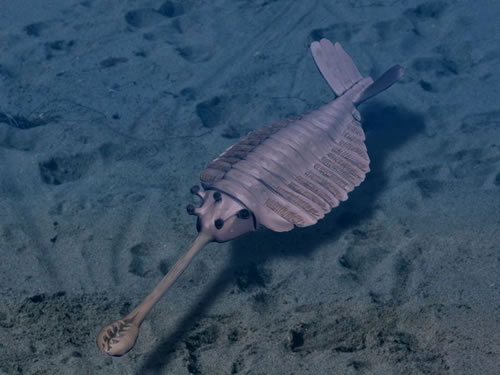
In fact, during the development of animals on Earth, there are many more exotic ancient animals than dinosaurs.
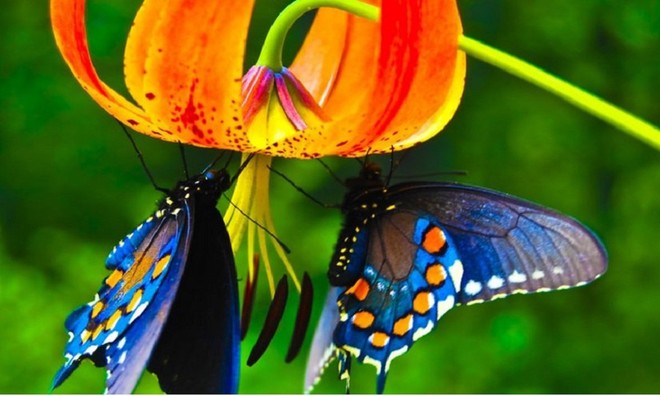
Each animal possesses a characteristic that makes it difficult to confuse in nature.
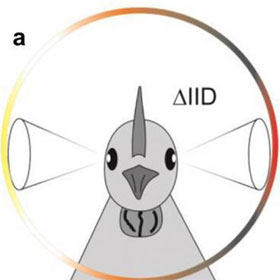
Birds have the ability to hear noises in their habitats without using external ears like mammals, thanks to a special head structure.
Platypus is a species that combines many characteristics of other species such as the flat tail of beaver, webbed legs like seals and oversized ducklings.
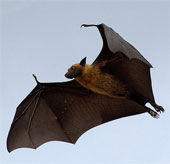
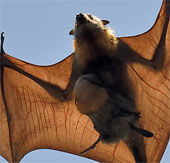
Crows bats in Ca Mau have the scientific name of Pteropus vampyrus. This is a rare mammal in the list of protected species of the International Wildlife Protection Organ…
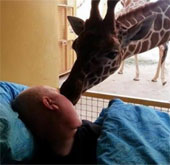
The giraffe approaches the caregiver who is paralyzed in a sick bed and bows lightly on his face as a farewell to the last meeting.
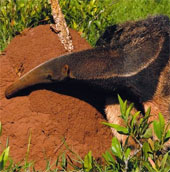
Giant anteater is also known as ant bear. The animal with this extremely interesting form has the scientific name of Myrmecophaga tridactyla.
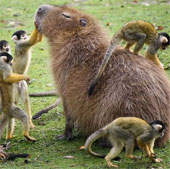
Giant rats, with the size not less than sheep, can appear on the surface of the Earth in the future if they know how to take advantage of other mammals extinct.

Scientists believe that an immortal freshwater invertebrate species and some other species will live longer and healthier.
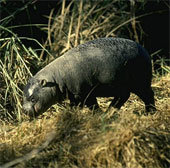
Hippopotami dae, is a mammal herbivore of about 5kg at birth and 150kg when mature, only 1/10 of the weight of a hippopotamus relative.
Scientists have discovered a very interesting thing: All mammals urinate within the same time period.
The number of animals living on Earth is declining rapidly, especially mammals, when about one fifth of animals are at risk of extinction.
Biologist Snell-Rood from the University of Minnesota and colleagues studied the skulls of 10 different mammals, from which he considered their adaptation to the urban e…
US and Bangladeshi scientists say mammals now carry up to 320,000 different species of viruses and many viruses can spread to humans, becoming pandemics.