Conquer Mars
NASA Robot Has Arrived at the 'Last Shelter' of Alien Creatures?
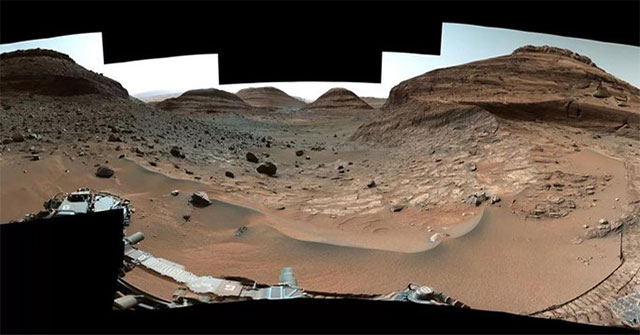
Interplanetary space images that have returned to Earth show a vast sand field quite similar to Earth, which NASA has revealed once had flooded streams and lakes.
Browse ScienceInfo articles and explainers related to Mars.
1,602 published items.
Interplanetary space images that have returned to Earth show a vast sand field quite similar to Earth, which NASA has revealed once had flooded streams and lakes.
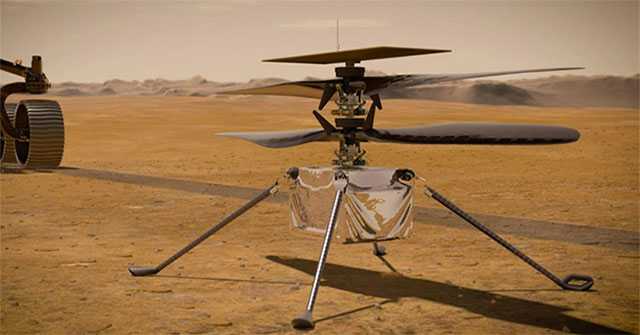
A strange object shaped like a piece of toilet paper has appeared in NASA images taken from Mars.
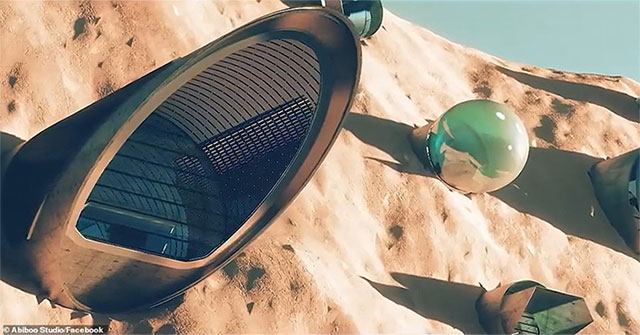
As humans continue to explore Mars, plans to build sustainable cities on the Red Planet have emerged.

The minimum number of people could be even lower - but that can only be successful if the participants can maintain mental stability.
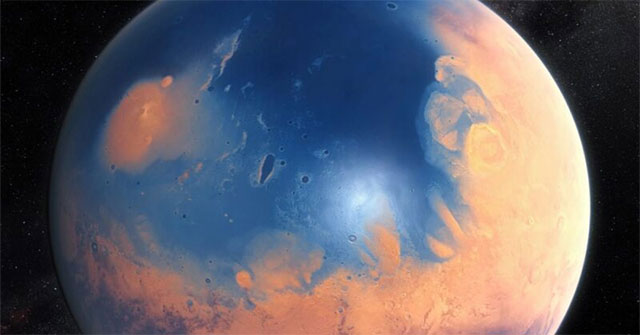
Cosmic treasures accidentally sent to Earth by another planet have revealed an ocean at least 300m deep, existing 4.5 billion years ago and teeming with the building blo…
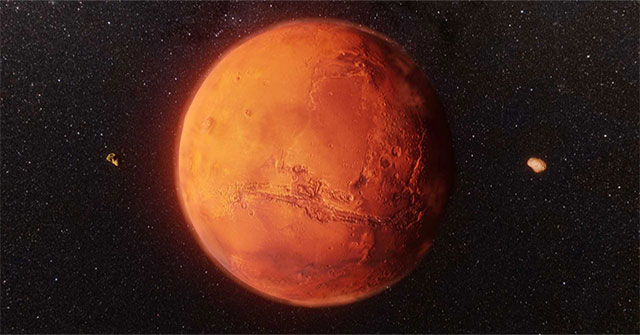
Although Mars may be some 225 million kilometers away from Earth, the planet is already affecting the climate where humans live, according to new research.
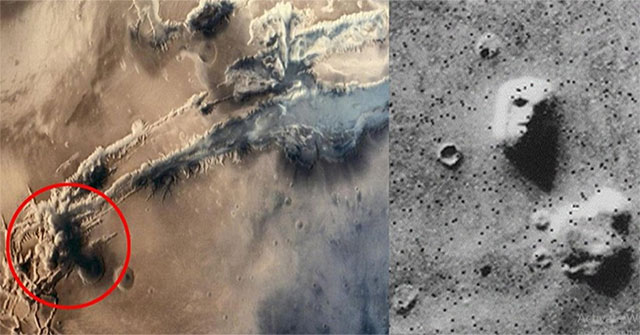
The hypothesis of nuclear war on Mars appeared quite a long time ago.
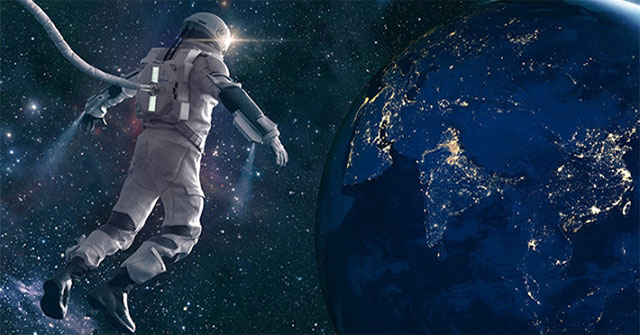
Living on Mars is already dangerous and difficult with many environmental challenges. Unfortunately, if you die on Mars, your body will become a natural mummy.

Unlike on Earth, Martian dust storms are weaker and smaller, but play an important role in transporting dust across the planet.
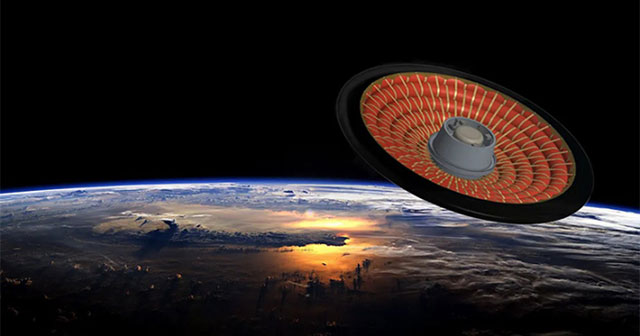
The US space agency plans to launch a giant inflatable deceleration plate into low Earth orbit early next month.

The United Arab Emirates' Hope space probe has captured the first high-resolution images of Mars' moon Deimos.

According to Science Alert, scientists have discovered that the structure of Mars' core is quite similar to Earth's core. However, it is somewhat more compressible and l…
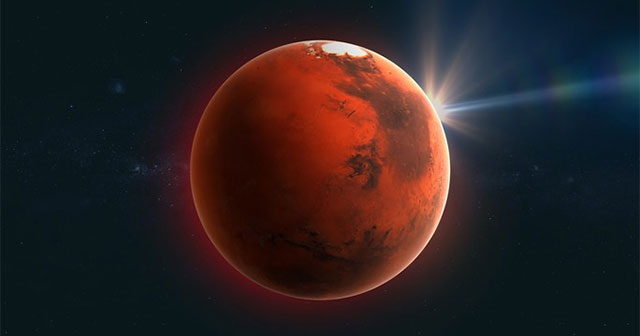
Scientists have found a possible explanation for how a mass extinction occurred on a planet that NASA, ESA and many other space agencies believe must have life.
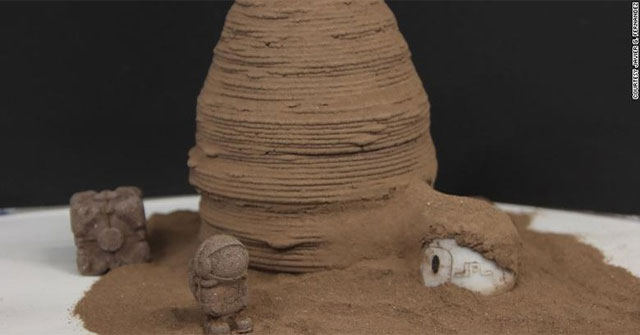
A simple manufacturing technology based on chitin, one of the most common organic polymers on Earth, could be used to build tools and shelters on Mars.