New technology
10 breakthrough technologies in 2016
Reusable missiles, self-driving cars, immune intervention techniques are just a few of the many technologies that can change the world in the near future.
Browse ScienceInfo articles and explainers related to Medical.
925 published items.
Reusable missiles, self-driving cars, immune intervention techniques are just a few of the many technologies that can change the world in the near future.

New magnifiers have been discovered by early scientists to detect cervical cancer early.
A new type of sound wave that has just been successfully developed for the first time in 50 years has revolutionized the use of stem cells in the treatment of disease.
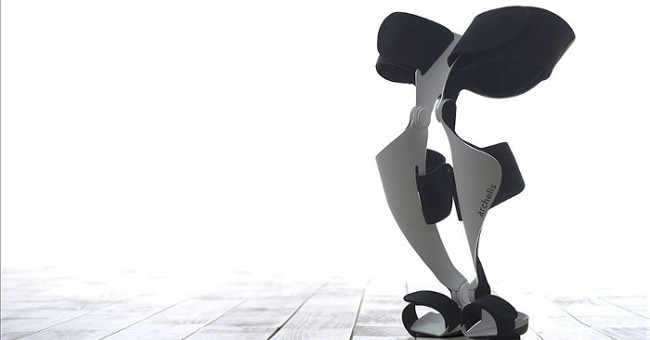
Japan is a country with many breakthrough initiatives that help improve the quality of life for people.

By using two cameras attached to a pair of eyeglasses to record images in real time and transfer information directly to the brain, scientists have created a
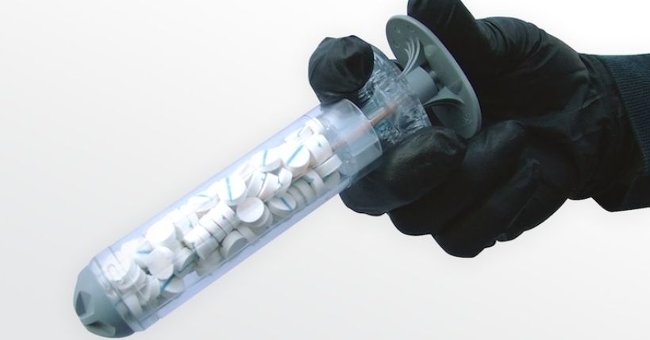
When used, these absorbent tablets will expand 10 times larger and block the wound, preventing haemorrhage in less than 20 seconds.
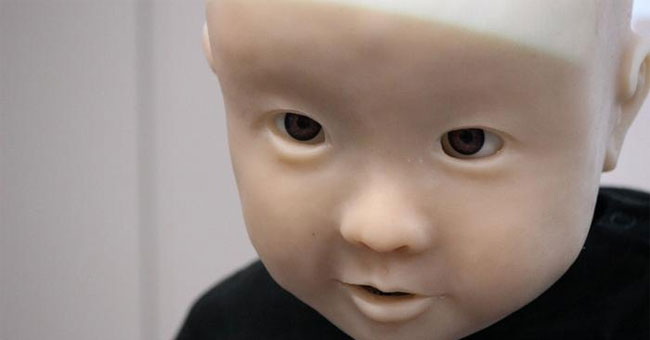
Robot replacement for the real nurse? Most Germans do not like this idea, however, in Japan, this has become a reality and has become popular.
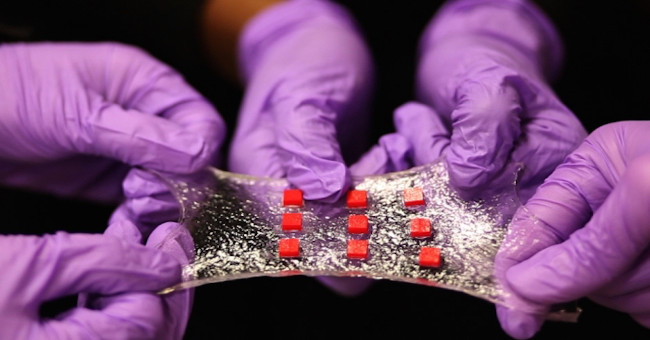
When the wound is in the correct position of the joint, the medical patch will always peel off. In the future, this will never happen again.
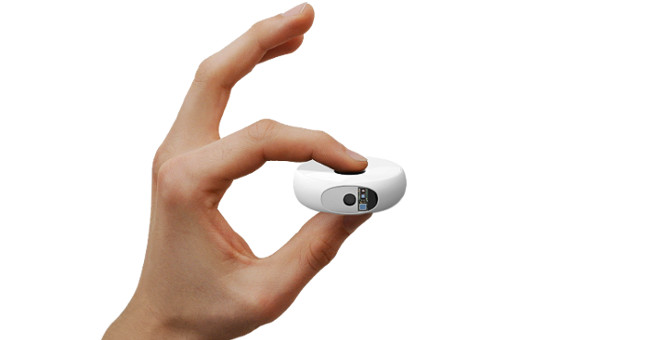
In the future, people can detect many diseases at home early with simple kits that check blood, sweat or even earwax, feces.
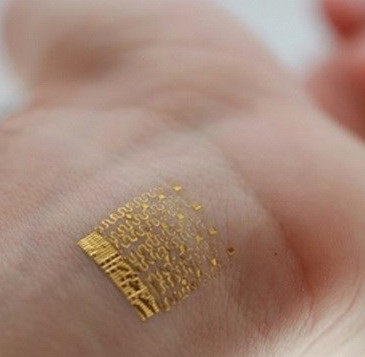
Japanese researchers have developed a super-thin temperature sensor that can be attached directly to the skin.
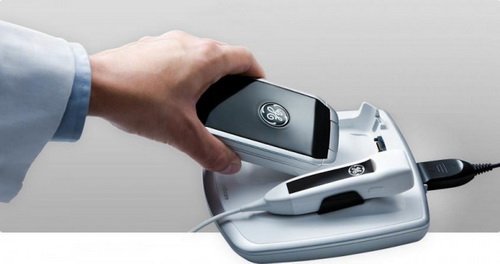
From engines that run on garbage to guns made from fat, devices from sci-fi movies ...
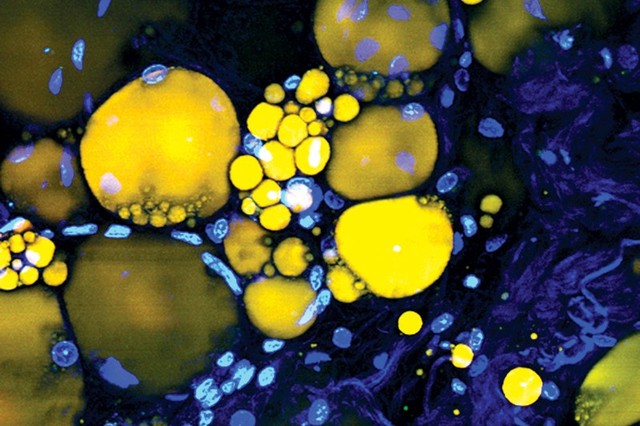
A team of researchers at Harvard Medical School has developed three different ways to turn individual cells into lasers that can emit light when stimulated.

For the first time in medical history, McMaster University scientists can use adult blood cells and convert it into neurons (both central and peripheral).
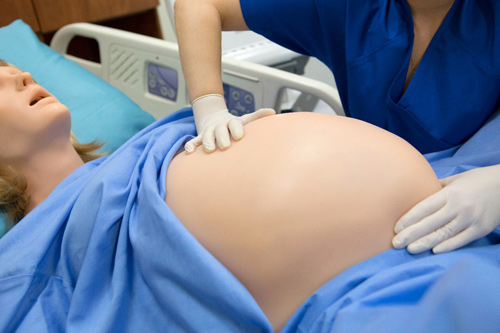
In the manufacturing plant on the southern edge of Miami, Florida, the engineers are researching and modeling pregnant women, an important medical tool.
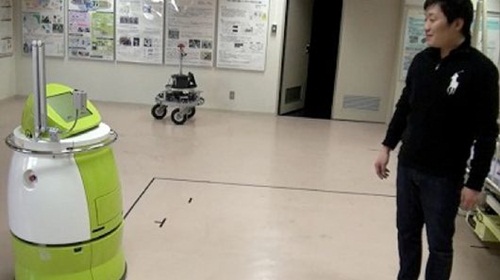
Japanese scientists have successfully created a self-propelled robot that can replace traditional medical stretcher in hospitals.