1001 mystery
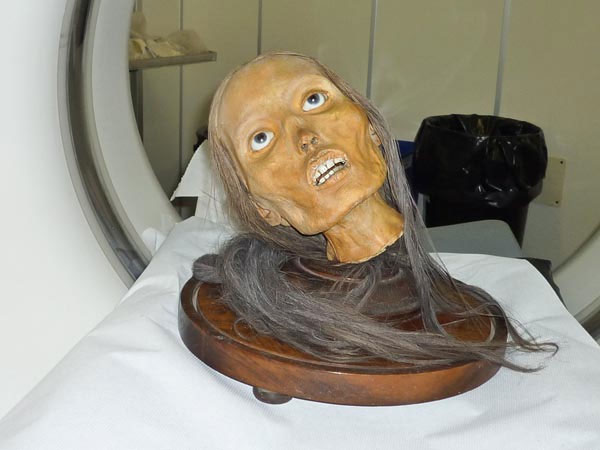
Secret inside the skull of the mummy of the 19th century
Italian scientists analyzed, took CT scans of nineteenth-century mummies at the mummy museum, and found many secrets regarding the mummification of this period.
Browse ScienceInfo articles and explainers related to Mercury.
228 published items.
Italian scientists analyzed, took CT scans of nineteenth-century mummies at the mummy museum, and found many secrets regarding the mummification of this period.
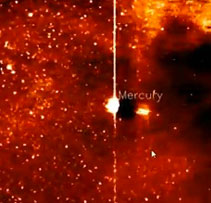
Many people believe that the image of an object emitting electromagnetic waves recorded by Nasa's STEREO spacecraft is probably a giant stealth spacecraft anchored on th…
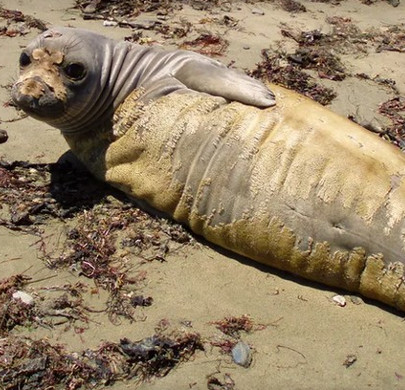
For the first time in the past 20 years, the scientific community has been able to confirm: Mercury is the cause of widespread seawater pollution, leading to the situati…

The giant swordfish weighed nearly 310kg soon after being sold to a market by a trader.

The Maine State Institute for Biodiversity Research (USA) has reported that up to 84% of fish worldwide contain a significant amount of mercury to human health, accordin…
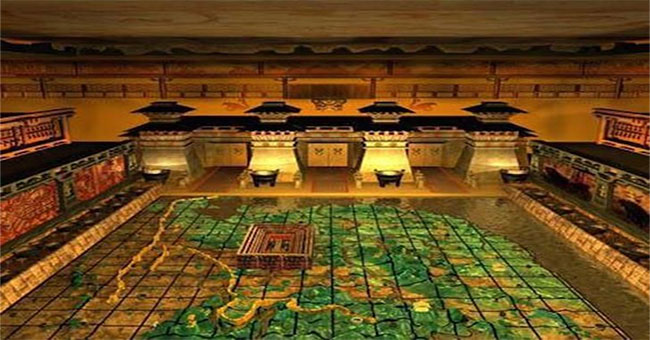
According to Ancient Origins, 2,200 years ago, Emperor Qin Shihuang was the first person to unify China, after the Warring States era.
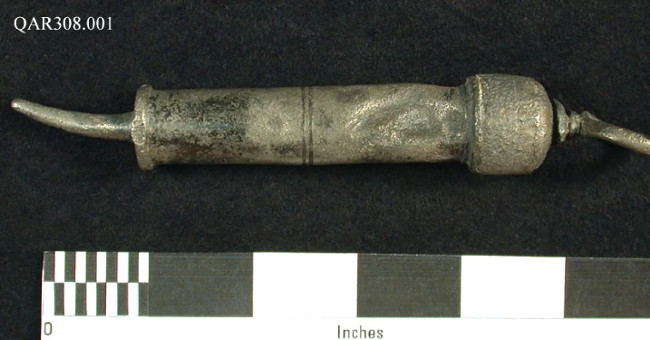
Blackbeard is one of the most notorious pirates in the world. His real name is Edward Teach (or possibly Thatch).

The mummy excavated more than 40 years ago in the city of Basel - Switzerland has recently been confirmed by scientists as the remains of Anna Catharina Bischoff.
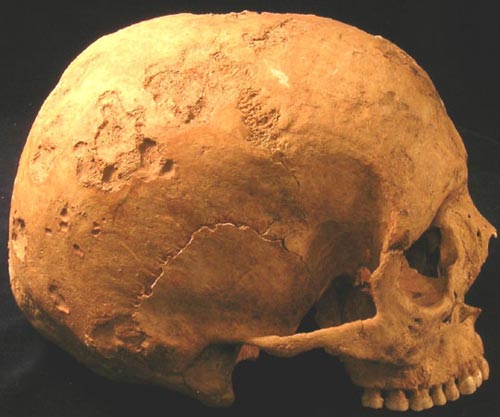
Medieval bones from six different Danish cemeteries show that clergy - those who write the Bible and other religious documents - may have been exposed to toxic mercury,…

Mercury or Mercury is the smallest and closest to the Sun of the Sun's eight planets, with an orbital cycle of 88 days on Earth.
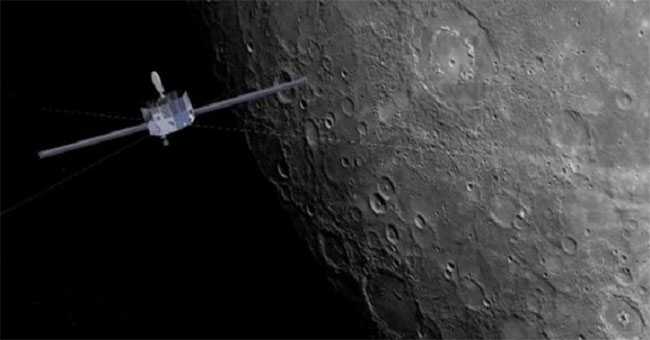
BepiColombo spacecraft between Europe and Japan is scheduled to launch into space to explore mysterious Mercury in October, the European Space Agency (ESA) said.
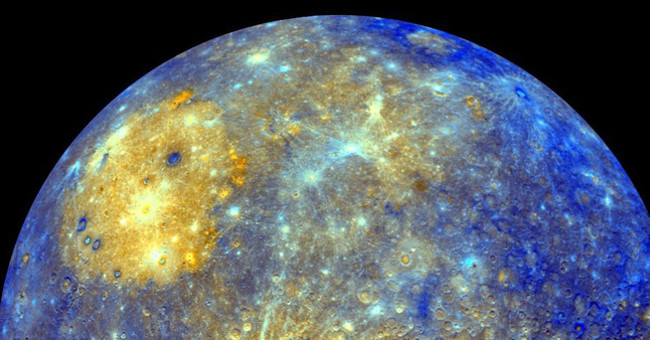
Mercury is the first planet from the sun, and the smallest of 8
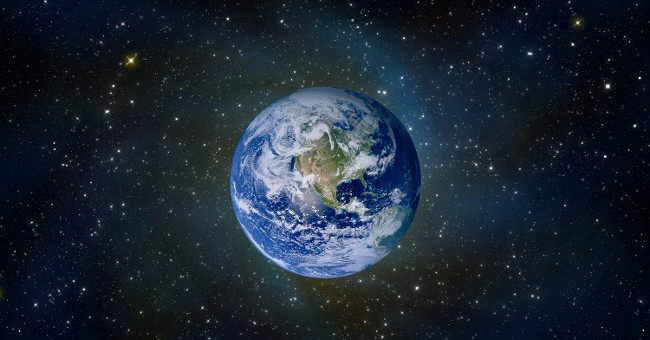
The majority of celestial bodies orbit the Sun, and the mass focuses primarily on eight planets with nearly circular orbits and closely spaced orbiting planes known as t…
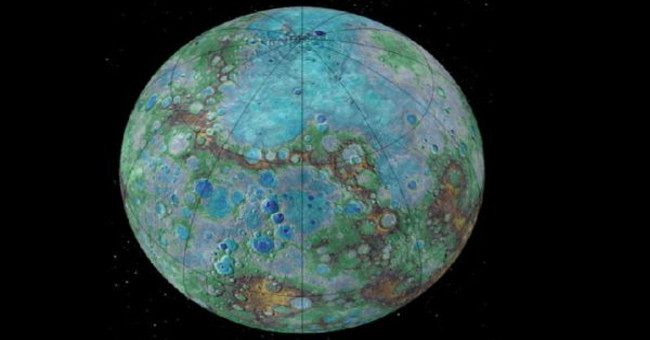
The mysterious planet was discovered by a group of global astronomers including the University of Warwick.
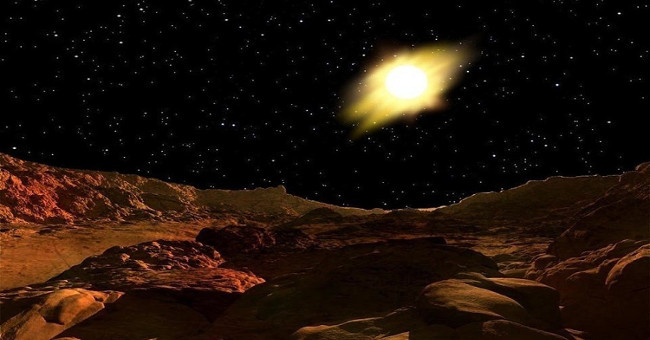
Based on the distance between the Sun and planets, Ron Miller, an American illustrator, creates vivid images that show the shape of the Sun when viewed from another plan…