Space science
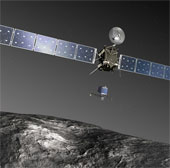
ESA re-activated the comet probe Rosetta
Launched in March 2004 on Ariane 5 G + rocket from Kourou, Guiana island, Rosetta was assigned to catch up and fly around comet 67P / Churyumov-Gerasimenko.
Browse ScienceInfo articles and explainers related to Meteorite.
736 published items.
Launched in March 2004 on Ariane 5 G + rocket from Kourou, Guiana island, Rosetta was assigned to catch up and fly around comet 67P / Churyumov-Gerasimenko.
The NEOWISE probe (new name according to WISE's mission to detect dangerous objects near Earth) has sent to the first test images.
The Russian scientist is one of 10 people in 2013 who changed the picture of the world. All thanks to the study of meteorites falling on February 15 from the atmosphere…
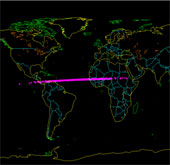
Astronomers say a small meteorite plunges into the atmosphere of Earth on January 2, after being discovered just a day earlier.
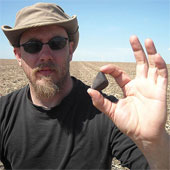
A rare meteorite was formed shortly after the pictorial solar system was forgotten for 140 years.
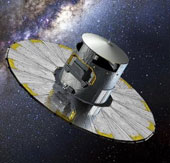
Gaia telescope has been launched thanks to the Soyuz-STB-Fregat rocket rocket from the Guyana space center of France.
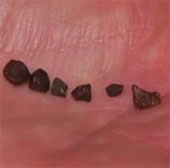
The rare accident happened when a boy playing outside was caught by a meteorite.

A Martian meteorite discovered in the Sahara dates back about 4.5 billion years and may contain secrets of life that once existed on the Red Planet.
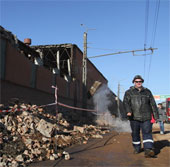
On November 6, researchers from the Czech Republic and Canada reported that meteorites fell on Chelyabin province in central Russia in mid-February, bigger and heavier t…
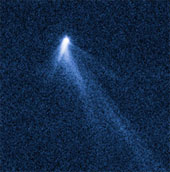
The Hubble telescope's image study, scientists said they saw an
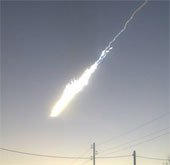
A study published in Nature confirms the risk of meteorites crashing into the earth as a meteorite explosion in Russia was much larger than previous forecasts.
Russian space agencies are studying a plan to deal with a giant meteorite that threatens to attack Earth in 2023.
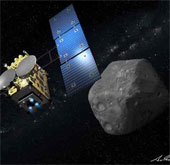
Japanese scientists have successfully tested a cosmic cannon used to bombard meteorites in search of the origin of the planets.
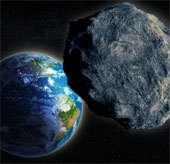
The United Nations General Assembly (UN) has just approved a plan to set up a team responsible for warning and dealing with the risk of meteorites hitting the earth.
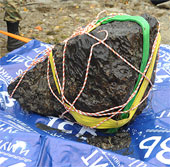
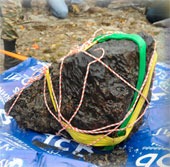
Russian scientists picked up a giant meteorite from the bottom of Lake Chebarkul on October 16 in February.