Photo library
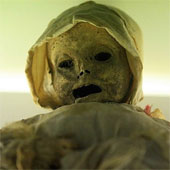
The world's most horrifying corpse museum in Mexico
Each week, this mummy museum in Guanajuato (Mexico) attracts about 4,000 visitors.
Browse ScienceInfo articles and explainers related to Mexico.
290 published items.
Each week, this mummy museum in Guanajuato (Mexico) attracts about 4,000 visitors.
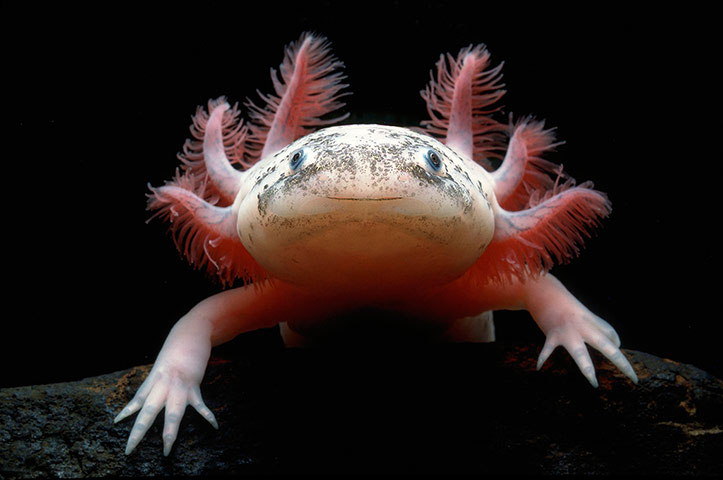
Phytoplankton rushed to mate, hard-dry crab carcasses on the lake surface drought, chickens spread wings cover rain for children, walking fish, swimming shape of tomato…
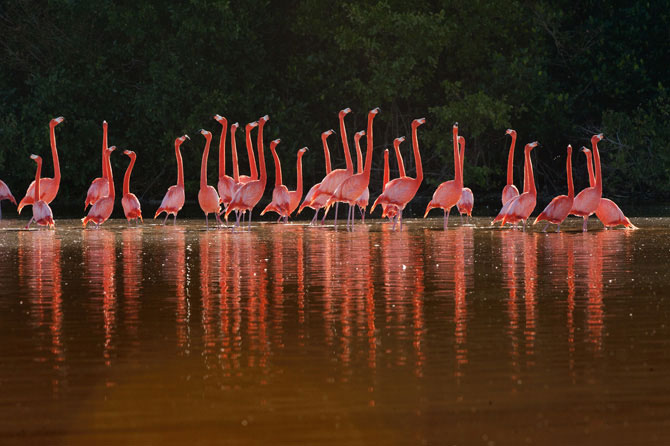
Flamingos in Sisal, Mexico. Several reproductive groups live near the Caribbean and beyond.
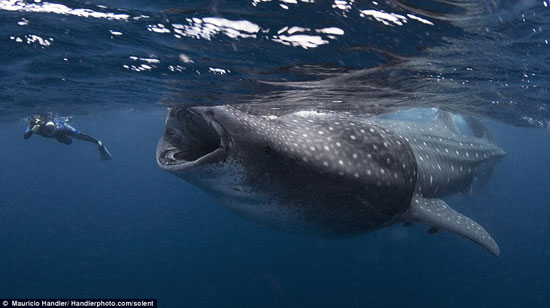
These photos were taken while there were more than 600 whale sharks gathering in the Mexican sea to eat tuna eggs.
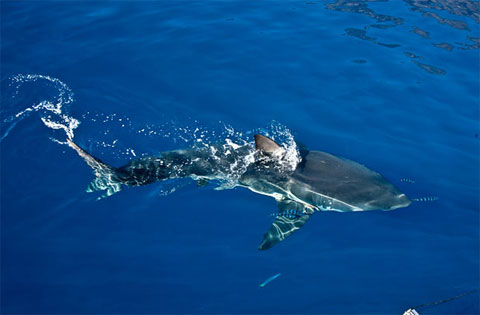
Giant white sharks appear to be quite calm in the face of humans off the coast of Mexico.
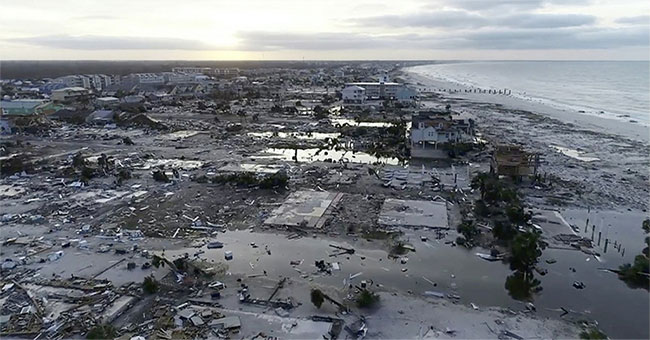
According to The Guardian, the entire coastal area in Northwest Florida was destroyed after one of the strongest storms in decades - Michael landed at level 4/5, wind po…
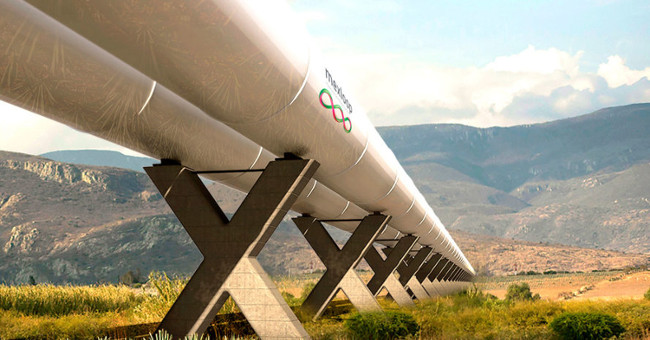
Mexloop's transport system is expected to shorten the current travel time between two central Mexican cities from 6 hours to 40 minutes.
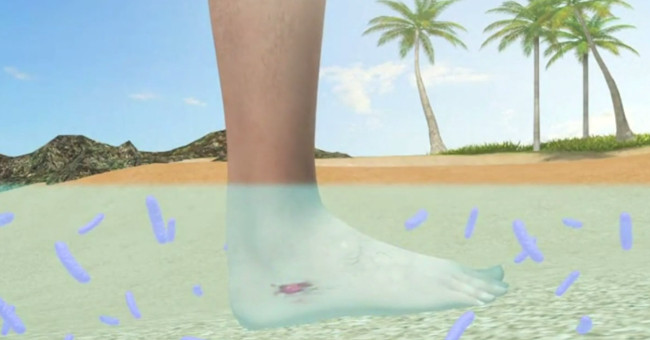
Human-eating bacteria can enter the body through an open underwater wound or eating seafood on the bottom.
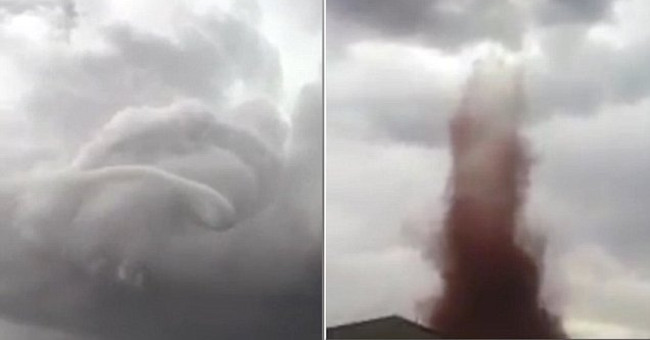
The red dragon hose swept across a town in Mexico, frightening many locals.
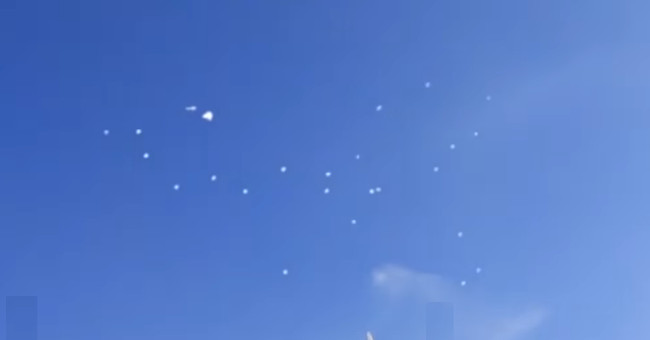
The video captured the image of a group of UFOs glowing in the US-Mexico border sky removed after being posted on social networks, causing many doubts.
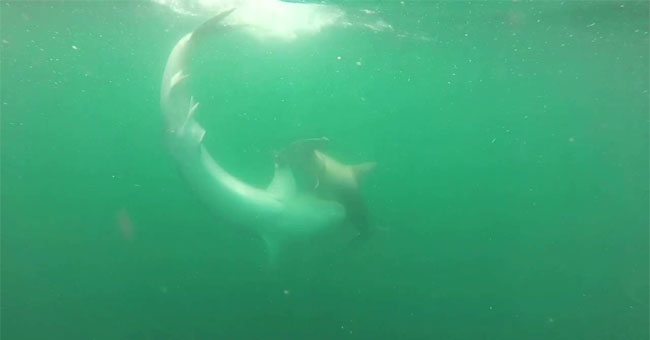
A video shot by GoPro by Pelagic Charters in the Gulf of Mexico, outside of Venice, Louisiana, USA shows the battle between two sharks, one on the head of a hammerhead a…
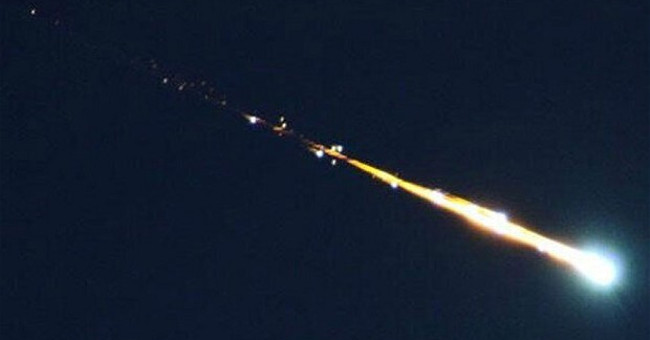
The video posted on SkyAlert recently showed a glowing fireball accompanied by loud bangs in five different states in Mexico on the night of May 23.
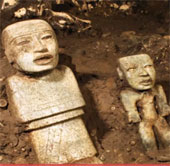
About 50,000 ancient relics have been discovered by archaeologists inside a sealed tunnel nearly 2,000 years ago.

This is one of the proposals for scientific and technological cooperation during the visit and working with Hoa Lac High-Tech Park (CNC) on January 13, 2012 by the Presi…

Arturo Álvarez Buylla has become the first Mexican to be awarded the Spanish Asturias Prince Award in 2011 for science and technology.