
Medicine - Health
Human brain stem cells
Human brain stem cells, after being implanted in the brain of newborn babies, can develop and act like mouse brain cells.
Browse ScienceInfo articles and explainers related to Mice.
834 published items.
Human brain stem cells, after being implanted in the brain of newborn babies, can develop and act like mouse brain cells.

Scientists at the University of California have explained the nature of laziness and, according to them, is a heredity.

American scientists claim that the two parents can still have a common child is no longer a fantasy but a prospect of reality.
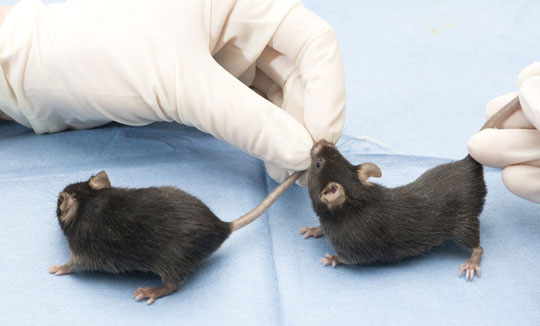
French scientists have discovered fat tissue of mice that can produce immune cells against allergies and inflammation.

Komsomolskaya Pravda newspaper decided to do experiments with products bought by Mc Donald's fast-food store in Moscow to see if the sausages were damaged ...
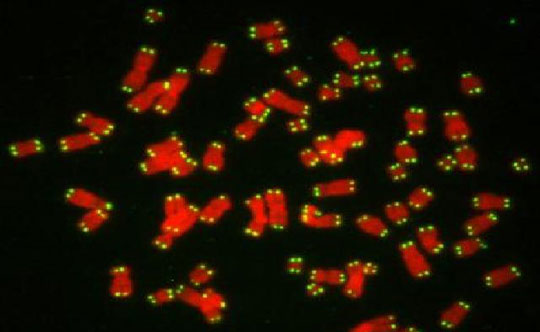
US scientists have just announced that they discovered the secret of immortality in an evaluated study that could pave the way for the birth ...

According to the scientists, the overactive FTO gene causes children to eat too much, thereby leading to obesity.
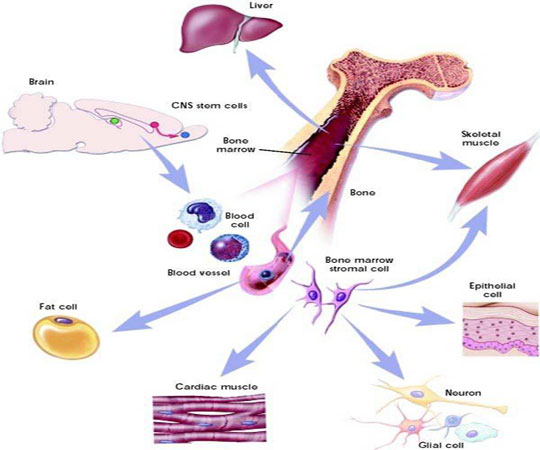
Grafting stem cells into experimental mice with thigh muscle injury showed that muscle muscles recovered faster and stronger before injury.

A diet rich in harmful sweeteners, such as high-fat foods, can adversely affect the health of both people of average weight.

Scientists have found that it is possible to permanently erase damaged memories in mice through the removal of a protein strain in the brain.
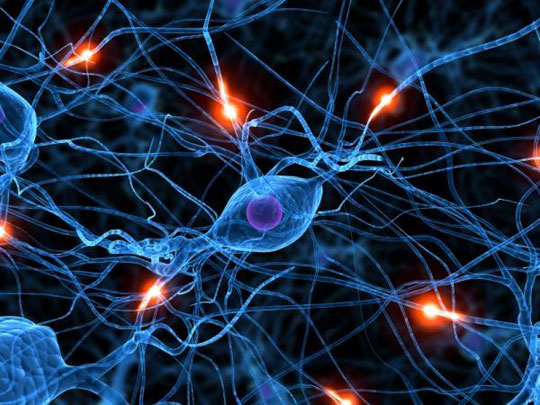
When fibroblasts activate FAP protein, it will work to prevent body immune cells from attacking cancer cells.
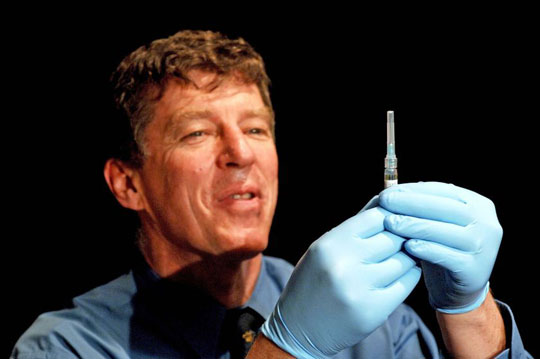
Researchers at Cambridge University (UK) are working hard to create a revolution in cancer treatment after discovery ...

A recent study by scientists at Monastir University (Tunisia) shows that olive oil also has an effective protective effect on the liver.
Scientists identify: the time you eat also plays an important role as what you eat during the day, because when you stay up late and expose to the light in the night, yo…
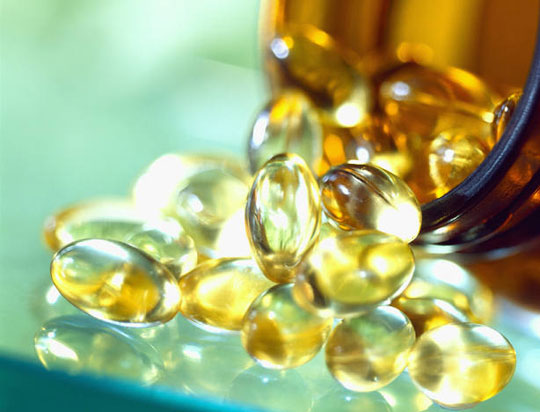
Australian scientists say recent vitamin E therapy may help to survive prostate cancer.