
Medicine - Health
Interrupted sleep is harmful to memory
A new study by American scientists found that interrupted sleep will negatively affect the ability to form memories.
Browse ScienceInfo articles and explainers related to Mice.
834 published items.
A new study by American scientists found that interrupted sleep will negatively affect the ability to form memories.
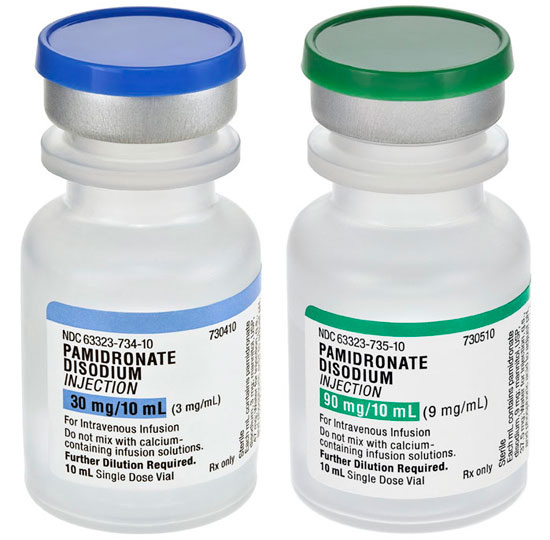
Researchers at the University of Hong Kong have discovered a drug that can treat bone diseases to become a

Diets low in carbohydrates and high in protein can reduce the risk of cancer and slow the growth of tumors.
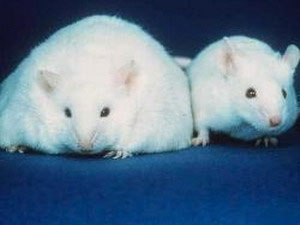
A new anti-obesity vaccine by restraining hormones that stimulate ghrelin appetite, leading to reduced intake of food and increasing calorie consumption in mice, has bee…

Scientists at Milan University (Italy) have learned how to extend life by 12%. The first experiments conducted on mice confirmed the results and started testing for huma…
Use glucose energy to nourish insulin-producing cells. One tablespoon of glucose can be a solution for treating diabetes.

A new hope opened up for infertile men after scientists from Yokohama University (Japan) for the first time successfully cultured sperm in vitro.

Experiments on mice can explain the charm of a bitter-flavored appetizer, possibly a small glass of brand-name Pernod or Ouzo, that is taken before dinner to stimulate t…
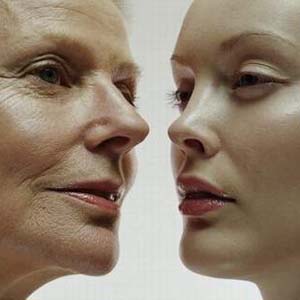
Recent studies by American scientists to repel the aging process have opened the door to human longevity.

Australian researchers have discovered that a lack of vitamin D can cause lung function decline and changes in lung development.

According to researcher Woody Hopf, chlorzoxazone works to effectively prevent alcohol abuse in patients, without leading to adverse or unpleasant side effects.

A group of researchers at the Arab Biology Company (ABC) has announced the successful development of a drug that includes several camel and urine extract compounds for c…

American scientists have discovered the gene that makes a gentle person become aggressive and aggressive after drinking alcohol.
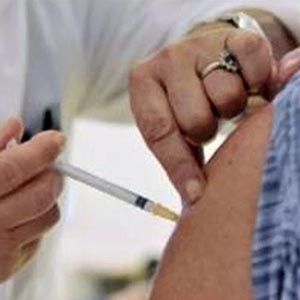
The discovery of a vaccine that blocks the effects of cocaine on rat brains can lead to human drug addiction therapies.
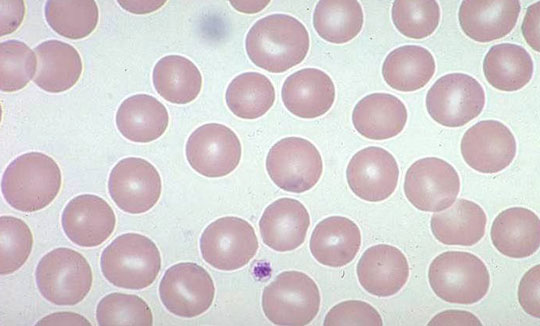
Scientists at the Royal College of London, UK, have published a report on how to reverse leukemia caused by the MLL gene.