Scientific application
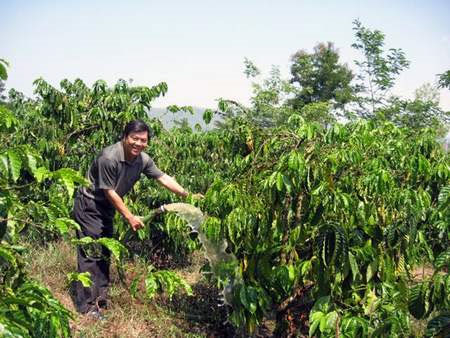
Subtract diseases on coffee with probiotics
Except for more than 80% of nematodes in the soil, more than 90% of nematodes on roots, limited to 55% of yellow leaf disease, help restore plants to increase productivi…
Browse ScienceInfo articles and explainers related to Microorganisms.
148 published items.
Except for more than 80% of nematodes in the soil, more than 90% of nematodes on roots, limited to 55% of yellow leaf disease, help restore plants to increase productivi…
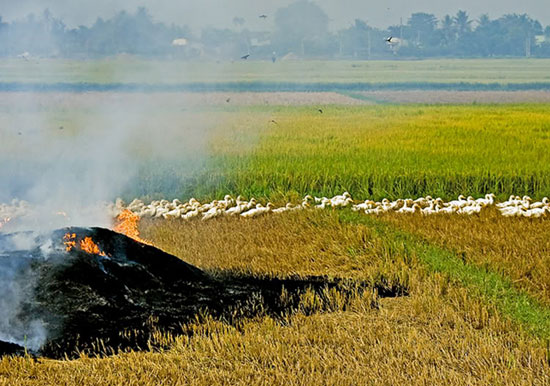
Straw should not be burned but can use microbial products to be able to decompose quickly and become organic fertilizer that contributes to environmental protection, a b…
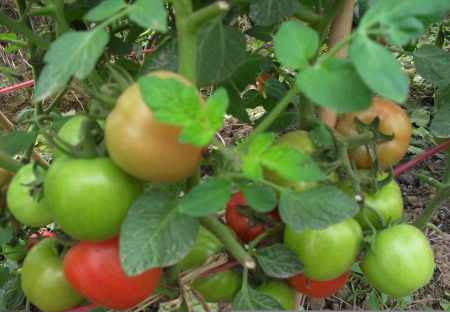
Center of Biological Engineering Application (Vietnam Union of Science and Technology Associations) has just studied and successfully applied and produced EM biological…
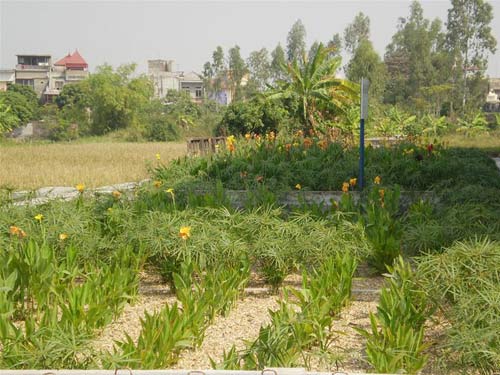
The DEWATS model at Kim Bang Hospital - Ha Nam is a model for dispersing waste water through the use of microorganisms in wastewater or natural processes, without using…
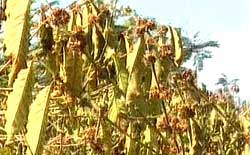
Recently, Prof. Dr. Tong Kim Thuan and scientists from the Institute of Biotechnology (Vietnam Academy of Science and Technology) have studied using microorganisms with…
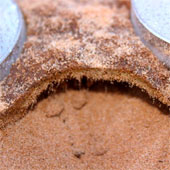
Global warming can affect the survival of soil microorganisms, and the consequences are still unknown to soil fertility and erosion.
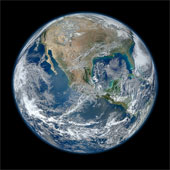
Martin Brasier, a professor of earth science at Oxford University in England, and his colleagues studied biochemical processes on Earth from 1.9 million years ago.
The excess of the permissible limits of carbon dioxide in the earth's atmosphere is due to the widespread use of fossil fuels, which is the main cause of global climate…
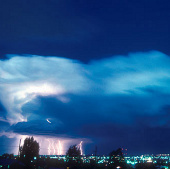
The research report, published in the journal PLoS One, revealed that hail particles pouring down from storm clouds nourish a variety of bacteria that tend to reside in…
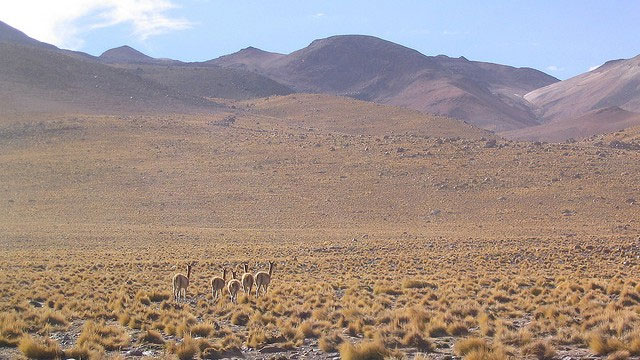
Researchers from the Spanish Center for Astrophysics and the Catholic University of Northern Chile have discovered a 2-meter underground micro-oasis under the surface of…

For the first time, experts sent an expedition to study the Dead Sea. Accordingly, they discovered a source of water from the giant crater along with some other bacteria…
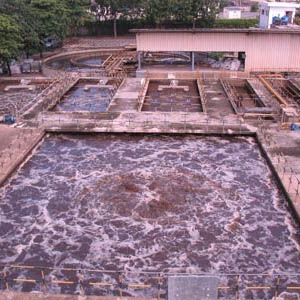
The Department of Environmental Microbiology - Institute of Environmental Technology has isolated and selected 30 bacteriophage strains and 20 thermophilic bacteria stra…

The Oceanographic Research and Development Agency Japan has embarked on the development of a technology to turn carbon dioxide emissions (CO2) into natural methane gas.

Can the smallest species of nature help us reduce high levels of CO2 and even oil spills? It may seem strange, but the answer is yes.

Nikon organizes an annual contest to look for the best photos to capture the world of microorganisms, viruses and microscopic objects under the microscope's magnificatio…