Space science
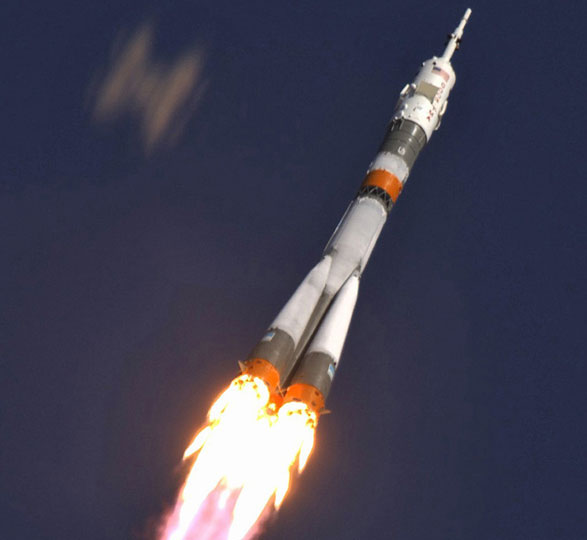
Russian rocket launcher Soyuz carries 6 satellites
A Russian Soyuz rocket on December 16 left the launch pad at the European space base in French Guiana, carrying six low orbit satellites for the military and defense ind…
Browse ScienceInfo articles and explainers related to Missile.
708 published items.
A Russian Soyuz rocket on December 16 left the launch pad at the European space base in French Guiana, carrying six low orbit satellites for the military and defense ind…
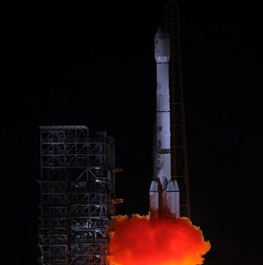
China successfully launched Nigeria's NigComSat-1R satellite into orbit today.
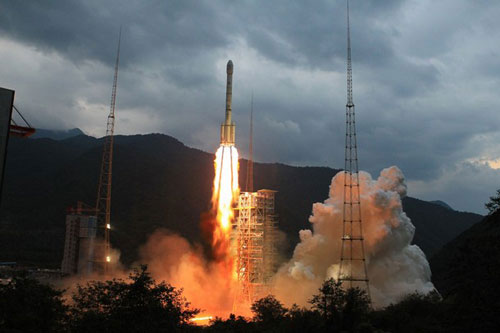
China on this morning (December 2) successfully launched the 10th positioning satellite into space, completing one third of the way to build its own global positioning s…
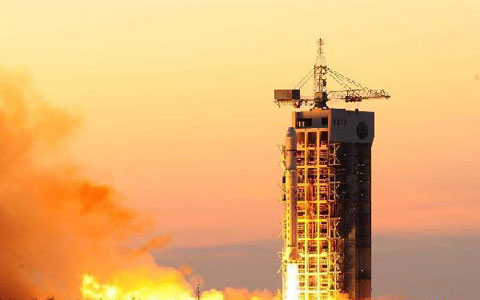
China has successfully launched two scientific research satellites into orbit on November 20.
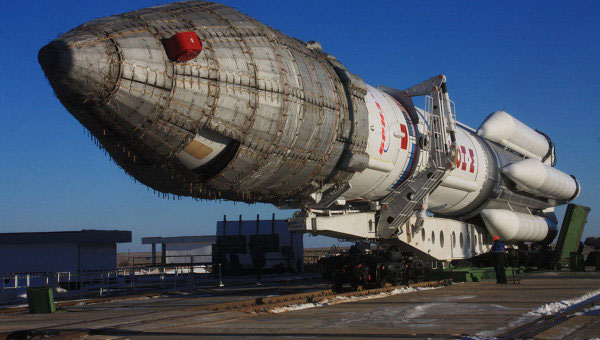
On November 25, 2011, Russia's Proton-M rocket launched satellite communications
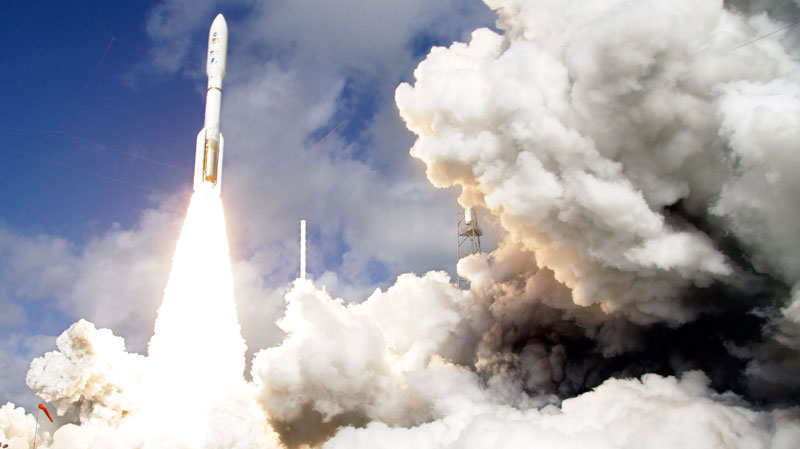
The most advanced and expensive American exploration robot launched on Mars yesterday to find evidence of the existence of life on the red planet.
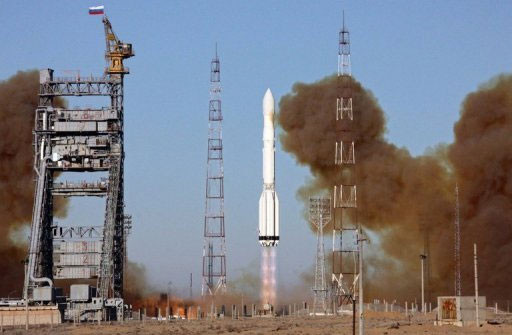
On November 28, Russia launched a Soyuz Glonass-M guided satellite at the Plesetsk space center in the northwest of the country.
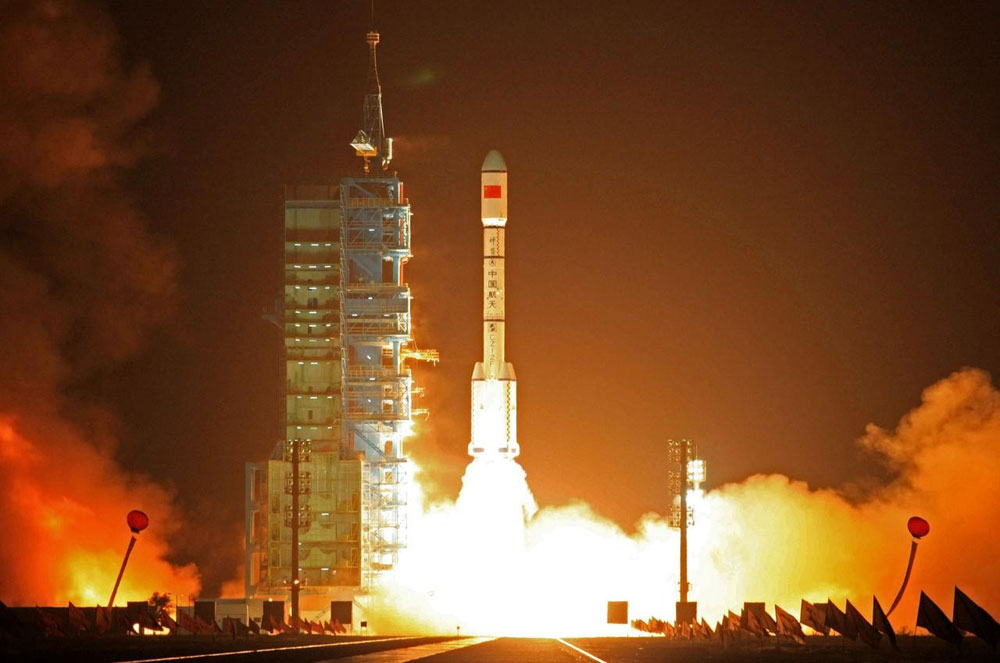
According to a VNA correspondent in Beijing, China's satellite
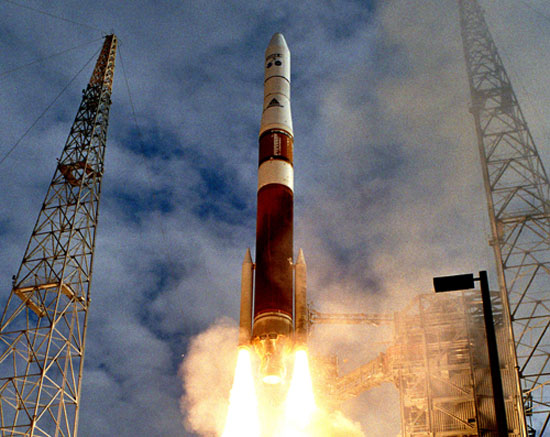
A Chinese space expert said yesterday Beijing will launch 20 missiles and 25 artificial satellites into space this year.
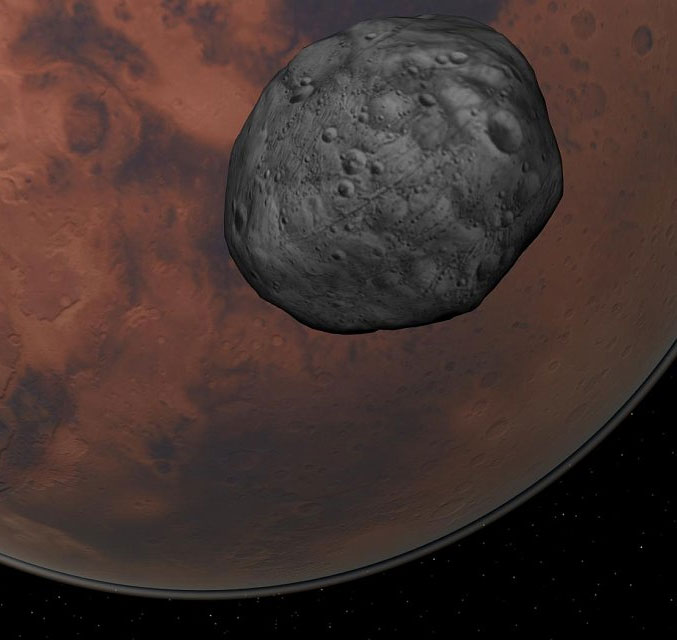
Russia's Phobos-Grunt spacecraft and China's Yinghuo 1 will be launched on Mars's Phobos satellite using Zenit missiles at the Baikonur space airport in Kazakhstan on No…
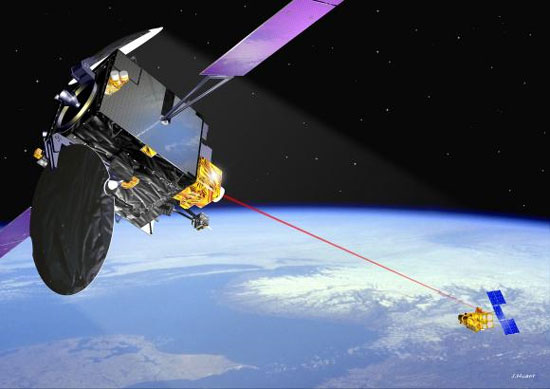
The US Aeronautics Agency (NASA) will launch an artificial satellite to test the weather forecasting technology and monitor climate change on Earth.
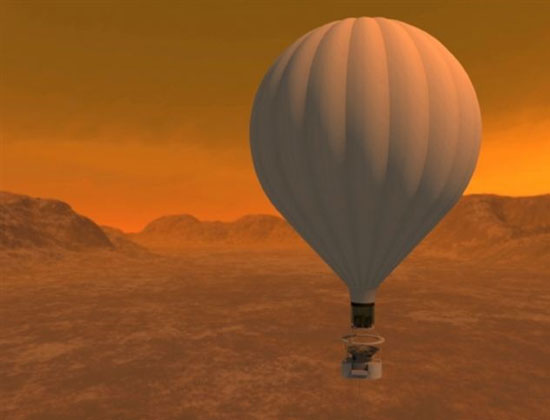
The US Aerospace Agency (NASA) is testing a form of space exploration that is cheaper than a missile program with shadow detectors.
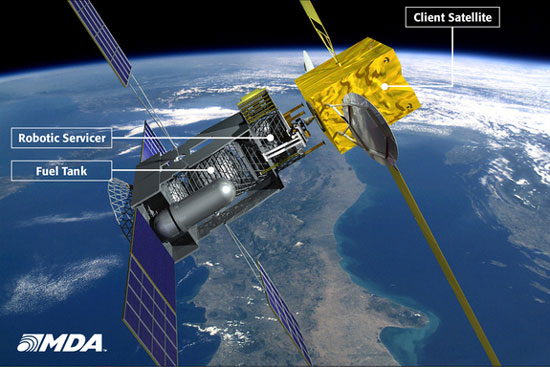
Two Canadian and US companies are building a new spacecraft, operating as robots or machines in space, that can extend the life of satellites orbiting the Earth.

NASA has just officially announced Space Launch System (SLS) latest missile development project, information from the media on October 18.
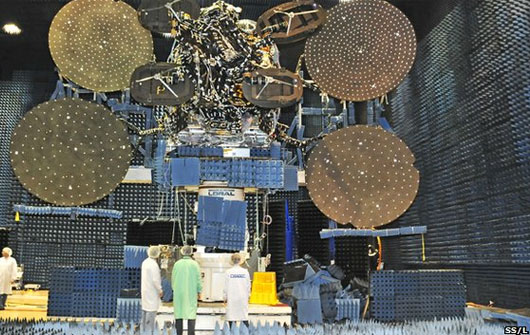
Viasat-1 broadband satellite, one of the most powerful satellites ever developed, has joined the trajectory on Russian proton boosters.