
Space science
Phobos satellite origin of Mars
Astronomers have long argued about the origin of Mars satellites. There are two most popular theories.
Browse ScienceInfo articles and explainers related to Moth.
770 published items.
Astronomers have long argued about the origin of Mars satellites. There are two most popular theories.

Austrian archaeologists found the land where the ancient people slaughtered the Stone Age mammoths 18,000-28,000 years ago.
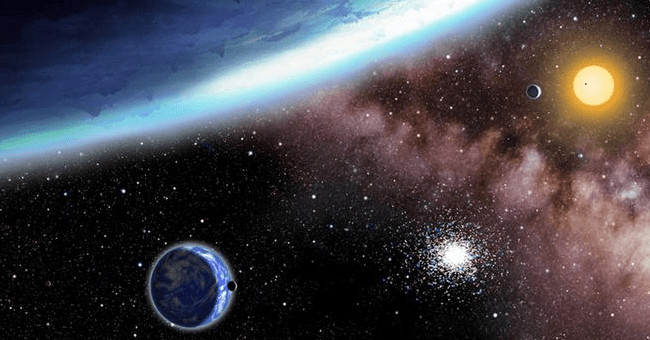
Many planets roam the universe without flying around or around any parent star.
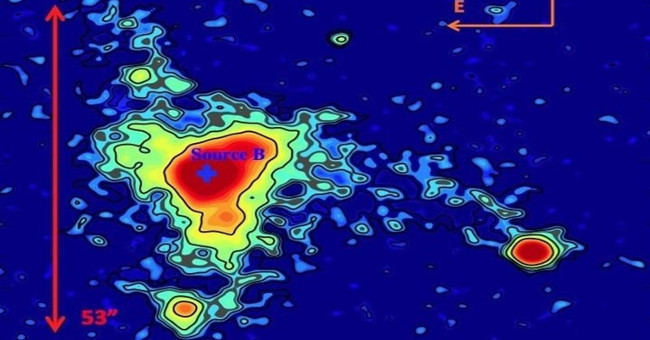
Astronomers have discovered a huge, very bright gas trail drifting freely in the distant universe, and they have not found the reason why it has become so bright.

The new study supports the complex life hypothesis, including those animals that may have evolved once before human history is known.
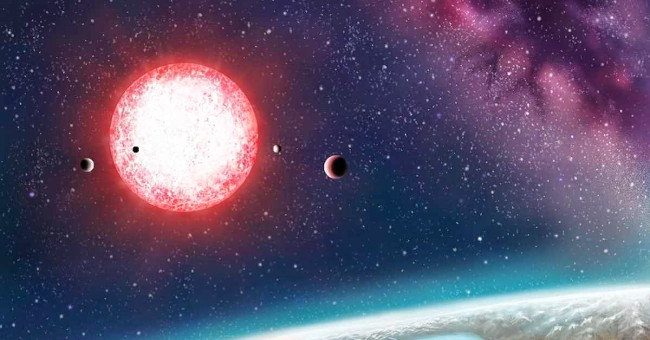
An international research group draws a list of the 20 most Earth-like planets from 4,000 extrasolar planets discovered by the Kepler telescope.
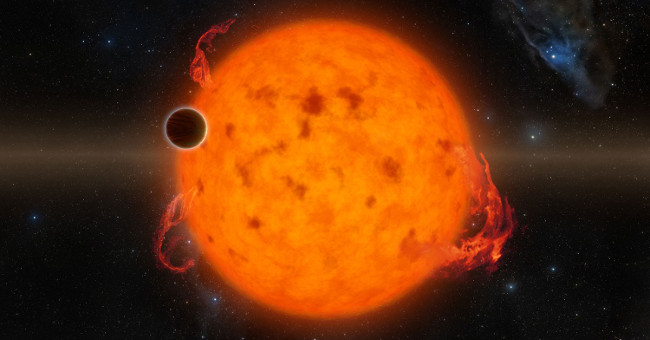
Recently, astronomers have discovered a youngest extraterrestrial planet orbiting a star 500 light-years from our Earth, called K2-33b.
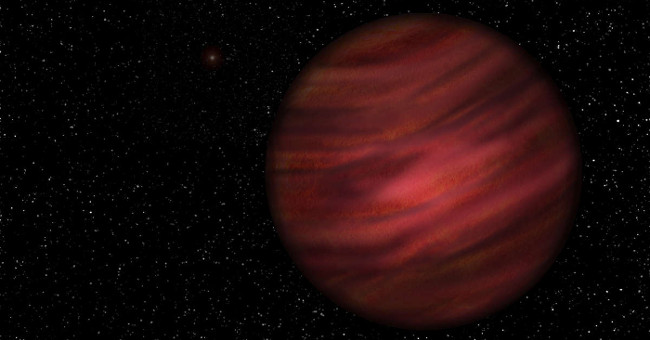
Australian scientists discovered a planet orbiting a parent star at a billion billion kilometers, 7,000 times the distance between the Earth and the Sun.
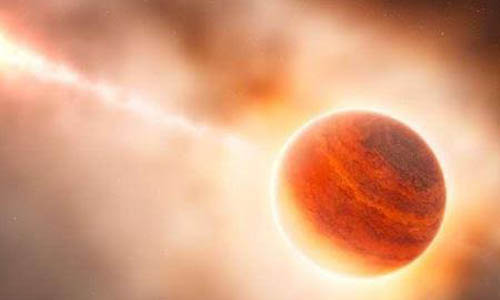
Astronomers in Switzerland discovered and are tracking a planet in the process of formation, still attached to the belt of the star mother.
India's spacecraft has just sent back to Earth the first 3D image of Mars.
Mercury, the planet that is closest to the sun, may have owned a large ma-ocean ocean and curled up early in its 4.5-billion-year history.
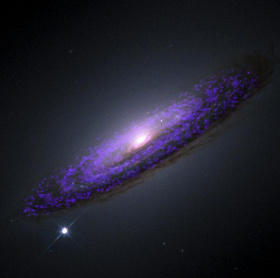
Black holes are known to exist at the center of most galaxies, but there are still many unanswered mysteries that are their influence on galaxies' evolution.
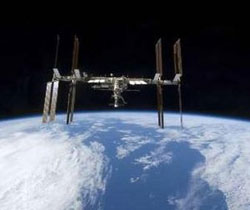
The US Aerospace Agency (NASA) decided to let Space Shuttle Discovery dodge the orbit of a piece of cosmic trash before it returned to Earth.
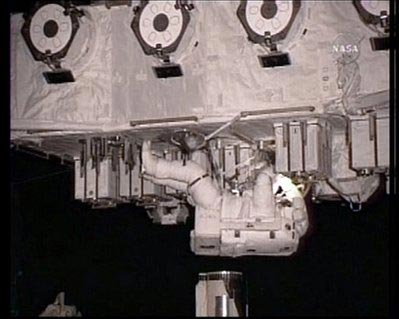
After 11 days of connecting with the International Space Station (ISS), Space Shuttle Endeavor on July 28 began its journey back to Earth after completing the laboratory…
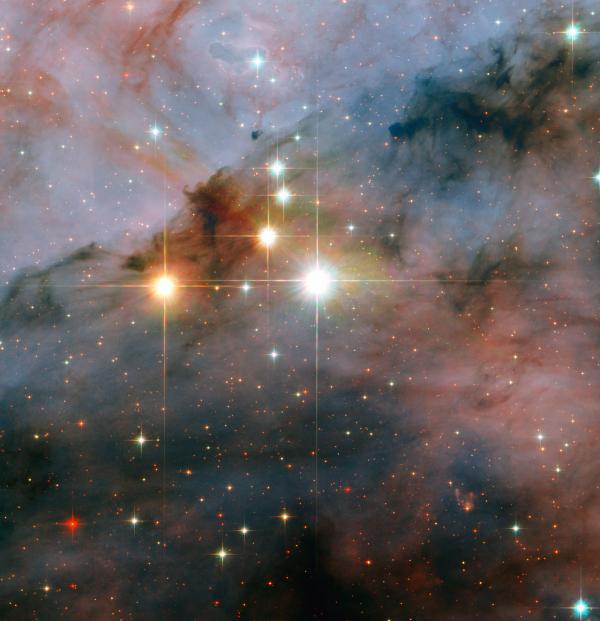
The Hubble telescope has recently captured a spectacular picture of a giant pair of stars, WR 25 and Tr16-244, located in the open star cluster Trumpler 16.