
Computer scienceCurrently, when the Covid-19 epidemic is raging, all historical sites, tourist destinations like the Vatican are closed, but it's okay now you can visit online for free.
May 13, 2020

Computer scienceNo need to visit the site to admire the wonders, the following 10 museums have digitized sightseeing tours for everyone to visit right at home.
May 13, 2020
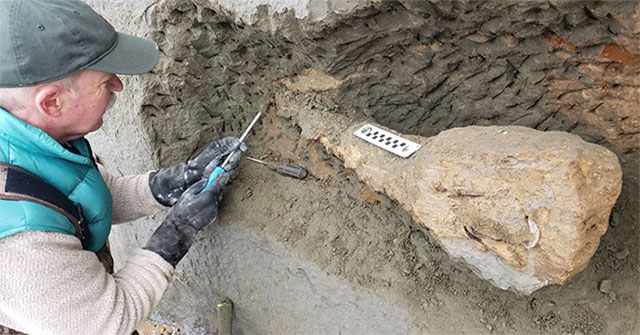
ArcheologyScientists quickly unearthed two ancient dolphins to move to the museum when they were in danger of being damaged.
April 5, 2020

ArcheologyAccording to the latest research, one of the oldest swords in the world around 5,000 years old is kept in a museum on the island of Saint Lazarus, Venice.
March 11, 2020
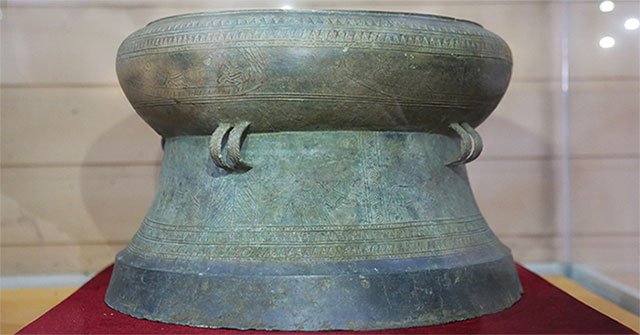
ArcheologyLooking for scrap on the sand hill of Tra Loc village (Hai Lang district), the man found a 'copper pot' as a national treasure.
February 27, 2020

Discover scienceIron is a metal that is easy to rust. Most of the iron objects displayed in museums are rusted.
January 25, 2020
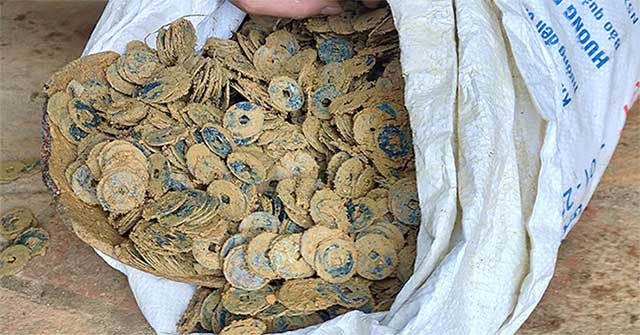
Discover scienceMr. Nguyen Van Phu (from Vu Quang district) rented a excavator to dig the house, discovered three crock pots containing more than 100kg of coins at a depth of 1.5m.
December 23, 2019
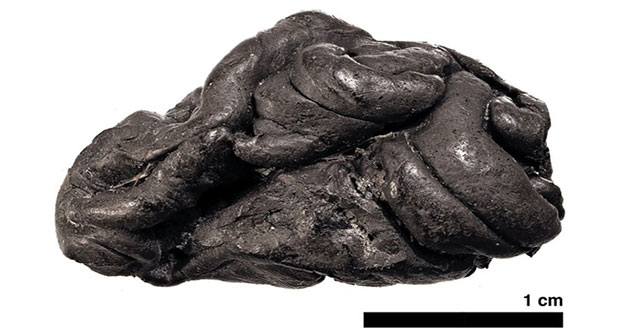
ArcheologyThe traces of DNA remain on the birch tar that she chewed
December 22, 2019
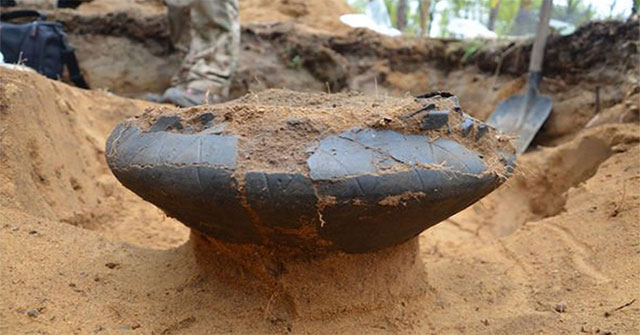
ArcheologyThanks to X-ray scanning technology, experts can observe inside the jar containing warrior's ashes and some metal objects.
December 11, 2019
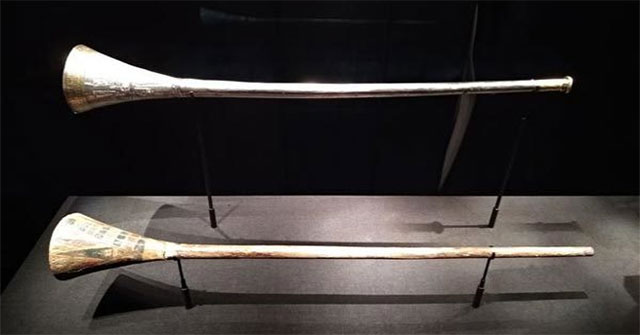
1001 mysteryThe pharaoh's horn was famously used only three times in the past 3,000 years. But every time he spoke, a disaster soon followed.
November 11, 2019

ArcheologyThe results of the 3D scan reveal that the 2,500 year old mummy could be assembled from parts of many different cats.
November 11, 2019
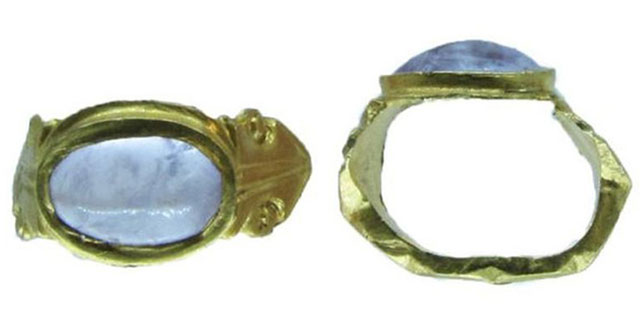
ArcheologyMetal detector discovered a Roman-era ring in a farmer's field in Broxted, Essex County.
November 11, 2019
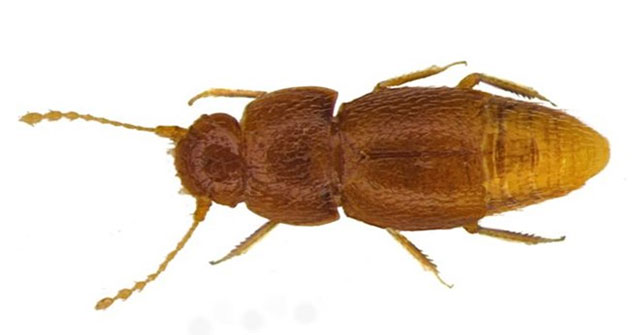
BiologyThe name of 16-year-old Greta Thunberg was given to a beetle less than 1mm long, the color of honey, belonging to the species Ptiliidae, discovered in Kenya in the 1960s.
November 11, 2019
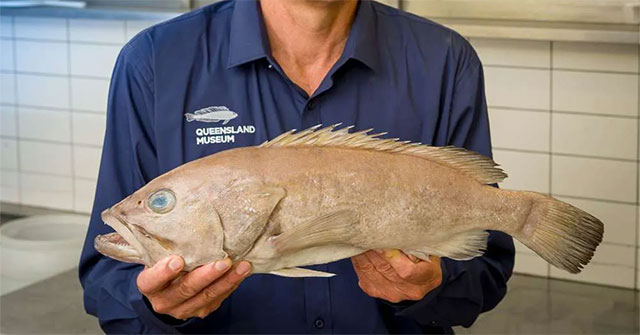
OceanographyThe new species has been described as a grouper and has its scientific name Epinephelus fuscomarginatus.
October 30, 2019
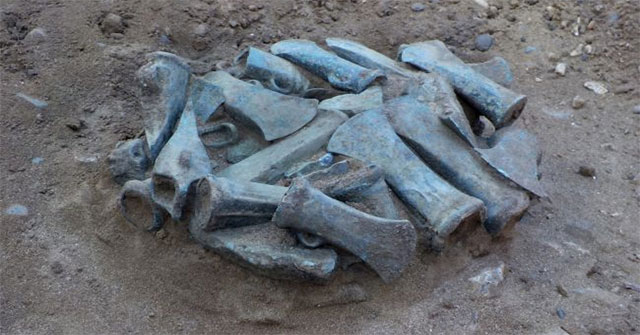
ArcheologyScientists found 453 Bronze-era objects buried on the outskirts of London, including many ax axes, spears, pieces of swords and knives.
October 30, 2019