
Space science
Detecting ice holes on Mars
NASA scientists have discovered a dry underground ice pit containing lots of carbon dioxide.
Browse ScienceInfo articles and explainers related to NaSa.
3,231 published items.
NASA scientists have discovered a dry underground ice pit containing lots of carbon dioxide.

NASA's GP-B gravity probe is designed to test two predictions drawn from Albert Einstein's theory of relativity and completed the mission after 5 years of research.
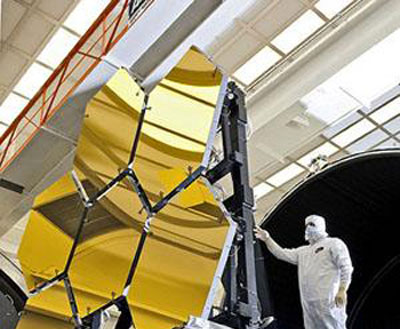
The US Aerospace Agency (NASA) is building a telescope capable of observing events that occurred several billion years ago.
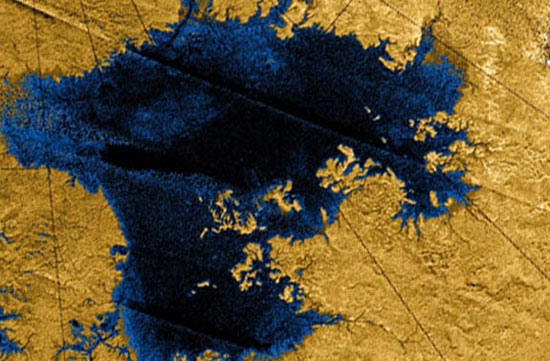
No one has ever been sailing in another world, but the US Aerospace Agency (Nasa) is considering sailing on Saturn's moon Titan.

AFP said, Falcon Heavy, the name of the new rocket, is SpaceX's invention in California, USA.
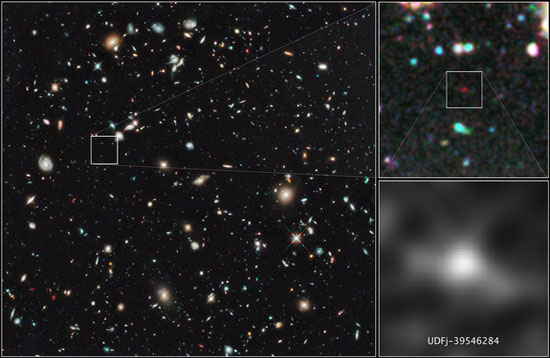
A group of international astronomers has just announced the discovery of the oldest galaxy formed from 13.55 billion years ago.
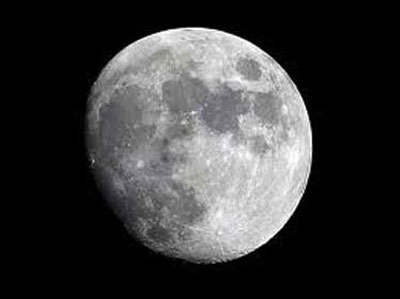
Moon Express Company in Silicon Valley, USA is cooperating with NASA to carry out a project to detect rare metals on the Moon.
Astronomers saw such a strange explosion in the universe that they did not even know what to name in accordance with the nature of the explosion.
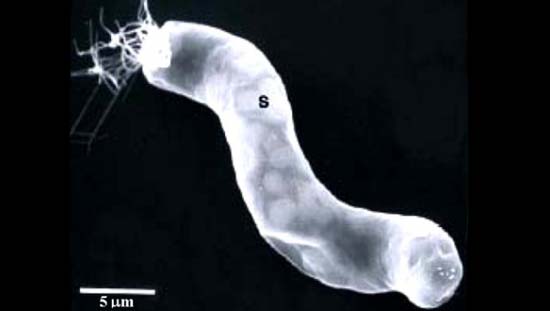
A NASA scientist recently claimed to have found evidence of extraterrestrial life on a meteorite.

The US Aerospace Agency (Nasa) is considering firing lasers to deflect fragments of cosmic trash that are at risk of colliding with satellites and the International Spac…
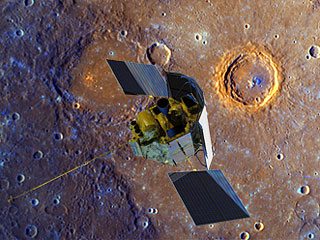
For the first time, NASA has published images of Mercury taken directly from the planet's orbit.
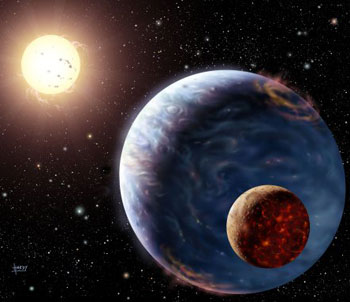
American astronomers have spent the past two years searching for the Earth-like planets most in our Milky Way and gathering them in a large-to-small sequence.
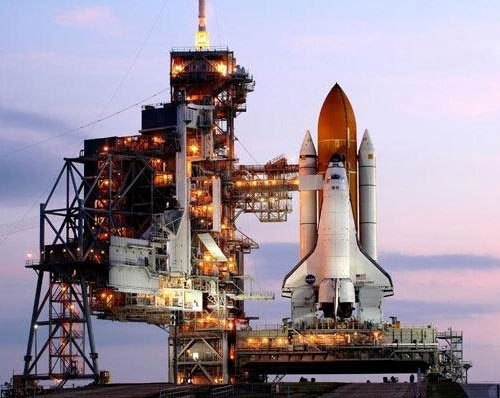
The US Aeronautics and Space Agency (NASA) said on April 4 that it would postpone the launch of the Endeavor until the end of this month to avoid a collision with a Russ…
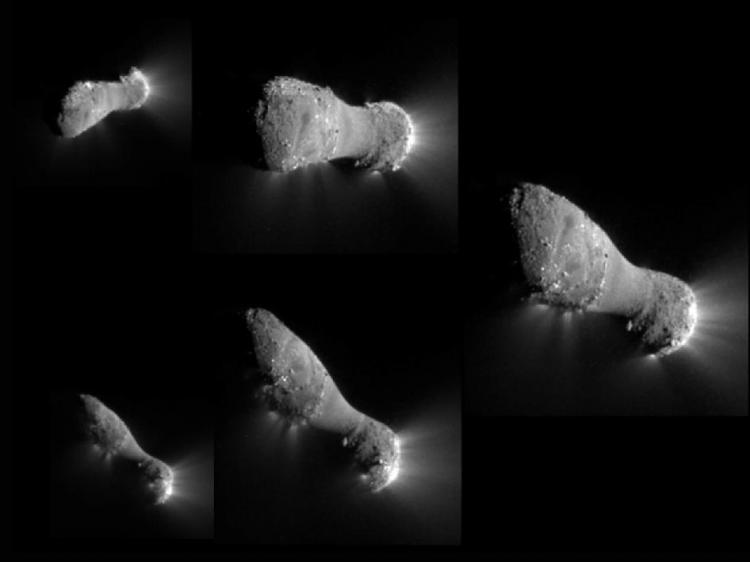
A space exploration ship of the American Aeronautics Agency (NASA) captured the comet close-up shots Hartley 2 for the first time.
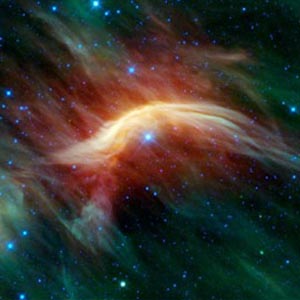
Thanks to an orbiting observatory called WISE, NASA scientists have captured shock waves caused by a star that is fleeing in the universe at speeds of up to 54,000 miles…