Science invention
Human skin was born
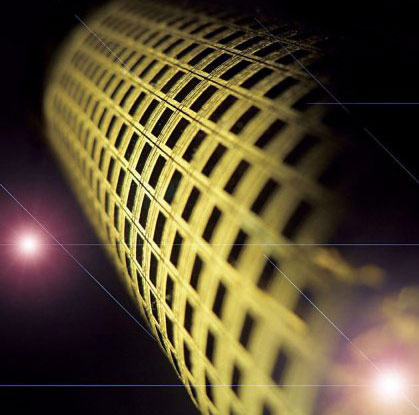
Scientists have successfully built materials that can sense pressure like human skin.
Browse ScienceInfo articles and explainers related to Nanoparticles.
96 published items.
Scientists have successfully built materials that can sense pressure like human skin.
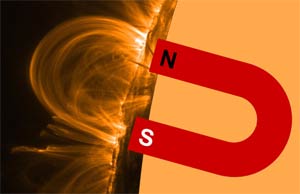
US researchers have succeeded in making Sm-Co-based hard magnetic nanoparticles, an extremely important hard magnetic material in technology.
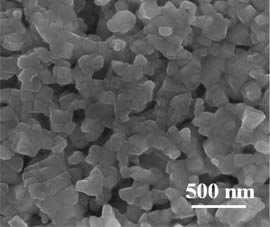
According to new results published by the team of researchers in India, ferromagnetism may be a common property in all types of nanoparticles. Chintamani Rai and colleag…

Light can be led and manipulated on the nanometer scale using the effects of plasmonics physics, according to the latest calculations published by a team of researchers…
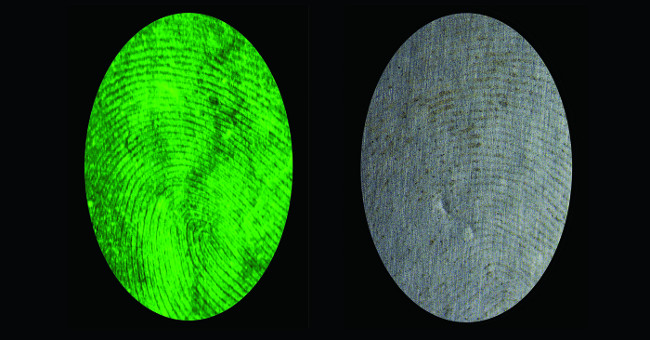
The researchers say that this method provides a more accurate fingerprint image than the standard methods used in forensic medicine.

This great success will open the door - or in this case windows - to apply nanotechnology to everyday life.
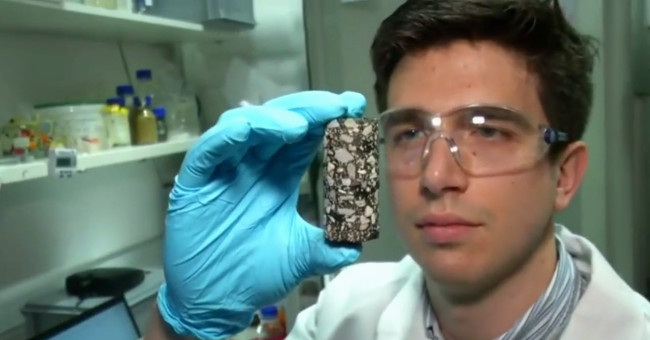
Magnetic nanoparticles are added to the asphalt to form a sugar mixture. The magnetic field is then used to connect the cracks.
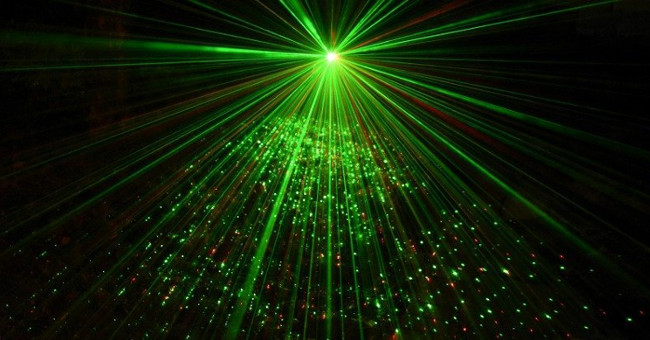
This technique is considered a great step forward of the scientific community, helping the field of microscope manufacturing to overcome the deadlock stage, when the mic…

Scientists from the Institute of Tropical Technology have successfully fabricated a solar-water-resistant, weather-resistant, water-repellent coating that is weatherproo…
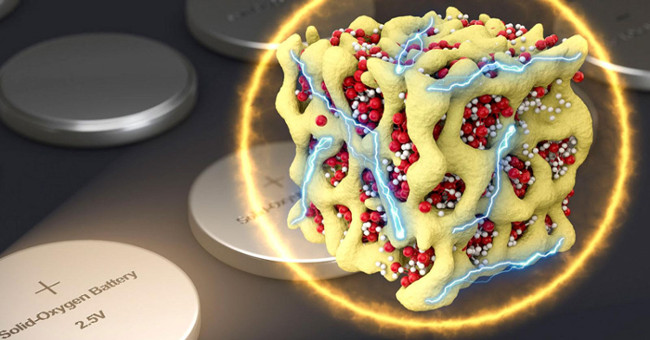
Not just smartphones, lithium-oxygen batteries have been studied for use on electric vehicles.
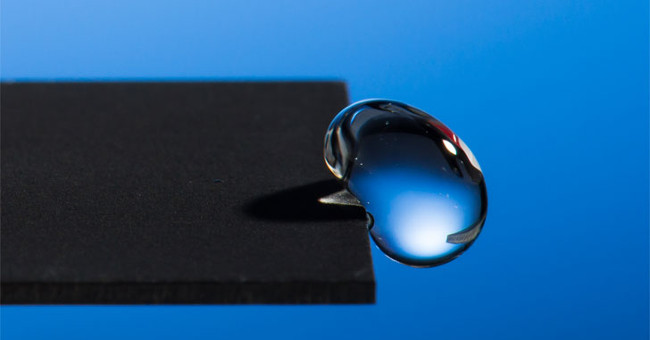
This new method of metal production is a precursor to the creation of effective self-cleaning materials and never to be corroded.

British scientists have successfully engineered a few billionths of a meter of nanotube-powered light.
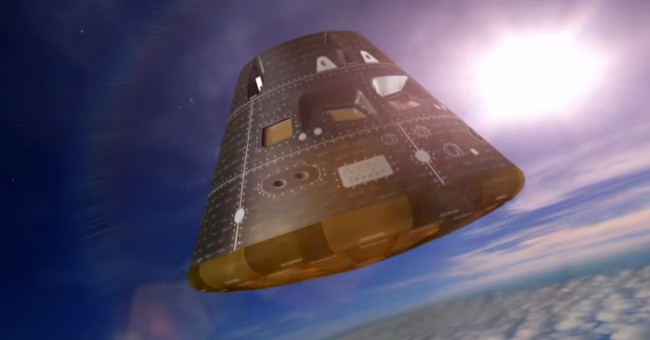
US scientists have successfully synthesized a new metal that promises to change the car, aircraft, and spacecraft industry.
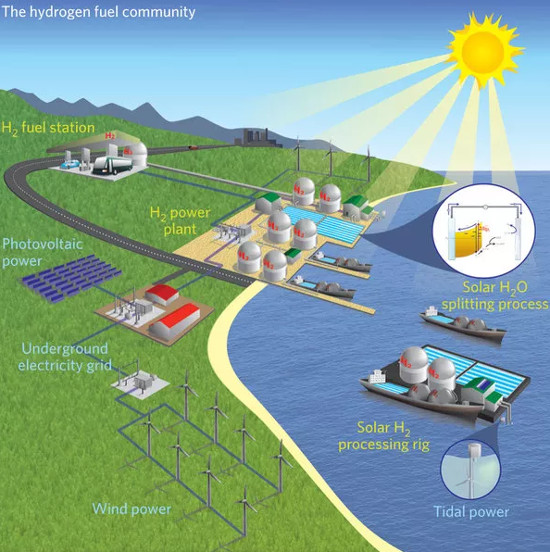
Scientists at Ric University (USA) have found an effective way to collect solar energy by separating water molecules.

A type of nanotube designed to detect stomach cancer molecules through the breath also identifies lesions that can develop into this common disease.