Health
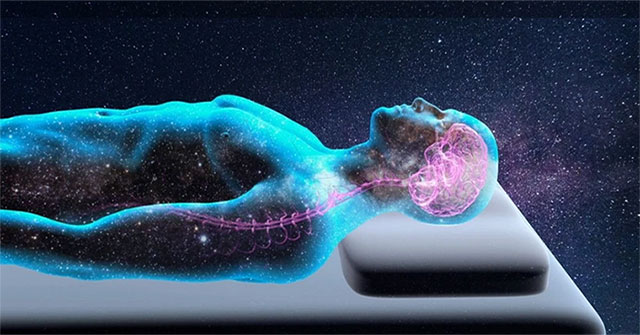
How does sleep divide people into 4 types?
If you're not someone who sleeps well at night, you're probably an insomniac who naps or sleeps in on the weekends.
Browse ScienceInfo articles and explainers related to Nap.
42 published items.
If you're not someone who sleeps well at night, you're probably an insomniac who naps or sleeps in on the weekends.
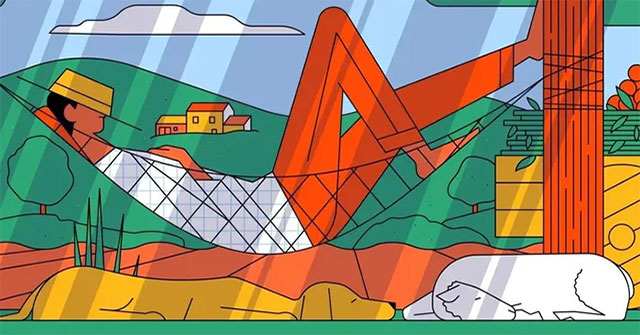
A seemingly forgotten traditional lifestyle may be the solution to dealing with high temperatures.
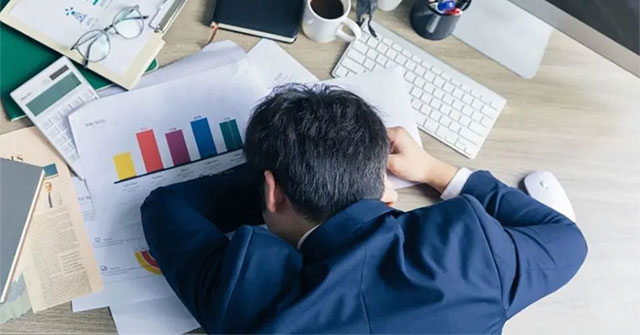
Taking a proper nap is very good for the body, but how long does sleeping affect human longevity and health? Experts have pointed out a fact that many people do not know.
Each of these countries has secrets to living a long life that most Vietnamese people have also followed. However, the important thing is to maintain those good habits e…
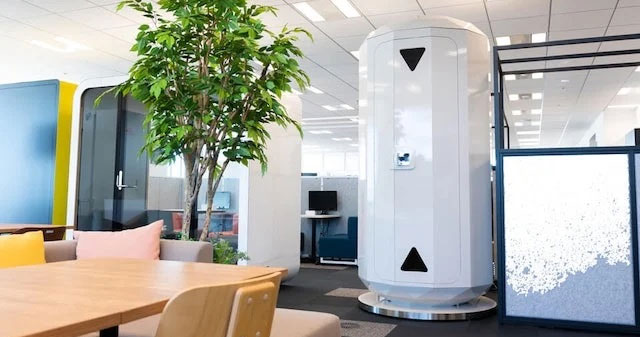
To create napping spaces everywhere, a Japanese company invented a standing sleeping box called Gireaffenap and installed them in cafes across the country.
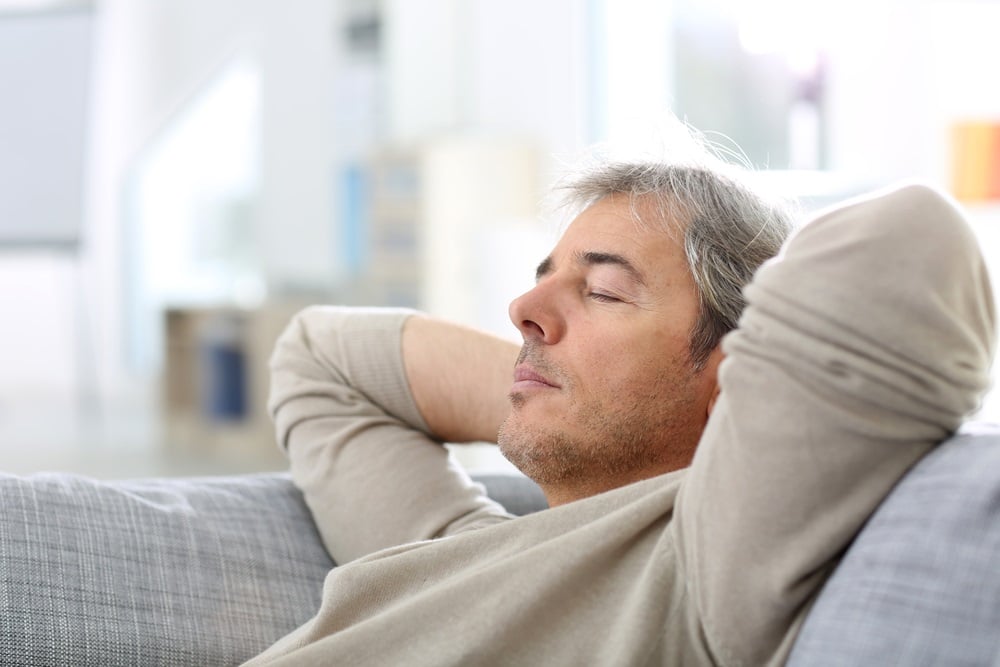
Studies have shown that napping is both beneficial and bad for the brain and heart, and it's actually related to how long you sleep.
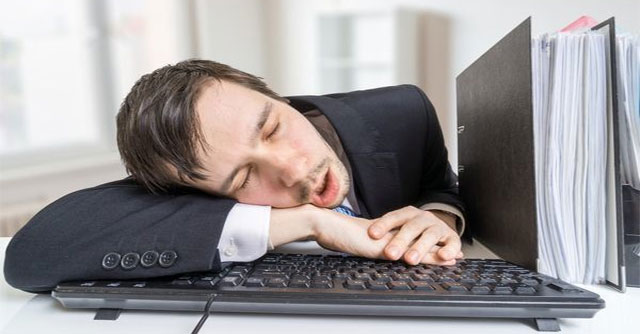
A new study based on the genetic information of hundreds of thousands of people shows that some people are born needing more sleep than usual.
The genius Nikola Tesla or US President Donald Trump is just one of the few people who sleep less than 4 hours a night and still work normally.

Difficulty sleeping is something no one wants and it really affects a person's sleep quality and spirit. It makes us tired, frustrated and difficult to concentrate durin…
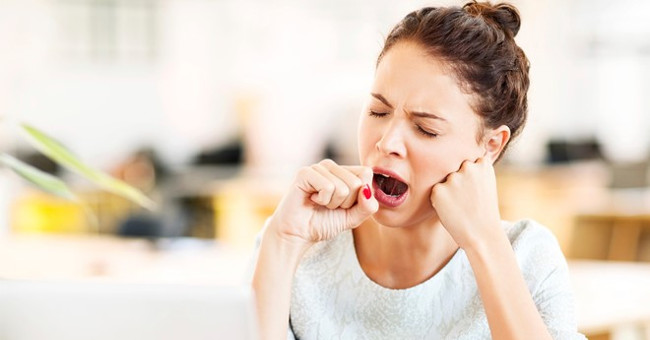
Most people, especially office workers, share the same obsession with names

Dullness in work can become a fertile ground for creative activity, especially for those who can sleep while working.
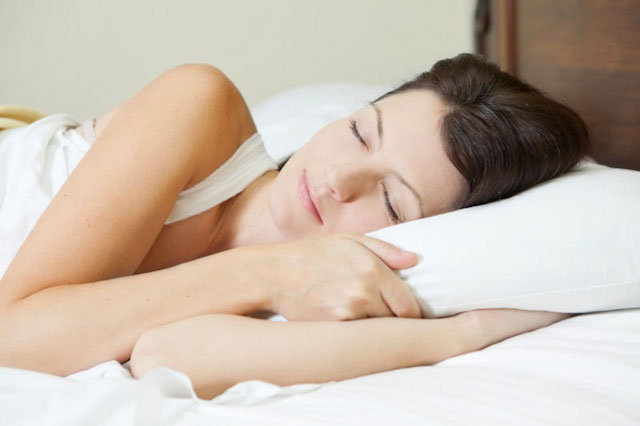
If you are preparing for an exam or are having to complete difficult exercises that have not been addressed, then you can choose a simple solution of a nap or sleep long…

If the brain is considered a mailbox, then a daytime nap helps us clean that mailbox.
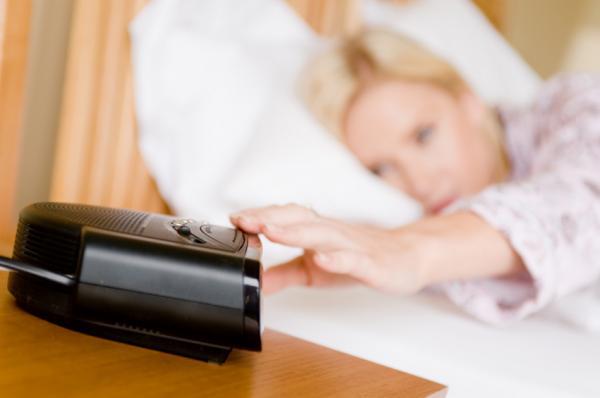
We can sleep for a while to regulate sleep circulation, but our cells have a much more subtle and delicate system.

Napping is not only a habit in many countries, but it is also a biological response to lunch.