
Space science
Two meteorites glow when they crash into the Moon
The European Space Agency (ESA) published a video of the flashes of light appearing on Earth's natural satellites due to collisions with meteorites on July 17 and 18, Sp…
Browse ScienceInfo articles and explainers related to Natural.
2,144 published items.
The European Space Agency (ESA) published a video of the flashes of light appearing on Earth's natural satellites due to collisions with meteorites on July 17 and 18, Sp…
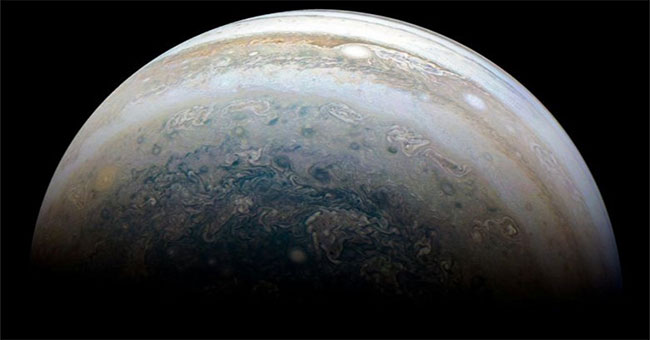
On July 17, the team of astronomer Scott Sheppard of the Carnegie Institute of Science in Washington, USA, announced that 10 new objects have been identified around Jupi…

There are many strange things in the orbit of the Sun that astronomers have not yet liked. Here are 10 unexplained natural phenomena in our Solar System.
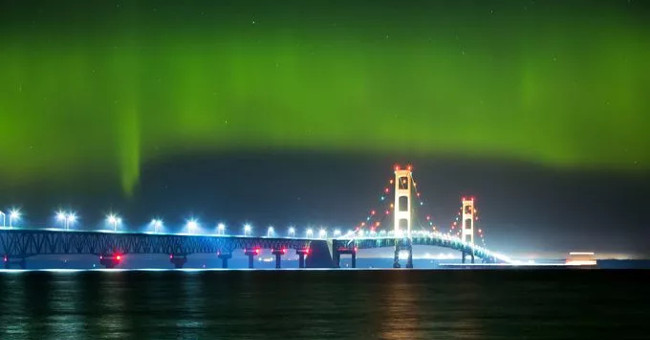
The meteorologists in the country forecast the aurora will appear before so many people have flocked here to observe the aurora, a phenomenon also called by the American…
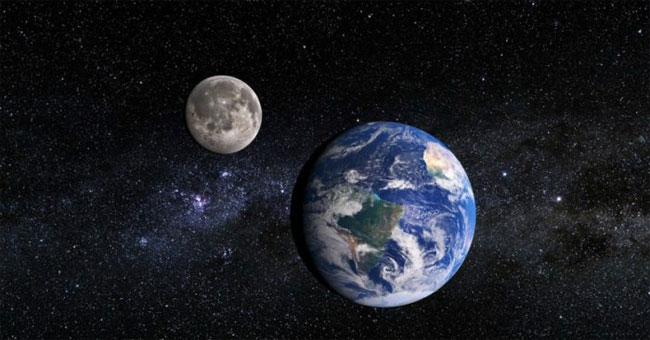
The Moon will shatter before falling to Earth, leaving hundreds of thousands of meteorites pouring down on the planet and tsunami thousands of meters high.
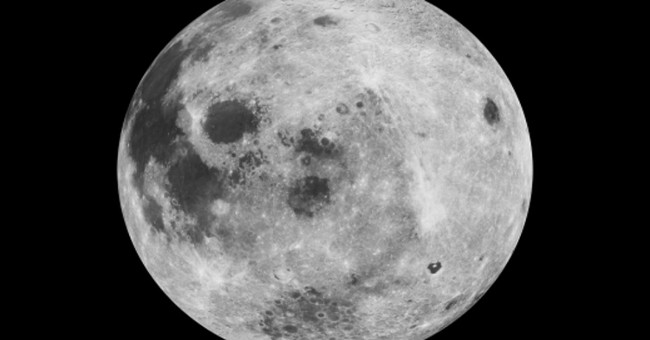
The true story is a joke, but the Moon is known as a natural satellite that revolves around the Earth, will be
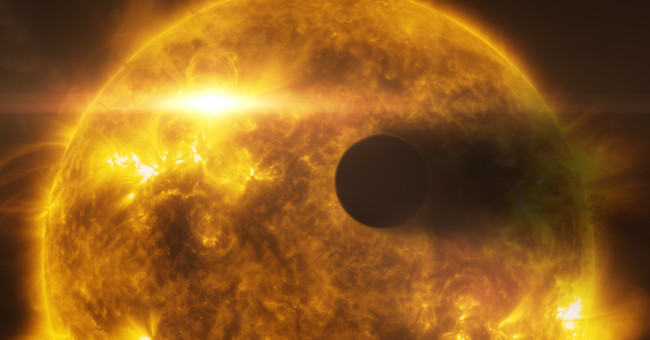
The sun - the star in the solar system and the source of energy and natural light for the Earth.
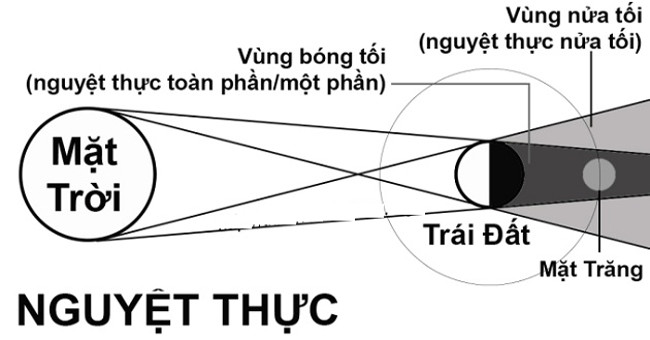
Moonlight is an interesting natural phenomenon that people can sometimes observe. The change in the color of the Moon when this phenomenon occurs often causes many peopl…

Asnaro-2's mission is to provide images of areas affected by natural disasters or deforestation for research institutes and local governments.

This nuclear reactor can power the device that turns Mars' available natural resources into gas, water and oxygen.
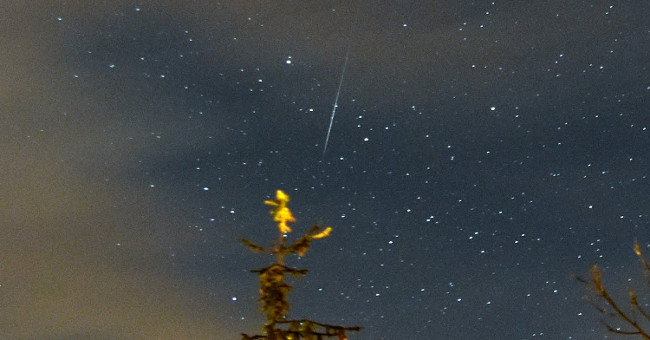
Mr. Nguyen Duc Phuong, Deputy Secretary General of the Astronomical and Astronomical Society of Vietnam, said that at 23:00 tonight 3/1, together with people in many par…
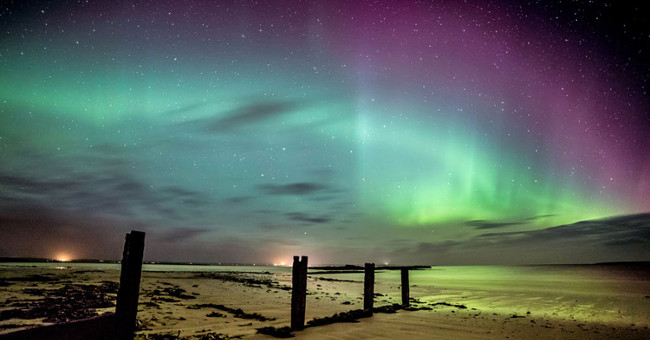
It is known that aurora is considered one of the most beautiful natural phenomena on the planet - it is

This is the first time after 99 years, total solar eclipse
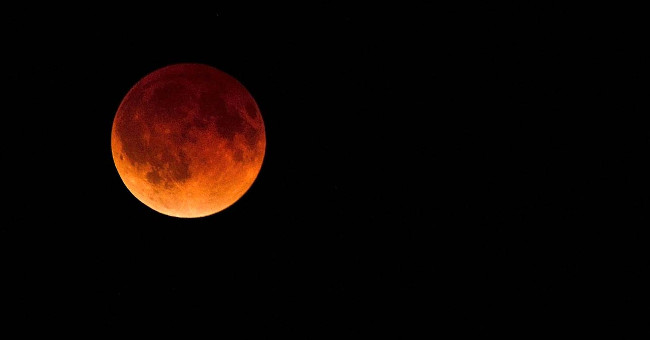
Accordingly, the region that fully observes the partial eclipse in August is the majority of Asia (including Vietnam), the east coast of Africa and most of Oceania.
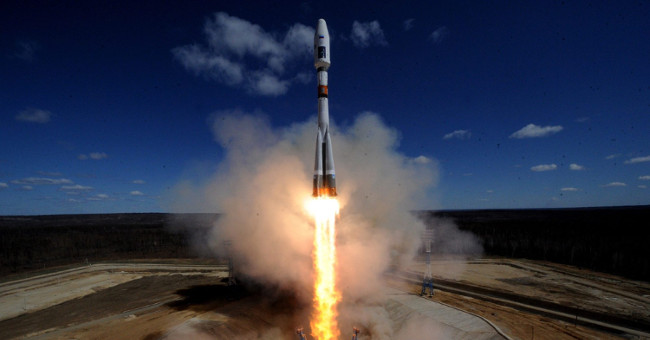
Glavcosmos's announcement said all the satellites had successfully separated from the device launched at 14:41 GMT.