Science invention
2006 Nobel Prize in Medicine for two American scientists
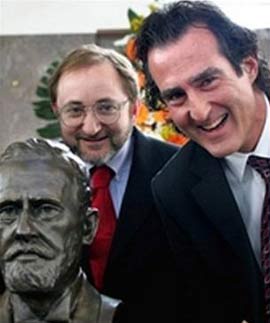
Two American scientists Andrew Z. Fire and American American Craig C. Mello won the 2006 Nobel Prize in Medicine for their work on discovering how to neutralize the effe…
Browse ScienceInfo articles and explainers related to Nobel.
374 published items.
Two American scientists Andrew Z. Fire and American American Craig C. Mello won the 2006 Nobel Prize in Medicine for their work on discovering how to neutralize the effe…
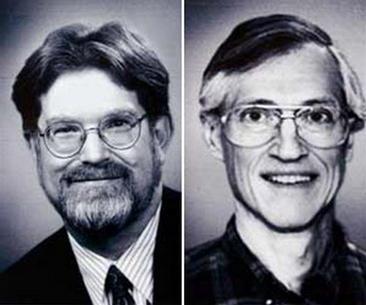
The 2006 Nobel Prize for Physics has been announced today, and the winner is two US scientists: John C. Mather and George F. Smoot with scientific work.

Almost half a century after his father won the Nobel Prize, American professor Roger D. Kornberg also won this year's Nobel Prize in Chemistry for his study of how cells…
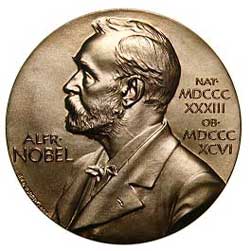
The final Nobel Prize in 2005 belonged to the field of literature awarded to the poet author - British writer Harold Pinter. But we know little about the secrets of the…
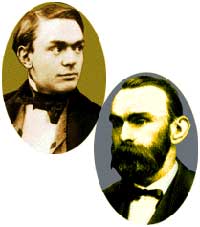
Correctly 110 years ago on November 27, 1895 Alfred NOBEL signed a will to spend most of his fortune for the creation of a prize named after him. One year after December…

Two British Nobel laureates have come up with a new way to use graphene - the thinnest material in the world - to make the Internet

Turing Award, one of the most prestigious IT industry awards, was awarded to Frances E. Allen for her contributions to programming language when she was at IBM.
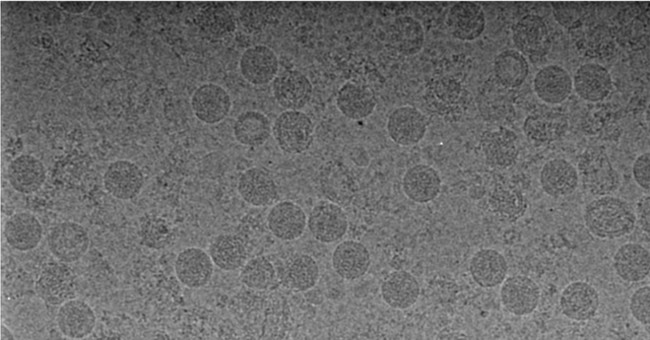
If you see the structure of a machine, you can guess how it works. The same is true for biological structures, such as viruses.

Gene technology is growing to allow humans to produce pet dinosaurs.
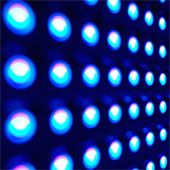
This year's Nobel Prize for Physics was awarded to a group of three Japanese scientists for the invention of blue LED bulbs.
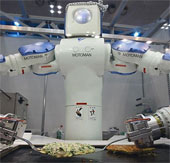
'Cherry Blossom Country' believes that 'real people and robots' will work together to address the shortage of young manpower because of the growing numbe…

This solid material is shaped like a sponge, made from frozen dry carbon and graphene oxide. The weight of the new solid is even lighter than the helium element of about…
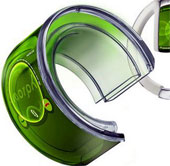
Graphene material, discovered by British scientist Andre Geim in 2004 and winning him the 2010 Nobel Prize in physics, is likely to completely change the look of electro…
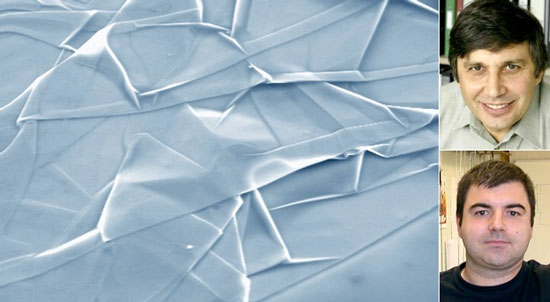
British scientists are studying to increase the light absorption capacity of graphene to increase the applicability of the world's thinnest material.