Oceanography
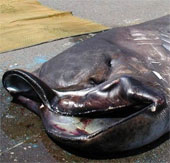
Catch an extremely rare 'alien' shark
Fishermen have caught a megamouth shark at the coast of Japan. This is the 58th child ever found in the world.
Browse ScienceInfo articles and explainers related to Ocean.
1,955 published items.
Fishermen have caught a megamouth shark at the coast of Japan. This is the 58th child ever found in the world.
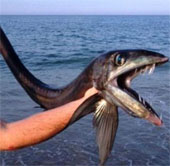
A rare lancet fish that often lives in the Atlantic Ocean caused a stir last week when it swam to the coast of North Carolina, USA.
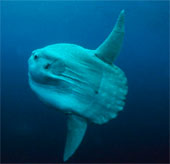
Scientists have long underestimated the number of fish in the ocean, after discovering that most of the inhabitants of the ocean remained calmly in deep water.
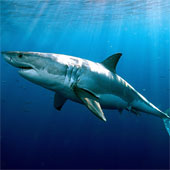
Recent research by American scientists shows that white sharks can live more than 70 years, more than three times the highest life recorded so far.

A newly discovered crustacean named Munidopsis mandelai to honor South African leader Nelson Mandela.

Eating sharks does not only cure cancer, but the organisms themselves cannot protect themselves from the attack of malignant tumors.
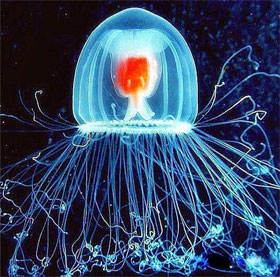
The jellyfish has appeared in the ocean since more than 650 million years ago, before dinosaurs appeared on earth.

An ax-shaped fish with a face like an obese man ... is some of the most bizarre creatures in the ocean.

Dolphins with penetrating vision, brain-eating or catfish-eating ink, with up to 100,000 spikes are interesting memorabilia of the ocean world discovered by scientists.
Scientists around the world have just warned about the rapid increase in the number of jellyfish species, in most of the world's seas.

The oceans on Earth will boil water after three centuries. But before long, all species of fish and birds were extinct, seawater turned into

The polluted marine environment has little impact on the life of ocean creatures, including the birth of a small stingray.
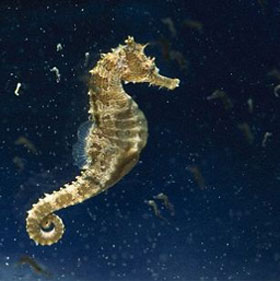
Although it has a small body and moves slowly, dwarf seahorses are one of the most effective predators in the ocean world.
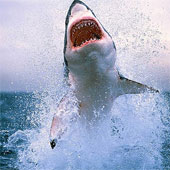
White sharks are species that humans have known for a long time. They are seen as monsters of the ocean.

According to the new report of the International Program on Ocean Status (IPSO), the health of the world's oceans is severely declining at a faster rate than expected.