Environment
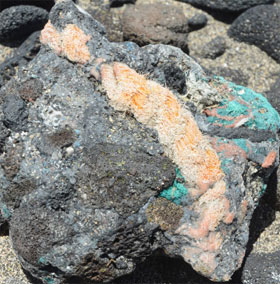
The phenomenon of 'plastic hybrid stone' - The consequence of pollution
Recent US Geological Society researchers have published a discovery about a new type of rock -
Browse ScienceInfo articles and explainers related to Ocean.
1,955 published items.
Recent US Geological Society researchers have published a discovery about a new type of rock -

The rise in the Pacific ocean water temperature and the influx of hot ocean currents have raised concerns that the El Nino phenomenon this year will be the most intense…
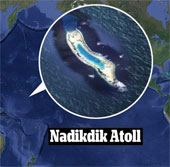
It is a coral island called Nadikdik, also known as Knox Atoll, is the southernmost atoll at the Ratak Chain Islands of the Marshall Islands.

People are hurting the oceans. Now the sea is causing retaliation.
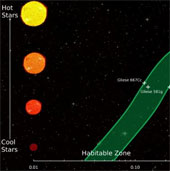
The Earth has another 850 million years before the oceans evaporate completely and enter a period of destruction.
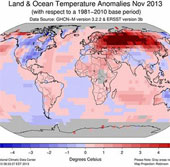
The US National Oceanic and Atmospheric Administration (NOAA) said in November this year was the hottest month on Earth since 1880.

Energy sources on Earth are getting depleted and scientists are working on ways to create new sources of energy to replace.
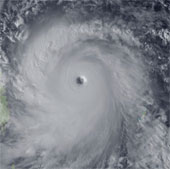
Typhoon Haiyan is entering the South China Sea as the strongest storm in many years, threatening to cause great damage.

Eleuthera Island in the Bahamas is where the Atlantic Ocean and the Caribbean Sea come together only through a rock slit, bringing the most exciting images of nature.

The climate in the UK will be colder in the next 80 years because warm currents will slow down due to the effects of climate change.

This statement is in stark contrast to recent Prime Minister Shinzo Abe's statement that the Japanese government is controlling the problem of leaking radioactive water…
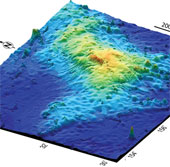
Tamu Massif is considered to be the largest volcano in the world, surprisingly it is located deep in the Pacific Ocean.
The US scientist said that the temperature of the ocean in the Pacific equator could affect global temperatures in each stage, contrary to skepticism about the global wa…

Russian oceanographers have for the first time discovered a link between changes in water temperatures in the North Atlantic Ocean and turbulent heat currents.
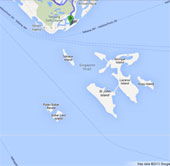
In order to diversify power sources and meet increasing domestic demand, Singapore is actively researching to produce electricity from ocean waves.