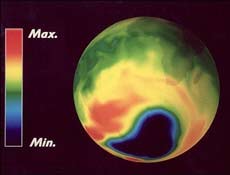
Environment
Ozone holes in Antarctica show signs of shrinking
On August 22, the international scientific community was optimistic that the hole in the ozone layer on Antarctica was shrinking. Director of Global Monitoring Institute…
Browse ScienceInfo articles and explainers related to Ozone.
118 published items.
On August 22, the international scientific community was optimistic that the hole in the ozone layer on Antarctica was shrinking. Director of Global Monitoring Institute…
On August 18, the World Meteorological Organization (WMO) and the United Nations Environment Program (UNEP) said the Earth's ozone layer is recovering after decades of d…
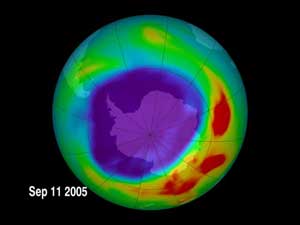
The earth's ozone layer is against 90% of the sun's ultraviolet radiation, making it possible for us to survive and live on the earth's surface. Scientists have recently…
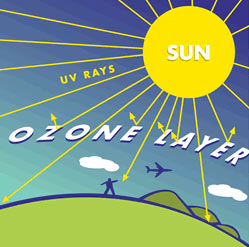
The research results of scientists from the US Aerospace Agency (NASA) show that, together with the process of reducing CFC emissions destroying the ozone layer, the atm…
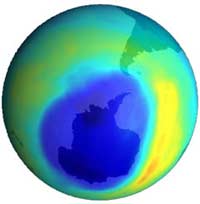
Ozone holes in Antarctica are beginning to shrink in the future and may disappear by 2050 due to chlorofluorocarbons (CFC) emissions reductions and other gases that weak…
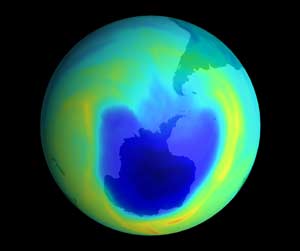
The Earth's ozone layer is slowly recovering from international efforts in the last 20 years. However, by the end of the century, the ozone layer still seemed to not be…
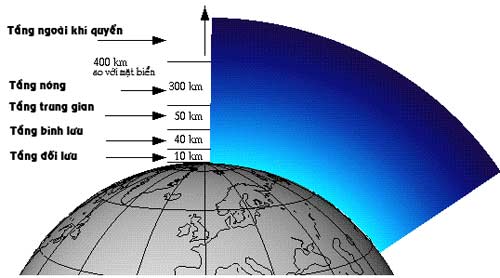
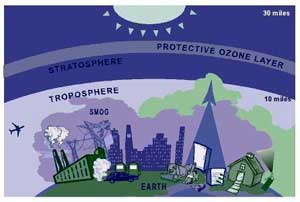
When studying the 11-year abnormal activity of the sun, scientists from the German Institute of Atmospheric Physics found that these activities not only slowed the recov…
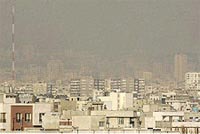
According to Nature, European researchers have discovered a source of pollution so far unknown that releases nitrogen acid, a gas that contributes to the fog on sunny ci…
Although the ozone layer defends life on Earth is shrinking, but it still takes another 60 years for the ozone layer to fully recover, returning as it was in 1980. Numbe…
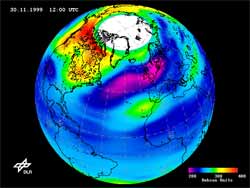
The ozone hole in Antarctica is now the third largest hole recorded, but the weather forecasters are still not sure how it will be in the future, according to the World…
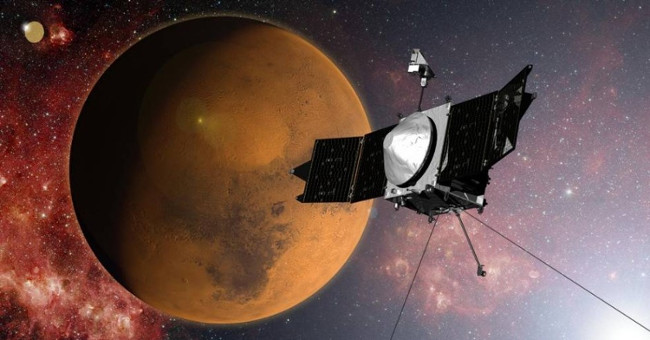
Unprecedented images of ultraviolet light on the Martian atmosphere have just been sent from NASA's MAVEN spacecraft.
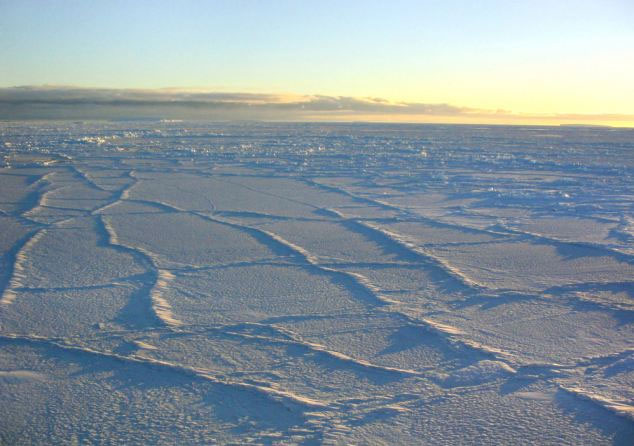
Climate change not only causes the ice to melt quickly in the Arctic but also makes the Antarctic ice area significantly expanded.
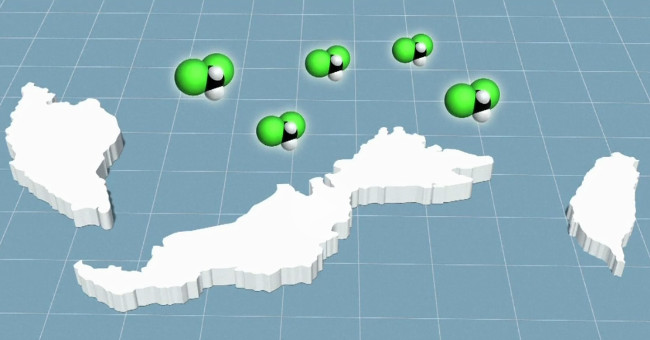
Researchers discovered large quantities of dichloromethane and dichloroethane in the atmosphere that could threaten the existence of the ozone layer.
Review the memorable events that took place on 9/9 in history.