
Animal world
The number of amphibians decreases due to fungal infections
Scientists discover that Bd fungus is the main reason for the number of amphibians to drop from 4-5% per year over the past 40 years.
Browse ScienceInfo articles and explainers related to PER.
374 published items.
Scientists discover that Bd fungus is the main reason for the number of amphibians to drop from 4-5% per year over the past 40 years.

The population of lion species in Kenya has declined by an average of 100 animals per year since 2002 and with this decline they will be extinct in just two more decades…

Electric bicycles today have become a popular vehicle, especially for students because of their convenience, faster running than bicycles without registration, compact a…

Vietnam can produce 31 million tons of bio-oil per year from rice straw - one of the by-products of agricultural production is still largely abandoned by farmers after h…

Weng Huanxin, a professor at Zhejiang University, China has successfully developed a new method of turning mud into non-toxic materials to make bricks and cement cheap.

In the US, this device is sold quite widely for $ 13 per 10. It is advertised to block up to 90% of contaminated particles, allergens, bacteria and 70% of finer particle…
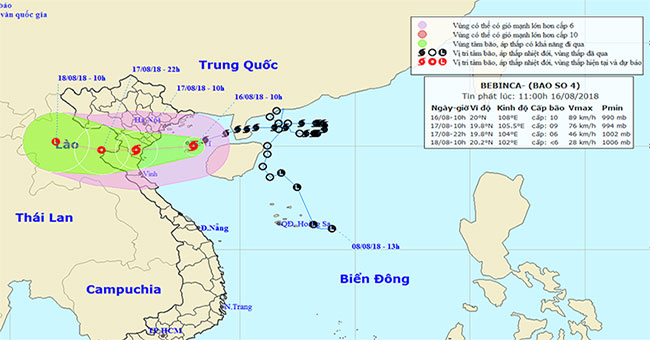
In the Gulf of Tonkin earlier, Typhoon Bebinca moved faster, about 10-15 km per hour. At 8am, the storm center in Bach Long Vi Island, 180km from Mong Cai, 230km from Na…

When the darkness encompasses North America, it is expected that the grid will shrink by about 70 megawatts per minute, two to three times faster than the daily rate of…

With over 45 million tons of waste per year, Japan successfully developed an efficient waste treatment system, becoming one of the cleanest countries in the world.
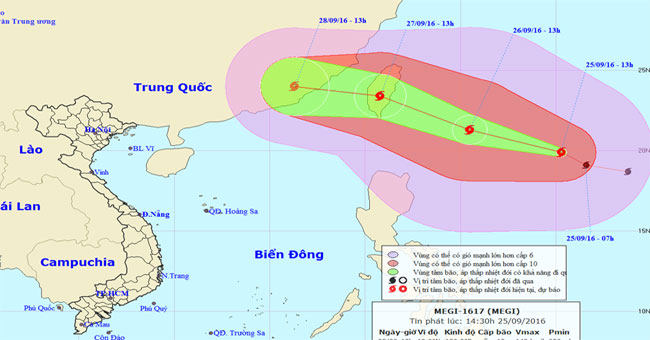
Currently (September 25), in the offshore waters of northeastern Lu-Dong Island (Philippines) a strong storm is active and has an international name as MEGI.
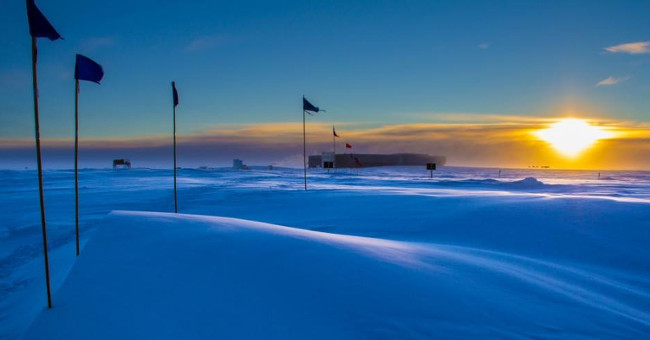
This is the first time Antarctica has recorded CO2 in the atmosphere, up to 400 parts per million (ppm), something that has never happened in the coldest continent in th…

New research through satellite images shows that many areas in Beijing, especially the commercial administrative center, are sinking to 11cm each year.
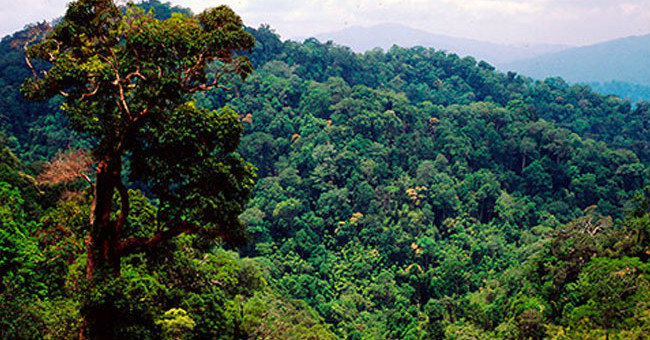
According to figures released by the World Bank, Latin America and the Caribbean region have the largest decline in forest area in the world since 1990 up to now.
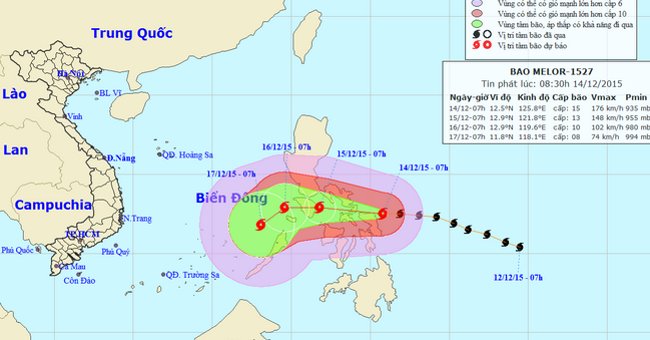
At 14:00 on December 14, the location of the center of the storm Melor was about 12.6 degrees North latitude; 124.6 degrees east longitude, on the eastern region, centra…
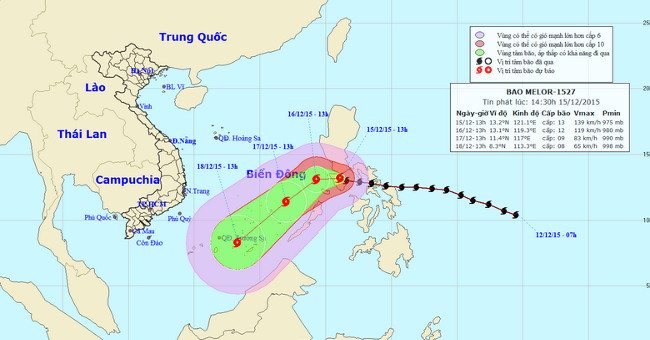
At 14 o'clock on December 15, the location of the center of the storm Melor was about 13.2 degrees Vi Bac; 121.1 degrees Kinh Dong, in the Central Philippines region.