Archeology
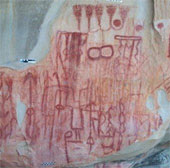
Mexico discovered 5000 ancient paintings in the cave
Mexico's National Institute of Anthropology and History (INAH) said on May 23 that the archaeologists have discovered nearly 5,000 ancient paintings carved in caves in t…
Browse ScienceInfo articles and explainers related to Painting.
200 published items.
Mexico's National Institute of Anthropology and History (INAH) said on May 23 that the archaeologists have discovered nearly 5,000 ancient paintings carved in caves in t…

Italian archaeologists have found brightly colored frescoes depicting epic scenes and sexual content inside the hall of the Colosseum in Rome.
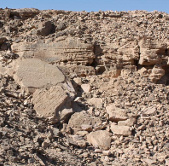
Scientists have found stone carvings near the banks of the Nile after more than a century they have been forgotten.
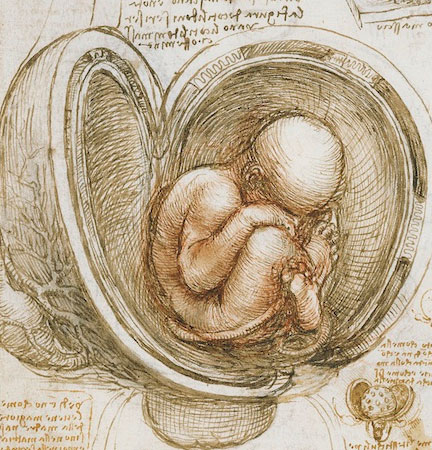
As the author of world famous paintings, Leonardo da Vinci is also known as a talented anatomist and 500-year-old sketches depicting parts of the human body exactly to t…

Italian researchers say they may have discovered a long-lost painting of artist Leonardo da Vinci. This painting is said to be behind a 16th-century mural in Florence.

Archaeologists have uncovered the oldest drawings of humans as seals painted in the Cave of Nerja, Malaga, Spain more than 42,000 years ago. This discovery will radicall…
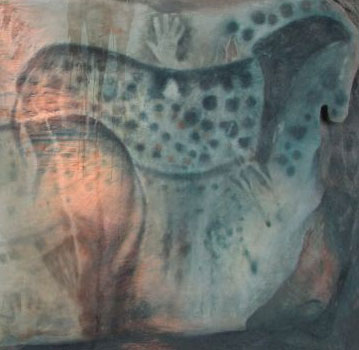
The Proceedings of the National Academy of Sciences magazine on November 7 published a 25,000-year-old painting of ancient black-spotted white horses.

The oldest paintings of the apostle Andrew and John of Jesus have just been discovered in the tomb of Rome.
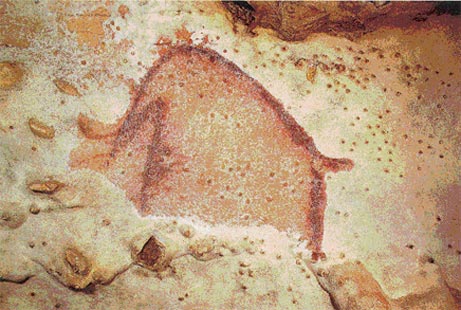
According to a new analysis of the Paleolithic caves in France, prehistoric people choose places with natural echoes to paint their famous cave sketches.
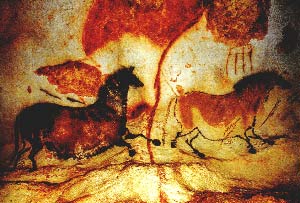
According to Dr. Helena Valladas and colleagues at the Weather and Environment Laboratory, CEA-CNRS Research Center (France), when conducting the analysis of the age of…

Ancient paintings discovered are believed to be the ancient star calendar of an estimated age of 40,000 years ago.

The dye found in cave paintings will be used to increase the heat barrier to the heat from the sun.
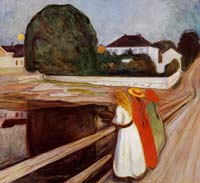
Is Edward Munch mindless when he forgets the moon's reflection in many of his paintings? No, he followed the optical rules.

The pigment-eating bacteria are one of the reasons for the devaluation of priceless paintings, but other bacteria can help us protect them.
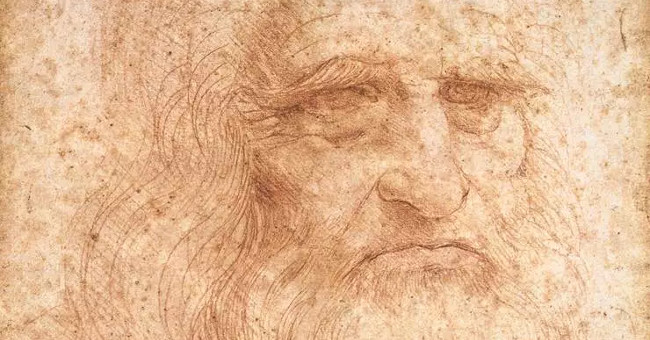
The reddish-brown spots appeared on Leonardo da Vinci's only self-portrait and intimidated portrait